Home » Products » Asphalt Mixing Plant » Mobile Asphalt Mixing Plants Are Becoming the Preferred Choice

Mobile Asphalt Mixing Plants Are Becoming the Preferred Choice

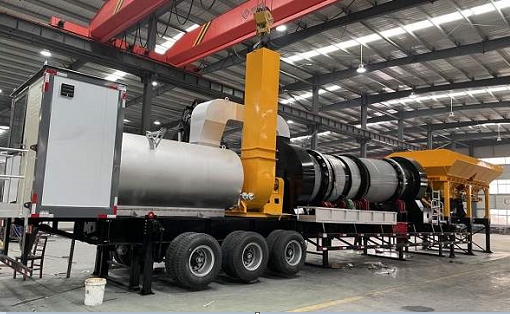
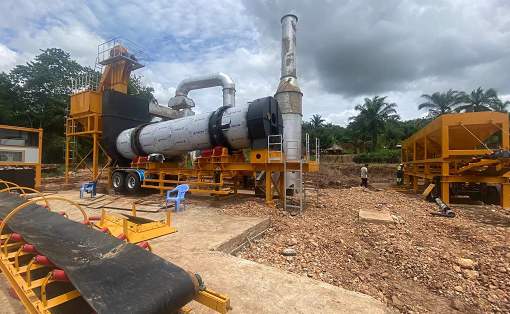
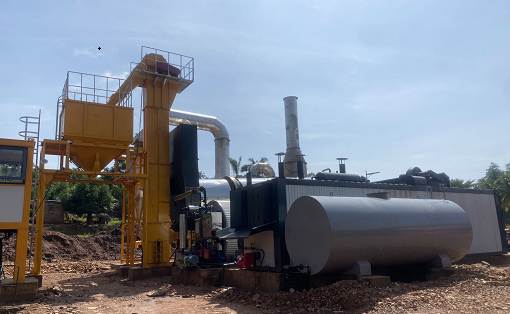
Mobile asphalt mixing plants are increasingly becoming the preferred choice for road construction and maintenance projects, especially suitable for projects with tight schedules or geographically dispersed locations.
Market Drivers: Why Demand Continues to Grow
The core factors driving the growth in demand for mobile asphalt mixing plants are as follows:
Expanding Global Road Networks: Governments are increasing infrastructure budgets, especially in developing regions.
Urbanization and Rural Connectivity Projects: Demand for asphalt roads is growing rapidly in secondary cities and rural areas.
Cost Control Pressures: Contractors are increasingly opting for solutions that reduce fuel, transportation, and labor costs.
Environmental Regulations: New policies are accelerating the promotion of low-emission and energy-efficient equipment.
Market Opportunities for Buyers and Investors
The market also presents significant opportunities, especially for forward-thinking contractors:
Emerging Markets (Asia, Africa): Infrastructure demand is growing by 6%–8% annually.
Recycled Asphalt Pavement (RAP): Can reduce raw material costs by 20%–40%.
Green Building Solutions: A growing preference for low-carbon asphalt production.
Flexible business model: Equipment leasing and customized configurations can reduce upfront investment pressure.
Rated 4.5/5 based on 529 customer reviews
Share:
Content

Mobile asphalt mixing plants are increasingly becoming the preferred choice for road construction and maintenance projects, especially suitable for projects with tight schedules or geographically dispersed locations.
Market Drivers: Why Demand Continues to Grow
The core factors driving the growth in demand for mobile asphalt mixing plants are as follows:
Expanding Global Road Networks: Governments are increasing infrastructure budgets, especially in developing regions.
Urbanization and Rural Connectivity Projects: Demand for asphalt roads is growing rapidly in secondary cities and rural areas.
Cost Control Pressures: Contractors are increasingly opting for solutions that reduce fuel, transportation, and labor costs.
Environmental Regulations: New policies are accelerating the promotion of low-emission and energy-efficient equipment.
Market Opportunities for Buyers and Investors
The market also presents significant opportunities, especially for forward-thinking contractors:
Emerging Markets (Asia, Africa): Infrastructure demand is growing by 6%–8% annually.
Recycled Asphalt Pavement (RAP): Can reduce raw material costs by 20%–40%.
Green Building Solutions: A growing preference for low-carbon asphalt production.
Flexible business model: Equipment leasing and customized configurations can reduce upfront investment pressure.
Inquiry


    More Asphalt Processing

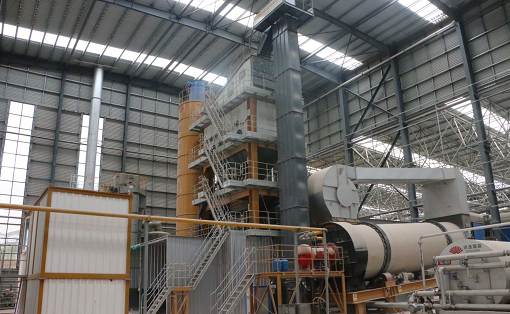
    In fact, don’t be misled by the name. The asphalt mixing plant we are talking about here does not necessarily refer to simple asphalt mixing, but may also refer to asphalt concrete mixing, so it is actually a mixing plant. At present, asphalt mixing plants generally use complete sets of equipment for mixing purposes. The benefits of using complete sets of equipment are as follows.
    1. Higher efficiency
    For the current industrial production, complete sets of equipment can help improve production efficiency and ensure production quality. This is why even in mixing plants, the equipment used is mainly complete sets of equipment.
    2. Ensure quality
    When mixing asphalt, a certain ratio will be set. For this type of asphalt liquid used in different occasions, its ratio control has strict requirements. Only by ensuring its mixing method and mixing time can the asphalt liquid be ensured to be used in the production site. One of the benefits of a mixing station is that the quality can be effectively controlled.
    3. Ability to perform random inspections
    After mixing at the mixing station, relevant quality inspection personnel can conduct random inspections to ensure that the mixed asphalt liquid meets the use requirements.
    In short, asphalt mixing plants use complete sets of equipment, mainly to facilitate the asphalt to meet production needs in the later stage. Using a mixing plant, it can better control the mixing time and the order of feeding, so as to ensure that the mixed products meet different usage requirements. And after using the archived equipment, effective sampling can also be carried out, which can better ensure that the quality meets the construction.

    With increasingly stringent environmental protection policies, asphalt mixing stations face severe challenges such as excessive dust and exhaust gas emissions. How to achieve standard production through efficient and environmentally friendly transformation while controlling costs? This article will reveal three core transformation plans to help mixing stations achieve a direct reduction of more than 80% in emissions, combining economy and compliance!
    1. Dust control: Upgrade pulse bag dust removal system
    Traditional dust removal equipment is difficult to cope with high humidity and high viscosity dust in asphalt stations, which can easily cause filter bags to compact. The transformation plan includes:
    Filter material upgrade: Use oil-proof and waterproof coated filter bags, which can withstand 240℃ high-temperature asphalt flue gas and extend the service life by 2 times.
    Intelligent cleaning: Equipped with a 0.5MPa high-pressure pulse backflush device, the cleaning frequency is automatically adjusted according to the pressure difference, and the dust capture efficiency exceeds 99%.
    Seal transformation: Install double-layer soft curtain seals on dust-raising points such as silos and conveyor belts to reduce unorganized emissions.
    Transformation effect: dust emission concentration dropped from 100mg/m3 to below 10mg/m3, which is better than the national standard.
    With increasingly stringent environmental protection policies, asphalt mixing plants face severe challenges such as excessive dust and exhaust gas emissions. How to achieve standard production through efficient and environmentally friendly transformation while controlling costs? This article will reveal three core transformation solutions to help mixing stations achieve a direct reduction of more than 80% in emissions, combining economy and compliance!

    For road construction machinery, the following is mainly about the asphalt mixer in road construction machinery equipment. Because it is the key product of Wuxi road construction machinery manufacturers, it is necessary to carry out comprehensive training and mastery, so as to ensure meticulousness and practicality, and not ignore any knowledge points.
    1. In road construction machinery, is there any difference between asphalt mixing equipment and asphalt concrete mixing equipment?
    The answer given by Sinoroader Group manufacturer to this question is no, that is, there is no difference between asphalt mixing equipment and asphalt concrete mixing equipment. They refer to the same type of equipment, but they are different in name. It can be said that they are two names for the same type of equipment, and there is no difference in essence.
    2. During the operation of the asphalt mixer, there is a sound in the mixing pot. What’s the matter?
    In the view of Sinoroader Group, there are two answers to this question. One is that the mixer arm on the asphalt mixer is not good or damaged. The second is that the wear-resistant lining in the mixer is damaged, which leads to this problem.
    3. What are the dust removal devices in the asphalt mixing equipment?
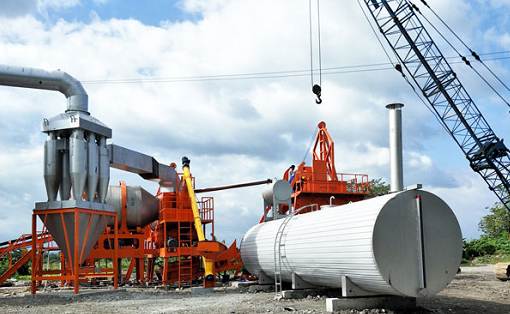
    In the asphalt mixing equipment, for its dust removal device, Sinoroader Group believes that the key is to use the dry ash removal method, because it can facilitate the collection of raw materials. In terms of its dust removal equipment type, there are filter dust removal equipment, centrifugal fan dust removal equipment and force dust removal equipment, etc., which can all be used well.
    For the asphalt mixer and asphalt mixing equipment in road construction machinery, I believe that through the practical discussion of the above relevant content, everyone can master it well and master it, so that in practice, they can have new gains and benefit a lot from it.

    To extend the service life of the dust collector bag in the asphalt mixing plant, maintenance can be carried out from the following aspects:
    Daily operation and maintenance
    Control operating parameters: strictly control the operating temperature, pressure and air volume of the dust collector to avoid excessively high or low temperature, excessive pressure fluctuations and air volume overload. Generally speaking, the operating temperature of the dust collector in the asphalt mixing plant should be controlled between 120℃-180℃.
    Regularly check the cleaning system: ensure the normal operation of the cleaning device, such as the pulse valve, cylinder and other components are fault-free, and the cleaning time and cycle are set reasonably. Regularly check the pressure of the pulse injection system to ensure that the injection pressure is between 0.4-0.6MPa to achieve the best cleaning effect.
    Timely deal with leakage problems: Regularly check the sealing of the dust collector, promptly discover and repair leakage points in pipes, flanges, inspection doors and other parts, and prevent dust-containing gas from short-circuiting and wearing the bags.
    Regular maintenance
    Check the appearance of the bag: Open the dust collector inspection door regularly to check whether the bag is damaged, deformed, blocked or stuck. If a small area of individual bags is found to be damaged, they can be repaired in time; if the damage is serious, new bags need to be replaced.
    Clean the surface of the bag: According to the blockage of the bag, compressed air can be used regularly for reverse blowing and cleaning, or special cleaning equipment can be used to clean the surface of the bag to remove dust.
    Replace wearing parts: Other wearing parts of the dust collector, such as the filter bag frame, venturi, etc., should also be checked and replaced regularly to ensure the overall performance of the dust collector.
    Storage and installation
    Proper storage: Unused bags should be stored in a dry and ventilated environment to avoid moisture, rain and direct sunlight to prevent aging of the bag material.
    Standard installation: When installing the bag, be careful to avoid contact between the bag and sharp objects to prevent scratches. At the same time, ensure that the bag is firmly installed and well sealed with the flower plate hole to prevent the bag from being worn or falling off due to looseness.

    Emulsified asphalt equipment plays an important role in road construction, and its production quality will directly affect the quality of facilities such as roads. In order to operate it better, we need to pay special attention to the following four points when applying emulsified asphalt equipment:
    1. Before spraying, the emulsified asphalt equipment must check whether the position of each valve is correct. The hot asphalt added to the emulsified asphalt equipment must reach an operating temperature of 160~180℃. For long-distance transportation or long working time, a heating device can be used for insulation, but it cannot be used as an oil melting furnace.
    2. When the asphalt in the emulsified asphalt equipment is heated by a burner, the asphalt height must exceed the upper plane of the combustion chamber, otherwise the combustion chamber will be burned.
    3. The emulsified asphalt equipment cannot be filled too full, and the fuel filler cap must be closed tightly to prevent asphalt from overflowing during transportation.
    4. This vehicle has two front and rear control consoles. When using the front control console, the switch must be turned to the front control. At this time, the rear control console can only control the lifting and lowering of the nozzle.
    I believe that through the above description, everyone will be more comfortable when using emulsified asphalt equipment in the future. As for the relevant operating matters of the equipment, I will introduce them to you here today. If you want to know more information, please pay attention to the next explanation.

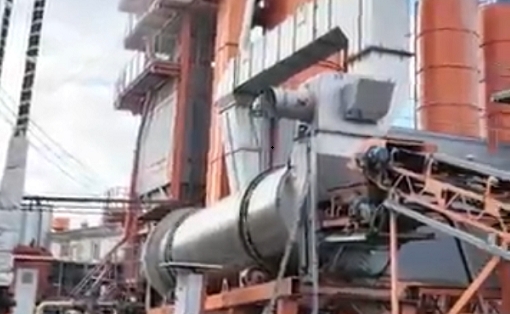
    The actual operation steps of drying drum of asphalt mixing equipment: 1. Pay attention to routine inspection; 2. Proper operation steps; 3. Effective maintenance.
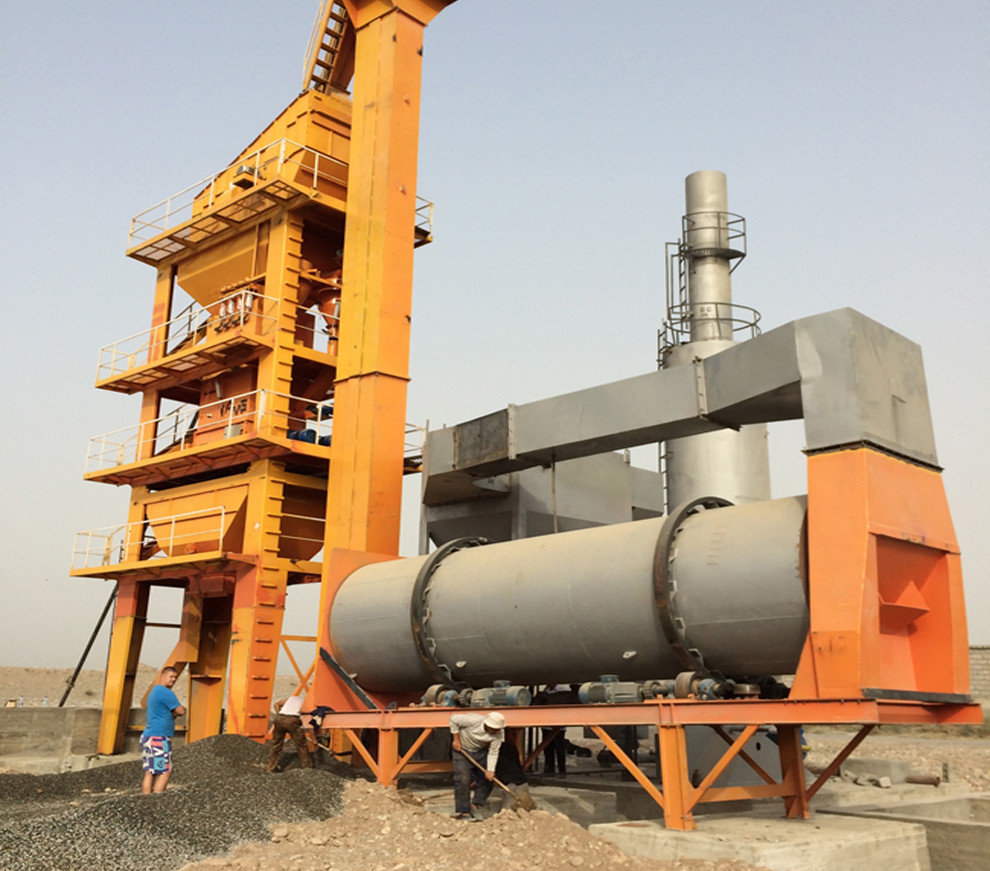
    Drying drum is a cylindrical device specially used for heating and drying stones in asphalt mixing equipment. Proper application and maintenance of drying drum can maximize the performance of drying drum, increase its service life and reduce application cost. Let’s take a look at the actual operation steps below.
    1. Pay attention to routine inspections
    The asphalt mixing equipment drying drum has been tested and inspected before leaving the factory, but it will be subjected to vibration and vibration during transportation to the construction site. A comprehensive inspection should be carried out before use: check whether all anchor bolts are tightened; whether all key pins are properly driven; whether all drive devices are adjusted according to the manufacturer’s instructions; whether all pipe connections are appropriate and whether the three-way joints are reliable; whether the entire equipment is fully lubricated; start the motor and check whether all parts can rotate steadily in the correct rotation direction; whether the pressure gauge can work normally and whether the valve is adjusted to the correct working pressure; whether the burner ignition mechanism is available and whether the gate valve is open.
    2. Correct operation steps
    After the equipment is started, it is recommended to control the machine manually at the beginning, and then switch to the automatic control mode after achieving the required production volume and pouring temperature. The stone should be dried and have a stable moisture content as much as possible so that the stone can maintain a stable final temperature when passing through the drying drum. If the stones delivered to the drying drum change frequently and the moisture content changes each time, the burner should be adjusted frequently to compensate for these changes.
    The stones directly from the crushed stone have a relatively constant moisture content, while the stones from the outdoor storage yard have a higher moisture content, and the moisture content of different piles varies greatly. Therefore, it is best for the stones to come from the same source.

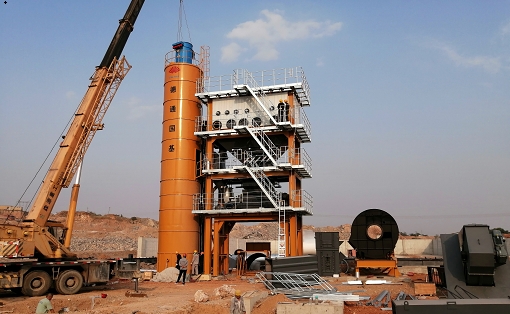
    Asphalt concrete, as the name implies, is a composite material formed by combining asphalt and concrete. Its main components usually include three categories, aggregate, filler and asphalt. Aggregate, as the basic skeleton of asphalt concrete, is mainly composed of crushed stones of different sizes. These crushed stones are carefully selected and proportioned to ensure the strength and stability of asphalt concrete. Filler usually refers to fine-grained materials such as stone powder, which are filled between crushed stones to increase density and improve overall strength. Asphalt is a binder that can tightly bond aggregate and filler together to form a solid whole. In the process of producing asphalt concrete, the proportion of various raw materials will be adjusted according to different formulas. These formulas are usually formulated according to the specific requirements of the road and the use environment to ensure that asphalt concrete can meet various complex road conditions. The place where this composite material is produced is a special asphalt mixing plant. This is an asphalt concrete mixing plant. The large trucks that we see every day to transport asphalt concrete come out from here. In the asphalt mixing plant, the entire production process is finely divided into multiple steps.
    First, workers use loaders to deliver aggregates into cold silos. Cold silos are usually divided into several different chambers according to the size of aggregate particles, and each chamber corresponds to aggregates of different specifications. In this way, in the subsequent mixing process, the proportion of various aggregates can be accurately adjusted according to customer needs.
    Next, these aggregates will be sent to the drying drum through a vibrating feeder and a belt conveyor. In the drying drum, the aggregates will be heated to a specified temperature by the high-temperature heat source provided by the burner. During this process, the spiral blades and sheep feed plates inside the drum will ensure that the aggregates are fully heated during rotation and remove the moisture in them. In this way, not only can the bonding strength between aggregates and asphalt be improved, but also the stability and durability of asphalt concrete after paving can be ensured.