Home » Products » Asphalt Mixing Plant » The brief introduction about mobile continuous asphalt mixing plants

The brief introduction about mobile continuous asphalt mixing plants

Technically, this type of equipment has three core advantages:
1. High efficiency and energy saving: Continuous operation mode reduces energy loss during equipment start-up and shutdown. Combined with a waste heat recovery system, overall energy consumption is reduced by 20%-30% compared to intermittent equipment. For example, the “dual-drum counter-current heating technology” developed by Wucheng County Luhong Road Construction Machinery Co., Ltd. further reduces fuel consumption by 15% by optimizing heat exchange efficiency.
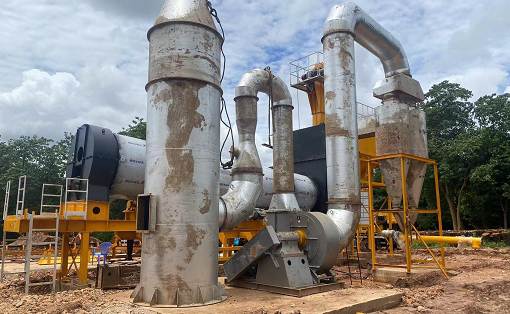
2. Outstanding environmental performance: The equipment is equipped with a pulse bag dust collector and an asphalt fume treatment device, with dust emission concentration below 10mg/m³, far below national standards. At the same time, its closed mixing system effectively reduces asphalt fume overflow, improving the construction environment.
3. Intelligent Control: Through IoT technology, equipment can upload production data to a cloud platform in real time, allowing users to remotely monitor equipment status and adjust production parameters via mobile phone or computer. For example, Henan Sinoroader Heavy Industry Corporation’s intelligent control system supports functions such as fault warning and production record traceability, significantly reducing operation and maintenance costs.
Rated 4.6/5 based on 599 customer reviews
Share:
Content

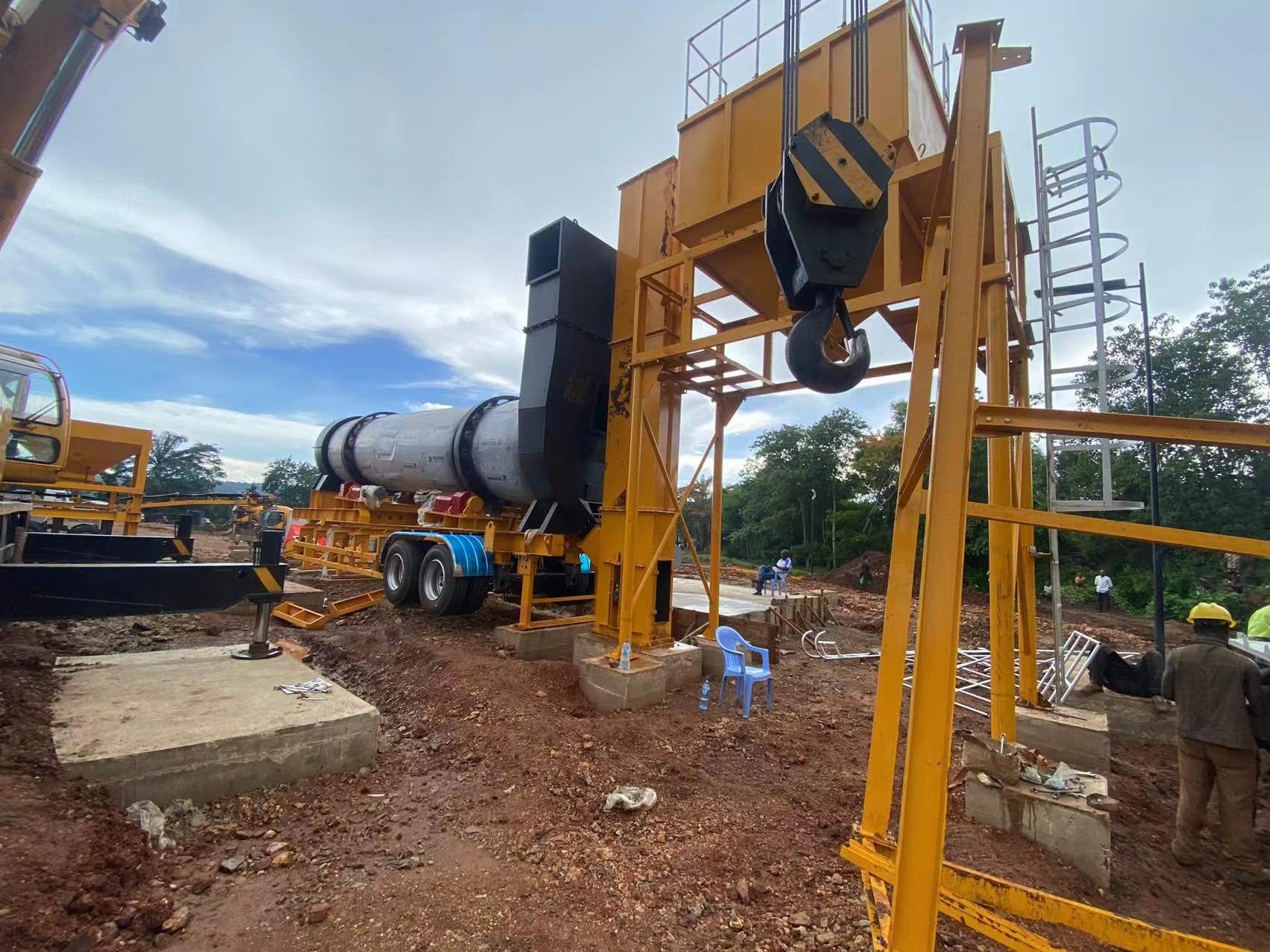
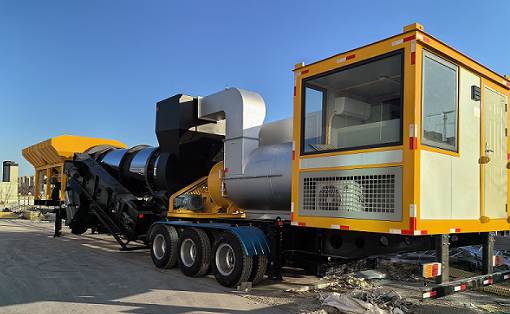
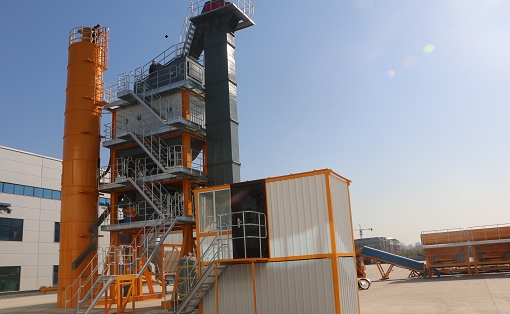
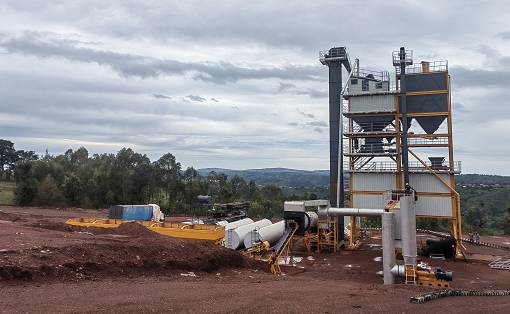
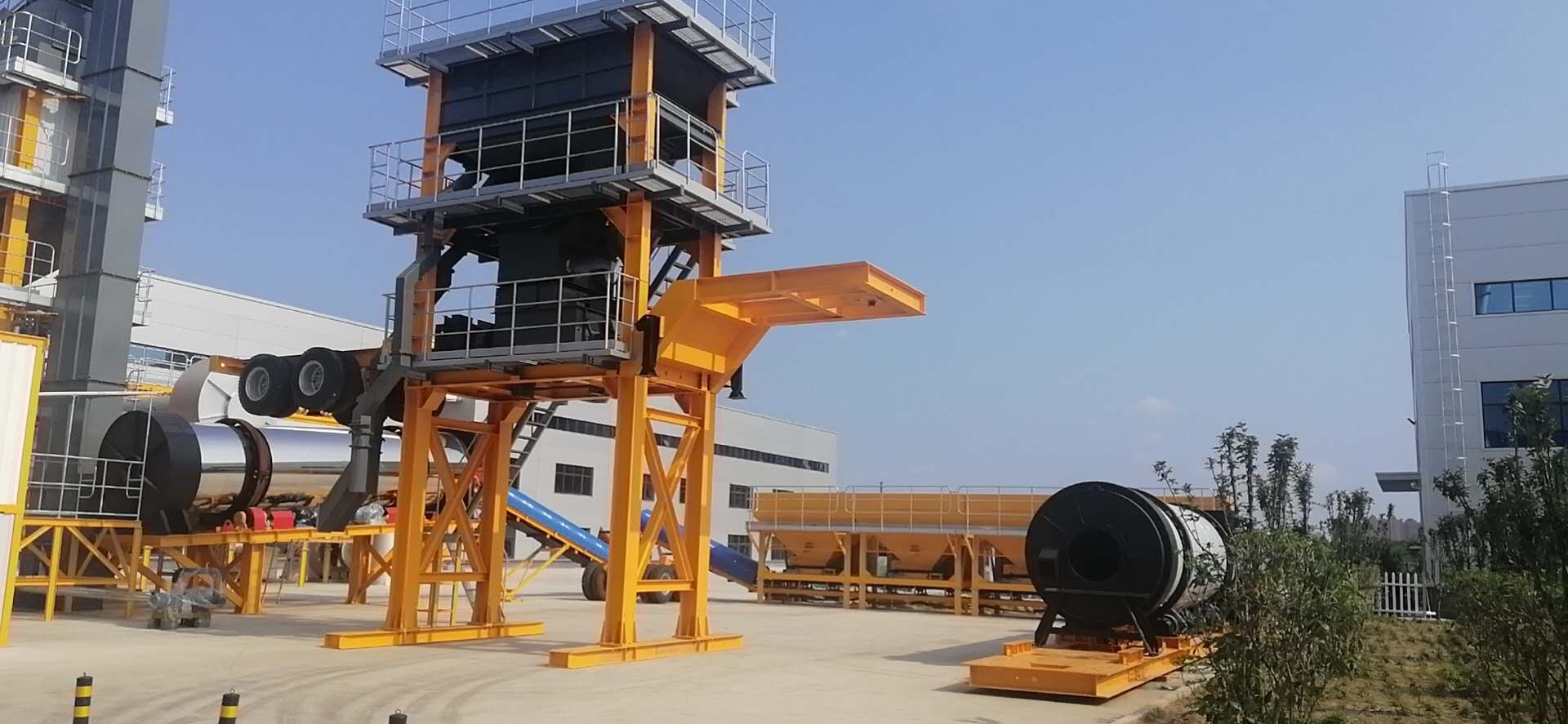
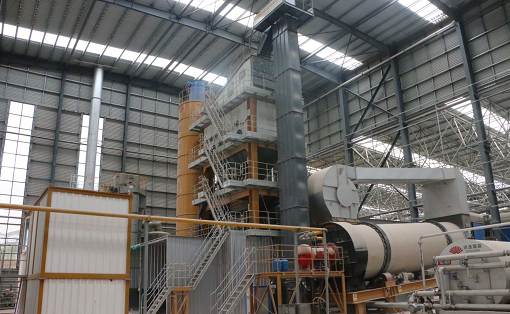
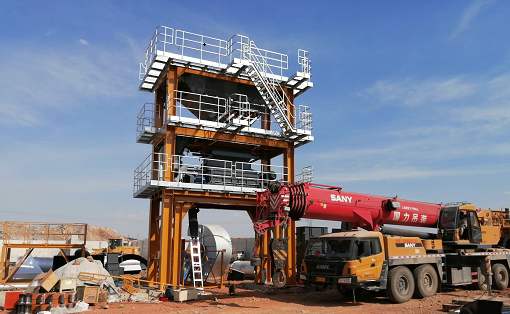
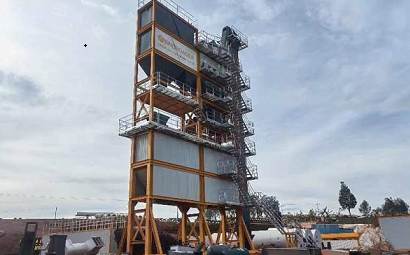
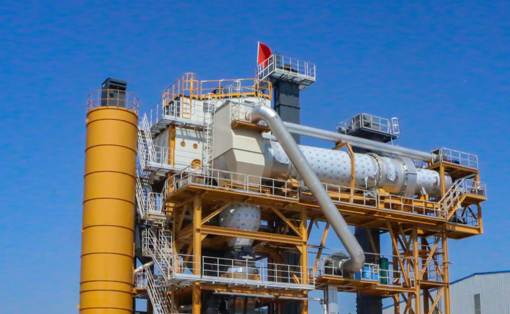
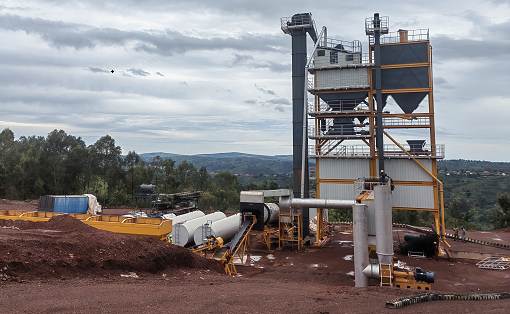
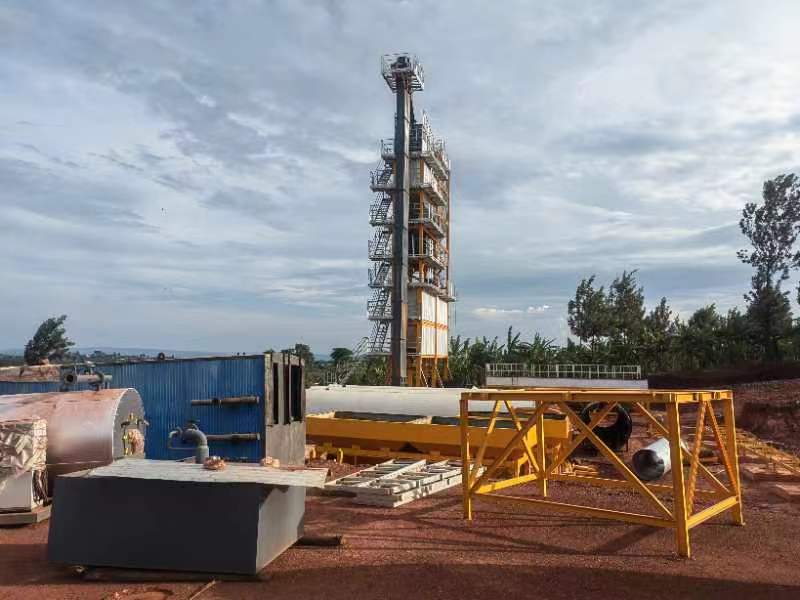
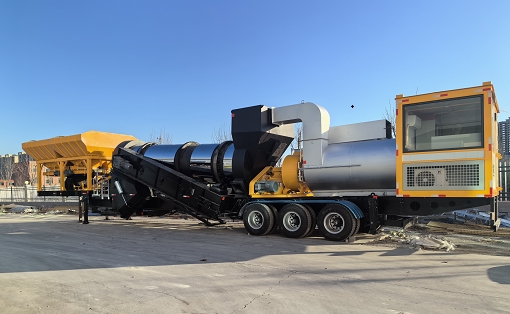
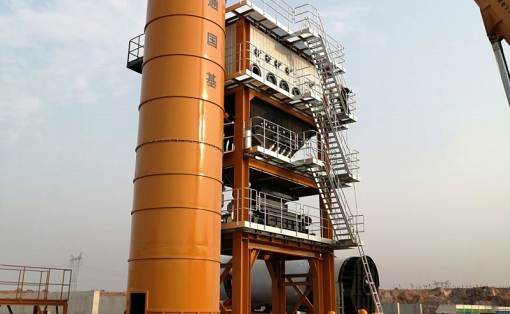
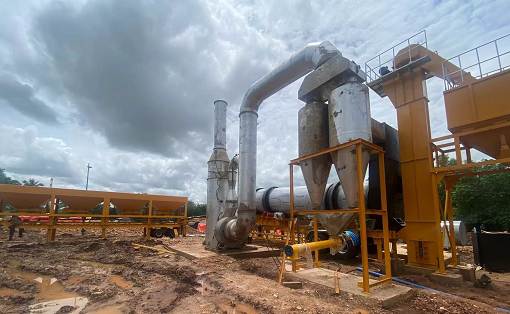
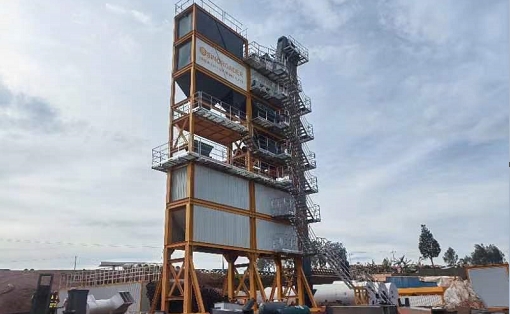
Mobile continuous asphalt mixing plant is an integrated equipment that combines material conveying, heating, mixing, and discharging. Its core features are “continuous operation” and “mobile deployment.” Compared to traditional intermittent equipment, it uses dual- or triple-drum continuous heating technology to achieve simultaneous metering and mixing of aggregates, asphalt, and mineral powder, eliminating the need for frequent start-ups and shutdowns and increasing production efficiency by over 30%. Simultaneously, the equipment adopts a modular design, allowing for rapid disassembly and transport to different construction sites, making it particularly suitable for mountain roads, emergency repairs, and construction in remote areas.
From a technical perspective, its workflow consists of four stages: aggregates are conveyed to a drying drum for heating and drying; the heated aggregates enter a vibrating screening system for grading by particle size; qualified aggregates are continuously mixed with asphalt and mineral powder in the mixing drum; and the final product is directly transported to a transport vehicle through the discharge port. The entire process is automated through a PLC control system, allowing for real-time adjustment of parameters such as temperature and mix proportions to ensure stable asphalt mixture quality.
Mobile continuous asphalt mixing plants are used in various fields, including highway maintenance, municipal engineering, and airport construction. For example, in highway maintenance, the equipment can be quickly deployed to damaged road sections, enabling “construction while maintaining traffic flow” and reducing traffic interruption time; in mountain road construction, its mobility avoids the cost of repeated equipment transportation and adapts to complex terrain; in emergency repair scenarios, the equipment can restore road traffic capacity in a short time, ensuring unimpeded rescue channels.
Technically, this type of equipment has three core advantages:
1. High efficiency and energy saving: Continuous operation mode reduces energy loss during equipment start-up and shutdown. Combined with a waste heat recovery system, overall energy consumption is reduced by 20%-30% compared to intermittent equipment. For example, the “dual-drum counter-current heating technology” developed by Wucheng County Luhong Road Construction Machinery Co., Ltd. further reduces fuel consumption by 15% by optimizing heat exchange efficiency.
2. Outstanding environmental performance: The equipment is equipped with a pulse bag dust collector and an asphalt fume treatment device, with dust emission concentration below 10mg/m³, far below national standards. At the same time, its closed mixing system effectively reduces asphalt fume overflow, improving the construction environment.
3. Intelligent Control: Through IoT technology, equipment can upload production data to a cloud platform in real time, allowing users to remotely monitor equipment status and adjust production parameters via mobile phone or computer. For example, Henan Sinoroader Heavy Industry Corporation’s intelligent control system supports functions such as fault warning and production record traceability, significantly reducing operation and maintenance costs.
Inquiry


    More Asphalt Processing

    1. Environmental Requirements
    Asphalt mixing plant construction must consider environmental factors to minimize environmental pollution. According to relevant laws and regulations, asphalt mixing plants must undergo site selection assessments to avoid construction in sensitive areas such as residential areas and water source protection zones. Furthermore, asphalt mixing plants must implement effective environmental protection measures, such as installing dust removal equipment and recycling and treating exhaust gases, to minimize environmental impact.
    2. Technical Requirements
    Asphalt mixing plant construction must strictly adhere to relevant national technical standards and specifications. These primarily cover production capacity, raw material selection, equipment requirements, and process flow. Construction companies must select and install equipment in accordance with national standards to ensure the production capacity and quality of the asphalt mixing plant.
    3. Safety Requirements
    Asphalt mixing plant construction requires safety considerations to ensure safe operation. Construction companies must implement scientific designs based on process flow and equipment requirements to minimize the possibility of accidents. Professional maintenance engineers must be deployed during operation to ensure safe equipment operation. Construction companies must also conduct necessary safety training to enhance employee safety awareness. IV. Asphalt Mixing Plant Operation and Maintenance
    Asphalt mixing plant operations must strictly adhere to relevant national standards and regulations to ensure production quality and safety. Furthermore, a professional maintenance team is required to regularly inspect and maintain the equipment to ensure proper operation. Damaged or malfunctioning equipment must be promptly repaired or replaced to avoid disrupting production.
    [Conclusion]
    Asphalt mixing plants, as crucial supporting equipment for construction sites, have extremely high construction requirements and standards. Environmental, technical, and safety considerations must be taken into account during construction to ensure the plant’s production capacity and quality. Furthermore, the operation and maintenance of asphalt mixing plants must adhere to national standards and regulations to ensure proper equipment operation and production quality.

    The additives in the production process of emulsified asphalt equipment can be divided into accelerators and retarders. In addition, the temperature and viscosity at that time need to be correctly controlled during production. How much do you know about this information? Let’s take a closer look:
    The viscosity of asphalt decreases with the increase of temperature during the production of emulsified asphalt equipment. For every 12°C increase, its dynamic viscosity decreases by about one time. During production, the base asphalt should be heated to liquid state before emulsification. In addition, in order to adapt to the emulsification capacity of the colloid mill, the dynamic viscosity of the base asphalt is generally controlled to be about 200cst. The lower the temperature, the higher the viscosity, which increases the burden on the asphalt pump and the colloid mill, making it difficult to emulsify; but on the other hand, in order to prevent the demulsification caused by excessive vaporization and evaporation of water in the finished product during the production of emulsified asphalt, it is impossible to heat the base asphalt temperature too high. Generally, the finished product temperature at the outlet of the colloid mill should be controlled to be less than 85°C.
    These are the main ways to control the temperature and viscosity of emulsified asphalt equipment during production. We must operate reasonably according to the instructions so that its performance can be fully demonstrated. If you have any questions, please feel free to consult us in time. We will continue to organize more information about emulsified asphalt equipment for you.

    Asphalt mixing stations, also known as asphalt concrete mixing stations, can produce asphalt mixtures, modified asphalt mixtures, and colored asphalt mixtures, which fully meet the needs of building highways, grade roads, municipal roads, airports, ports, etc. Changmeng Electric Power introduces the safety operating procedures of asphalt mixing plants below:
    1. During the operation of the mixing equipment, in addition to ensuring that the equipment is in good condition, it should also be equipped with a mineral moisture content detector and a finished material tester, and the relevant data should be frequently tested for the operator to adjust the operation in time to keep the equipment in good condition.
    2. In addition to affecting production capacity, the moisture content of mineral materials is also the main factor determining fuel consumption. Additional material sheds should be added.
    3. Before operation, all working parts and devices of the mixing equipment should be fully checked to see if they are intact and normal. If there are any problems, they must be properly handled before operation, and it is forbidden to operate with illness.
    4. The operation must be carried out strictly in accordance with the procedures and precautions specified in the instruction manual. After normal ignition, the dust collector should be monitored to ensure that the drying drum burns under negative pressure; after production starts, the hot material elevator and agitator should be monitored to see if they are working normally to coordinate the operation of other parts.

    In highway construction, asphalt mixing station plays a vital role. As a kind of equipment integrating intelligence, high efficiency and environmental protection, asphalt mixing station provides strong support for improving the quality of highway construction. This article will introduce the relevant knowledge of asphalt mixing station in detail to help readers understand this key equipment.
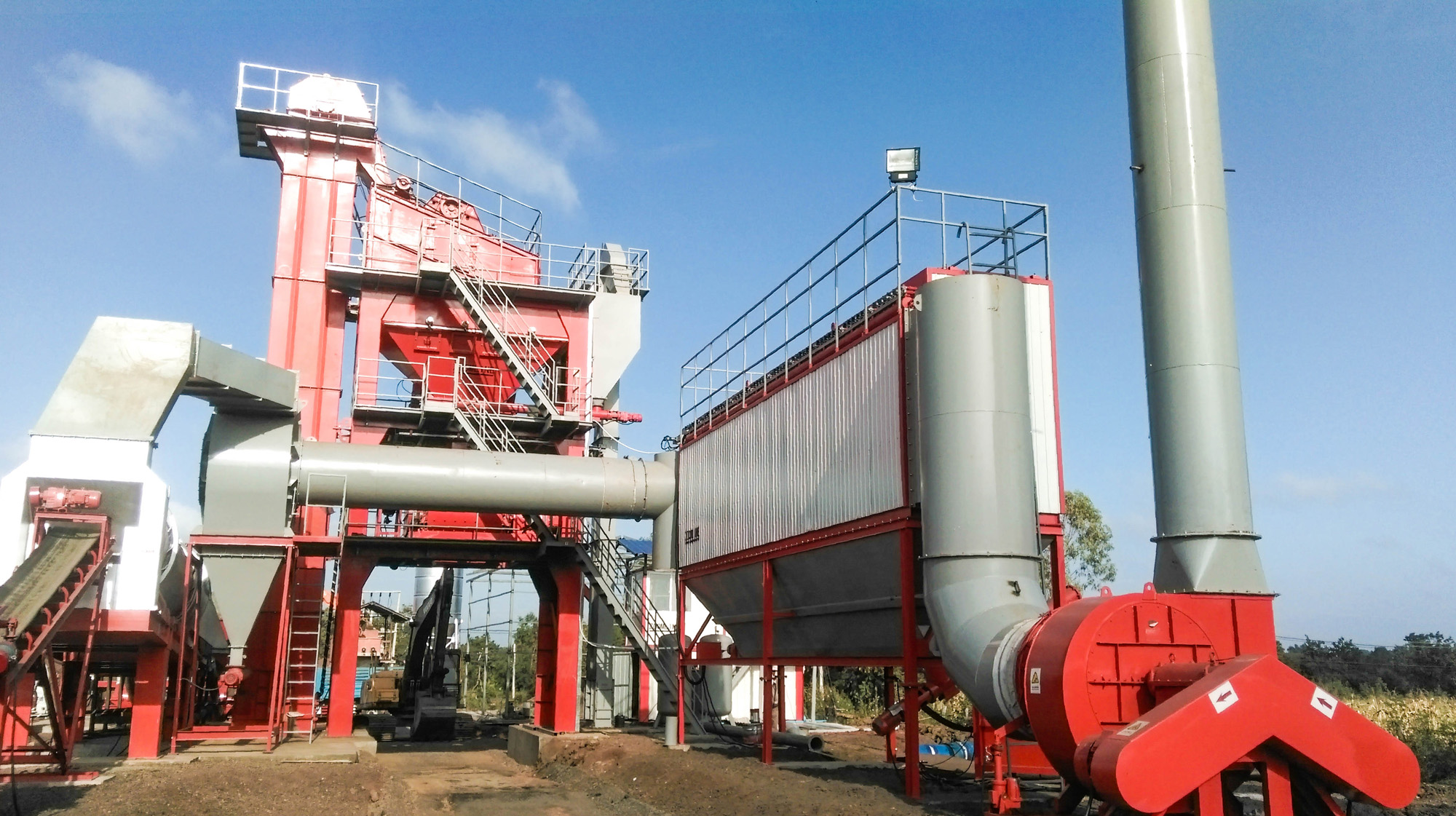
    Asphalt mixing station is a kind of equipment specially used for producing asphalt concrete, which is widely used in highway, municipal road, bridge and other engineering construction. Asphalt concrete is a kind of building material mixed with asphalt, gravel, sand and other materials. It has the characteristics of strong durability and good compressive resistance. It is an ideal material for highway construction.
    2. Features
    Intelligence: Asphalt mixing station is equipped with advanced control system and sensor, which can realize automatic production, reduce manpower input and improve production efficiency.
    Environmental protection: Asphalt mixing station adopts closed design to reduce dust pollution, and is equipped with noise reduction facilities to reduce noise pollution.
    Efficiency: Asphalt mixing station has high production capacity and can produce a large amount of asphalt concrete in a short time to meet the needs of engineering construction.
    3. Function
    Provide asphalt concrete: The main function of asphalt mixing station is to produce asphalt concrete and provide necessary building materials for highway construction.
    Improve highway quality: By using asphalt concrete, the smoothness, compressive strength and durability of the highway can be improved, thereby improving the quality of the highway.

    I. Cold Aggregate Drum: The “Granary” of Asphalt Mixing
    Imagine an asphalt mixing plant as a super kitchen, and the cold aggregate drum is that enormous “granary.” Its main task is to store and pre-process various cold aggregates—such as crushed stone and gravel. These cold aggregates are fed into the drum via conveyor belt, undergoing preliminary screening and weighing to ensure the perfect proportion of each aggregate. Just as a chef needs to precisely weigh each ingredient, the cold aggregate drum is the silent “weighing master,” laying a solid foundation for the subsequent mixing process.
    II. Drying Drum: The “Heating Furnace” of Asphalt Mixing
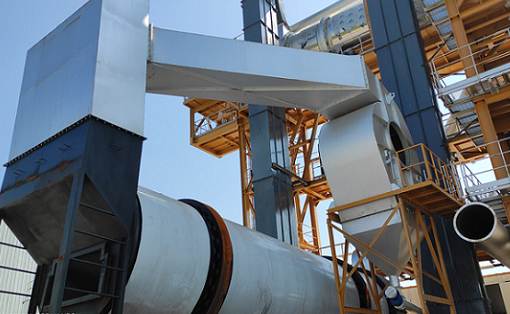
    Next, the drying drum takes center stage. This drum acts like a giant “heating furnace,” responsible for heating the cold aggregates to a suitable mixing temperature. After entering the drying drum, the cold aggregates come into full contact with the high-temperature air generated by the burner, rapidly evaporating moisture and gradually increasing the aggregate temperature. This process is similar to heating the pan before adding ingredients for stir-frying. The precise temperature control of the drying drum ensures that the aggregate reaches the ideal temperature before entering the mixing stage, creating conditions for a perfect bond between asphalt and aggregate.
    III. Mixing Drum: The “Magic Pot” of Asphalt Mixing
    Finally, we arrive at the most crucial component—the mixing drum, the “magic pot” of the asphalt mixing plant. Here, heated aggregate is thoroughly mixed with asphalt, mineral powder, and other additives to form a homogeneous asphalt mixture. The mixing drum is equipped with special mixing blades that, like a magician’s hands, constantly tumble and stir the mixture, ensuring that every grain of aggregate is evenly coated with asphalt. This process is like mixing a perfect cocktail; precise proportions and thorough mixing are required to achieve the best taste and effect. And the mixing drum is the “magic pot” that creates this “perfect taste.”

    The asphalt mixing equipment mentioned here may also refer to an asphalt concrete mixing plant. At present, asphalt mixing equipment generally uses a complete set of equipment for mixing. So what are the benefits of using a complete set of equipment?
    1. More effective.
    In today’s industrial production, a complete set of asphalt mixing equipment can help improve production efficiency and ensure product quality. This is why even in a mixing plant, the equipment used is a complete set of equipment.
    2. Ensure quality.
    When mixing asphalt, a certain ratio is set. For this type of asphalt liquid used in different occasions, its ratio control has strict requirements. It is necessary to determine its mixing method and mixing time to ensure that the asphalt liquid is consistent with the production site. One of the advantages of a mixing plant is that the quality can be effectively controlled.
    3. It can be sampled.
    After mixing at the mixing plant, the quality inspector can sample and inspect to ensure that the mixed asphalt liquid meets the use requirements.
    In short, asphalt mixing equipment will use a complete set of equipment, mainly to facilitate the later asphalt to meet production needs. Through the mixing plant, the mixing time and feeding sequence can be better controlled, so that the mixed product can meet different use requirements. And after using the archiving equipment, effective spot checks can be carried out, which can better ensure that the quality meets the construction requirements.

    To extend the service life of the dust collector bag in the asphalt mixing plant, maintenance can be carried out from the following aspects:
    Daily operation and maintenance
    Control operating parameters: strictly control the operating temperature, pressure and air volume of the dust collector to avoid excessively high or low temperature, excessive pressure fluctuations and air volume overload. Generally speaking, the operating temperature of the dust collector in the asphalt mixing plant should be controlled between 120℃-180℃.
    Regularly check the cleaning system: ensure the normal operation of the cleaning device, such as the pulse valve, cylinder and other components are fault-free, and the cleaning time and cycle are set reasonably. Regularly check the pressure of the pulse injection system to ensure that the injection pressure is between 0.4-0.6MPa to achieve the best cleaning effect.
    Timely deal with leakage problems: Regularly check the sealing of the dust collector, promptly discover and repair leakage points in pipes, flanges, inspection doors and other parts, and prevent dust-containing gas from short-circuiting and wearing the bags.
    Regular maintenance
    Check the appearance of the bag: Open the dust collector inspection door regularly to check whether the bag is damaged, deformed, blocked or stuck. If a small area of individual bags is found to be damaged, they can be repaired in time; if the damage is serious, new bags need to be replaced.
    Clean the surface of the bag: According to the blockage of the bag, compressed air can be used regularly for reverse blowing and cleaning, or special cleaning equipment can be used to clean the surface of the bag to remove dust.
    Replace wearing parts: Other wearing parts of the dust collector, such as the filter bag frame, venturi, etc., should also be checked and replaced regularly to ensure the overall performance of the dust collector.
    Storage and installation
    Proper storage: Unused bags should be stored in a dry and ventilated environment to avoid moisture, rain and direct sunlight to prevent aging of the bag material.
    Standard installation: When installing the bag, be careful to avoid contact between the bag and sharp objects to prevent scratches. At the same time, ensure that the bag is firmly installed and well sealed with the flower plate hole to prevent the bag from being worn or falling off due to looseness.