Home » Products » Asphalt Mixing Plant » The Differences Between Continuous & Batch Mix Asphalt Plant

The Differences Between Continuous & Batch Mix Asphalt Plant

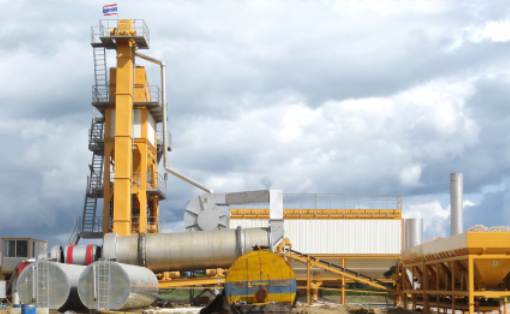
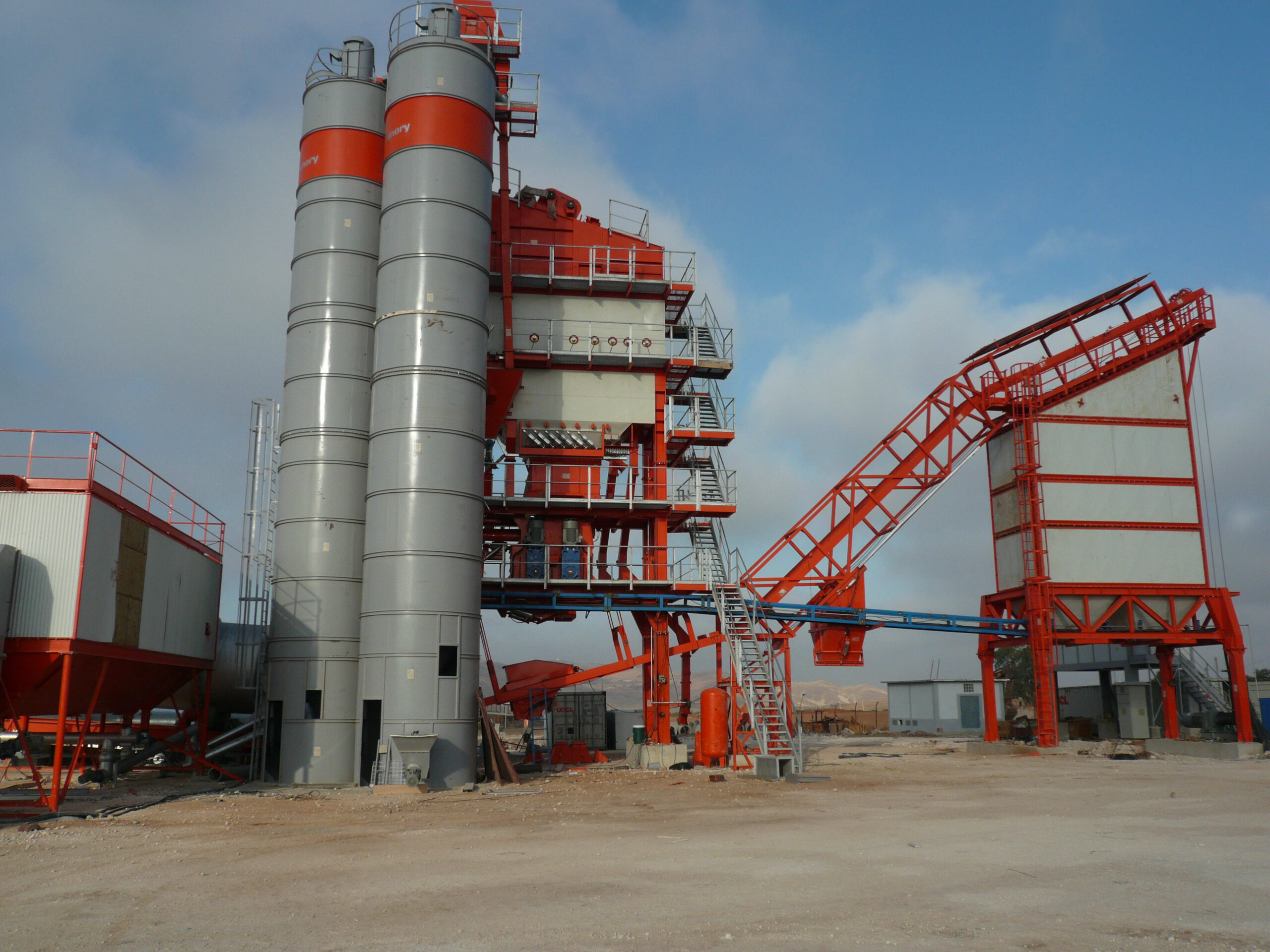
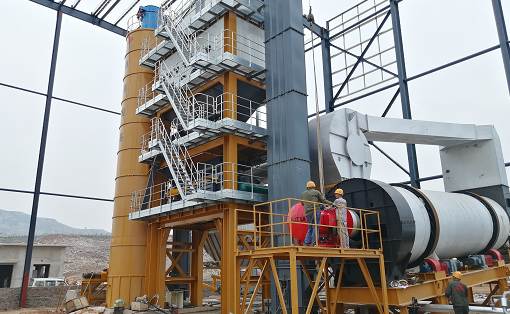
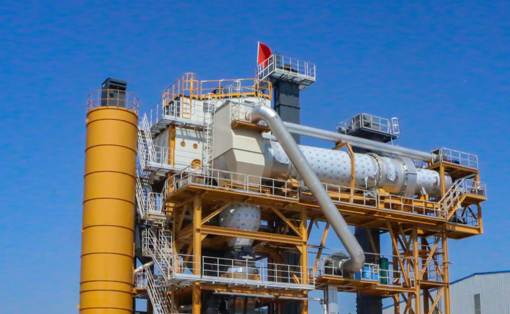
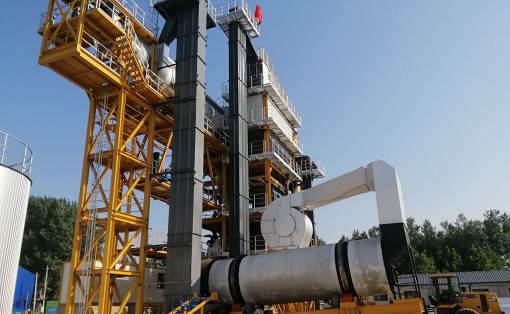
Continuous mix asphalt plant
It adopts forced mixer while has advantages of drum mix asphalt plant. Since there’s independent mixer, it is workable to equip filler supply system for adding in necessary filler or other additive agent according to user’s requirements. It is featured as strong adaptability, simple structure and high cost-effective.
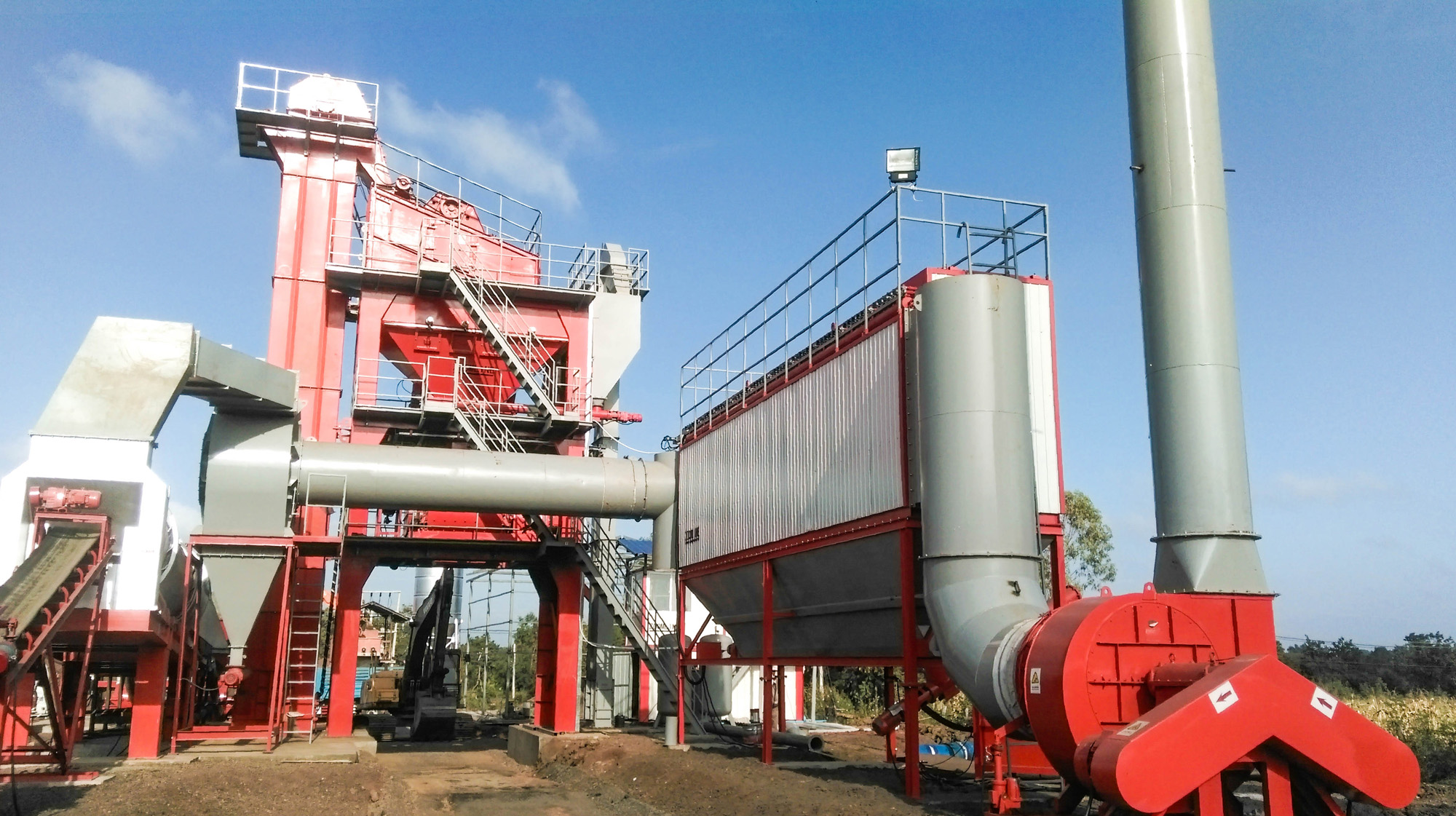
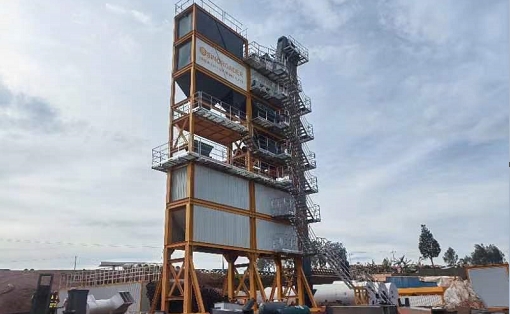
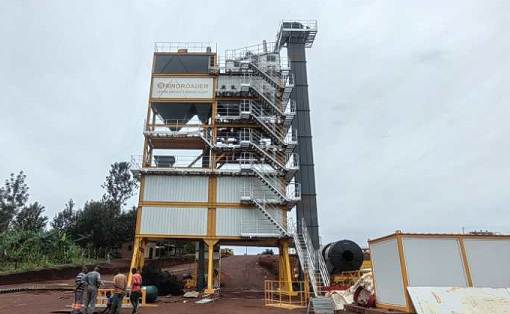
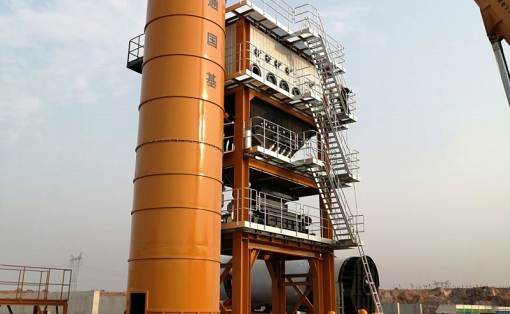
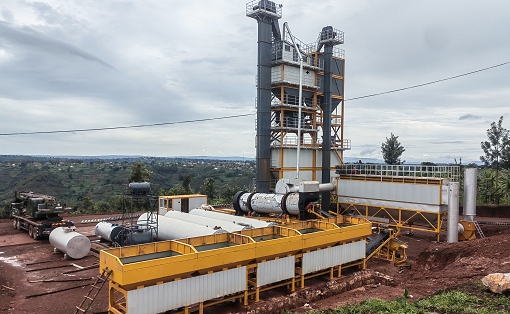
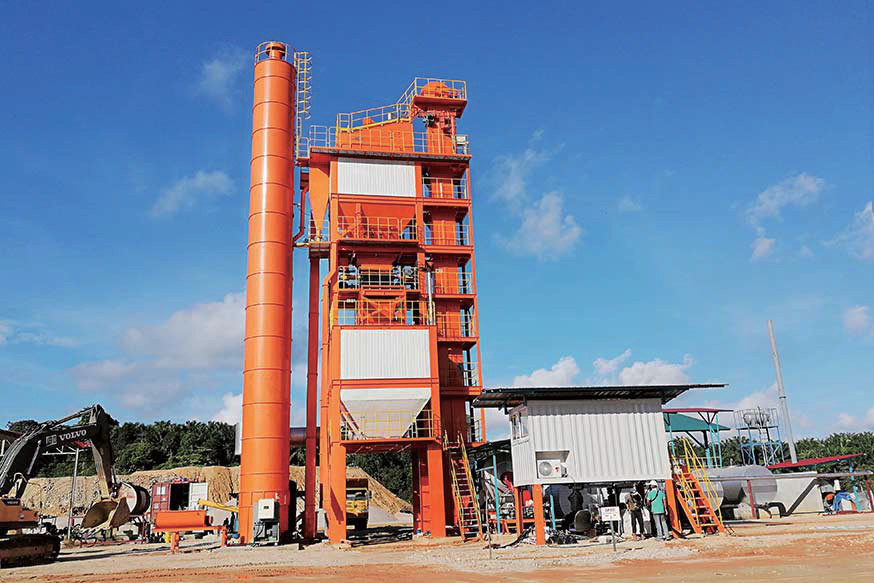
Batch mix asphalt plant
Aggregate and asphalt are all weighed by static metering, with high metering accuracy. Similarly, it also has independent mixer, which is capable to add in various filler or other additive agent.

Rated 4.9/5 based on 402 customer reviews
Share:
Content

Continuous mix asphalt plant
It adopts forced mixer while has advantages of drum mix asphalt plant. Since there’s independent mixer, it is workable to equip filler supply system for adding in necessary filler or other additive agent according to user’s requirements. It is featured as strong adaptability, simple structure and high cost-effective.
Batch mix asphalt plant
Aggregate and asphalt are all weighed by static metering, with high metering accuracy. Similarly, it also has independent mixer, which is capable to add in various filler or other additive agent.
Main differences
1.Mixer structure
Continuous mix asphalt plant feeds materials into mixer from front end, mixes continuously and then discharge from back end. Batch mix asphalt plant feeds materials into mixer from top, and discharge from bottom after being mixed homogenously.
2.Metering method
The asphalt, aggregate, filler and other additive agent used in continuous mix asphalt plant are all weighed by dynamic metering, while these materials used in batch mix asphalt plant are all weighed by static metering.
3.Production mode
The production mode of continuous mix asphalt plant is continuous feed and continuous output, while mode of batch mix asphalt plant is one tank per batch, periodic feed and periodic output.

Inquiry


    More Asphalt Processing

    The additives in the production process of emulsified asphalt equipment can be divided into accelerators and retarders. In addition, the temperature and viscosity at that time need to be correctly controlled during production. How much do you know about this information? Let’s take a closer look:
    The viscosity of asphalt decreases with the increase of temperature during the production of emulsified asphalt equipment. For every 12°C increase, its dynamic viscosity decreases by about one time. During production, the base asphalt should be heated to liquid state before emulsification. In addition, in order to adapt to the emulsification capacity of the colloid mill, the dynamic viscosity of the base asphalt is generally controlled to be about 200cst. The lower the temperature, the higher the viscosity, which increases the burden on the asphalt pump and the colloid mill, making it difficult to emulsify; but on the other hand, in order to prevent the demulsification caused by excessive vaporization and evaporation of water in the finished product during the production of emulsified asphalt, it is impossible to heat the base asphalt temperature too high. Generally, the finished product temperature at the outlet of the colloid mill should be controlled to be less than 85°C.
    These are the main ways to control the temperature and viscosity of emulsified asphalt equipment during production. We must operate reasonably according to the instructions so that its performance can be fully demonstrated. If you have any questions, please feel free to consult us in time. We will continue to organize more information about emulsified asphalt equipment for you.

    In our daily lives and work, many equipment malfunctions not due to inherent quality issues, but rather due to improper use or lack of proper maintenance. Maintenance is a crucial aspect often overlooked. Sometimes, proper maintenance can at least double the lifespan of equipment. Below, we introduce some maintenance techniques for asphalt mixing plants, hoping to be helpful to our workers!
    1. Promptly Clean Up Residue and Waste After Operation
    Often, after using an asphalt mixing plant, workers simply turn off the power and turn it back on for the next use. This practice poses a significant risk: residue and waste will accumulate inside after operation, eventually damaging the equipment.
    2. Pay Attention to Lubrication of Tracks and Rolling Shafts
    Sometimes, asphalt mixing plants will make a “creaking” sound during operation. This indicates that the tracks and rolling shafts need lubrication. Regularly add lubricant to ensure smoother operation.
    3. Regularly Replace Wear-Prone Parts
    All industrial equipment has wear-prone parts. Regular replacement is essential to prevent damage to the entire system. Workers can easily check these parts while cleaning up residue; it’s a quick and convenient process that extends the lifespan of the asphalt mixing plant.
    These may seem like small things, but they are crucial for asphalt mixing plants. Treat the equipment like you would your own child to ensure it operates smoothly and efficiently.
    For asphalt mixing plants, asphalt mixing equipment, asphalt hot recycling, stabilized soil mixing plants, and asphalt mixing stations, choose Sinoroader.

    1. Environmental Requirements
    Asphalt mixing plant construction must consider environmental factors to minimize environmental pollution. According to relevant laws and regulations, asphalt mixing plants must undergo site selection assessments to avoid construction in sensitive areas such as residential areas and water source protection zones. Furthermore, asphalt mixing plants must implement effective environmental protection measures, such as installing dust removal equipment and recycling and treating exhaust gases, to minimize environmental impact.
    2. Technical Requirements
    Asphalt mixing plant construction must strictly adhere to relevant national technical standards and specifications. These primarily cover production capacity, raw material selection, equipment requirements, and process flow. Construction companies must select and install equipment in accordance with national standards to ensure the production capacity and quality of the asphalt mixing plant.
    3. Safety Requirements
    Asphalt mixing plant construction requires safety considerations to ensure safe operation. Construction companies must implement scientific designs based on process flow and equipment requirements to minimize the possibility of accidents. Professional maintenance engineers must be deployed during operation to ensure safe equipment operation. Construction companies must also conduct necessary safety training to enhance employee safety awareness. IV. Asphalt Mixing Plant Operation and Maintenance
    Asphalt mixing plant operations must strictly adhere to relevant national standards and regulations to ensure production quality and safety. Furthermore, a professional maintenance team is required to regularly inspect and maintain the equipment to ensure proper operation. Damaged or malfunctioning equipment must be promptly repaired or replaced to avoid disrupting production.
    [Conclusion]
    Asphalt mixing plants, as crucial supporting equipment for construction sites, have extremely high construction requirements and standards. Environmental, technical, and safety considerations must be taken into account during construction to ensure the plant’s production capacity and quality. Furthermore, the operation and maintenance of asphalt mixing plants must adhere to national standards and regulations to ensure proper equipment operation and production quality.

    The main principle of asphalt hot recycling technology is to process and recycle the aged and damaged materials of the asphalt pavement to be repaired. In this process, the old material is transformed into new material, thus achieving the repair of asphalt pavement materials. The advantage of this technology is that it enables the recycling of existing materials.
    With the rapid development of my country’s highway industry, the proportion of asphalt concrete pavement is increasing. In recent years, the development of the transportation industry has led to a significant increase in large, overloaded, and overweight vehicles. Asphalt concrete pavements in most parts of my country have developed numerous road defects such as cracks, ruts, loosening, subsidence, and potholes, increasing the difficulty of highway maintenance and raising maintenance costs year by year, while also compromising pedestrian safety. To reduce costs and minimize environmental pollution from used asphalt, the widespread adoption of asphalt hot recycling technology will yield significant economic benefits in preventing pollution, protecting the environment, reducing stone mining, and saving money.
    In recent years, the continuous development of road engineering in my country and the increase in transportation volume have accelerated the aging and damage of roads. Therefore, to ensure the necessity of people’s travel and production transportation, we must address these road problems in a timely manner. Simply replacing the road surface is detrimental to energy conservation. Therefore, with the joint efforts of relevant departments, we have explored a new method for repairing old asphalt pavements: hot asphalt recycling technology. The main working principle of hot asphalt recycling is to utilize existing asphalt materials available on the road, fill and modify them according to their intended use, and then combine these two materials to complete the reconstruction of the old pavement’s asphalt structure.
    The advantage of hot asphalt recycling technology is that it achieves environmental protection and resource conservation during the reconstruction process. This is also an important manifestation of meeting the requirements of today’s road industry development.

    The drying cylinder is a cylindrical device in asphalt concrete mixing equipment specifically designed for heating and drying aggregates. Proper use and maintenance of the drying cylinder can maximize its performance, extend its service life, and reduce operating costs. Below are the specific operating methods.
    1. Emphasize Routine Inspections
    The asphalt mixing equipment drying cylinder has been tested and inspected before leaving the factory, but it will be subjected to bumps and vibrations during transportation to the construction site. A comprehensive inspection should be performed before use: check if the bolts are tightened; if the key pins are reliably driven in; if the drive unit is adjusted according to the manufacturer’s instructions; if the pipe connections are correct and the pipe joints are safe and reliable; if the entire machine is thoroughly lubricated; start the motor and check if the machine parts can rotate smoothly in the correct direction; if the pressure gauge is working properly and the safety valve is adjusted to the correct pressure; if the burner ignition mechanism is working properly and the valves are open.
    2. Correct Operating Methods
    After starting the machine, it is recommended to operate the equipment manually at the beginning. After reaching the specified production capacity and unloading temperature, then switch to automatic control mode. Aggregates should be dried and have a consistent moisture content to maintain a constant temperature as they flow through the drying drum. If the aggregates supplied to the drying drum change frequently, and the moisture content of each batch varies, the burners should be adjusted regularly to compensate for these variations.
    Aggregates directly from crushed stone have an almost constant moisture content, while aggregates from open stockpiles have a higher moisture content, and the moisture content varies greatly between different stockpiles. Therefore, it is best to source aggregates from the same source.

    Now on the construction site, including in some engineering construction, one of the equipment used is asphalt mixing plant. It can be said that it can be used in many ranges and fields, and it can provide certain help for my country’s infrastructure construction. Of course, in the process of use, it is necessary to do a good job in many aspects, so that the use of mixing plant can be safer and more worry-free.
    1. Maintain standardized operating procedures
    In fact, it is not only in the use of asphalt mixing plant, but also in the use of other equipment. It should be done well. It can be said that this mixing plant will also have certain dangers. If there is any carelessness, it may also cause great losses. Therefore, at this time, it is still necessary to pay attention to the correct specifications and follow the process step by step. Only in this way can it be used safely and other use problems can be effectively avoided.
    2. Adjust the reasonable mixing ratio
    In the application of asphalt mixing plant, the most important and core step is the mixing. The mixing ratio of raw materials should be within a reasonable range and completed according to actual needs. Do not add or reduce raw materials at will according to your own wishes. Such operation is not standardized. In addition, after making a good ratio, you should also pay attention to safety protection measures during operation.
    Asphalt mixing plant still plays an important role. If you want to make the use of the mixing plant safer and more worry-free, you should pay more attention when using it and have a certain understanding of these precautions. Only in this way can you ensure that there will be no other problems in use and ensure the safety of the mixing plant.