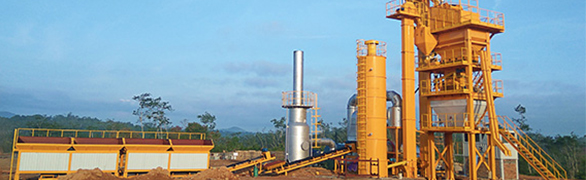
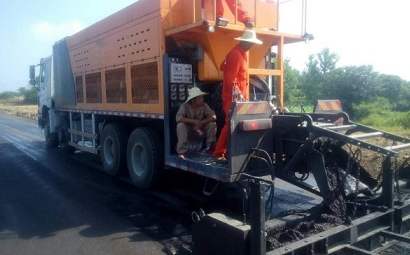
The arrival of summer—characterized by high temperatures, intense sunlight, and frequent short-duration rain showers—poses significant challenges for asphalt pavement construction. To ensure both the quality of road projects and safety on-site, construction teams must strictly implement specialized high-temperature construction plans and maintain rigorous control over the entire asphalt paving process.
Construction schedules should be adjusted to avoid peak heat; a "work early and late, rest during the day" approach is recommended. Paving operations should be prioritized during the early morning or evening to mitigate the adverse effects of extreme midday heat. Furthermore, on-site heat-prevention measures must be in place, including rotating shifts for workers and the provision of adequate heat-relief supplies.
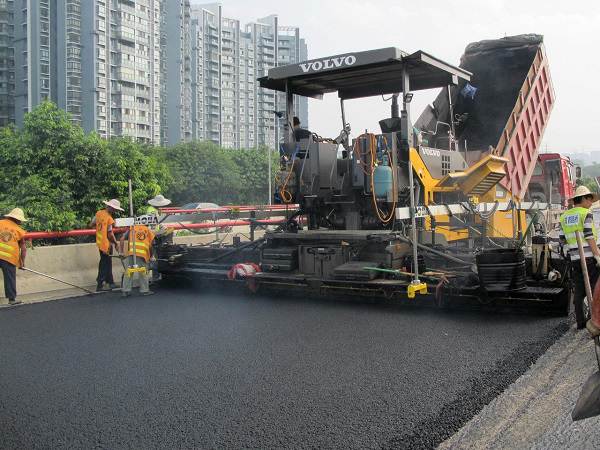
Strict temperature control throughout the asphalt mixture lifecycle—from mixing and transport to paving and compaction—is critical. Transport vehicles must be equipped with insulated covers to minimize heat loss, and the temperature of the mixture in every truck must be verified upon arrival. Paving machine screeds should be preheated, and the paving and compaction processes must be closely coordinated. Following the principles of "close-following, slow-rolling, high-frequency, and low-amplitude" compaction helps prevent issues such as inadequate compaction, material segregation, or surface loosening caused by a rapid drop in temperature.
Close attention must be paid to weather changes, with proactive measures taken for the rainy season. Designated personnel should monitor weather forecasts; paving must cease immediately if rain occurs or if the base layer is damp. Any asphalt material that has been laid but not yet fully compacted must be promptly removed. Effective on-site drainage is essential to prevent rainwater from infiltrating the structural layers, which could otherwise lead to water damage or the formation of potholes.
Proper coordination between construction stages and post-paving management is vital. Before paving, ensure the base layer is clean and apply a tack coat as required. Once compaction is complete, the road should remain closed to traffic until the surface temperature drops below 50°C. This prevents the asphalt from remaining soft, sticky, or prone to displacement and blistering, ultimately extending the service life of the pavement.
Simultaneously, safety management must be strengthened on-site. This includes regular inspections of machinery, electrical systems, and fire safety protocols to build a robust defense against risks during high-temperature construction, ensuring that both quality and safety are effectively managed.