Home » Products » Bitumen Processing » How can modified asphalt equipment extend its service life?

How can modified asphalt equipment extend its service life?

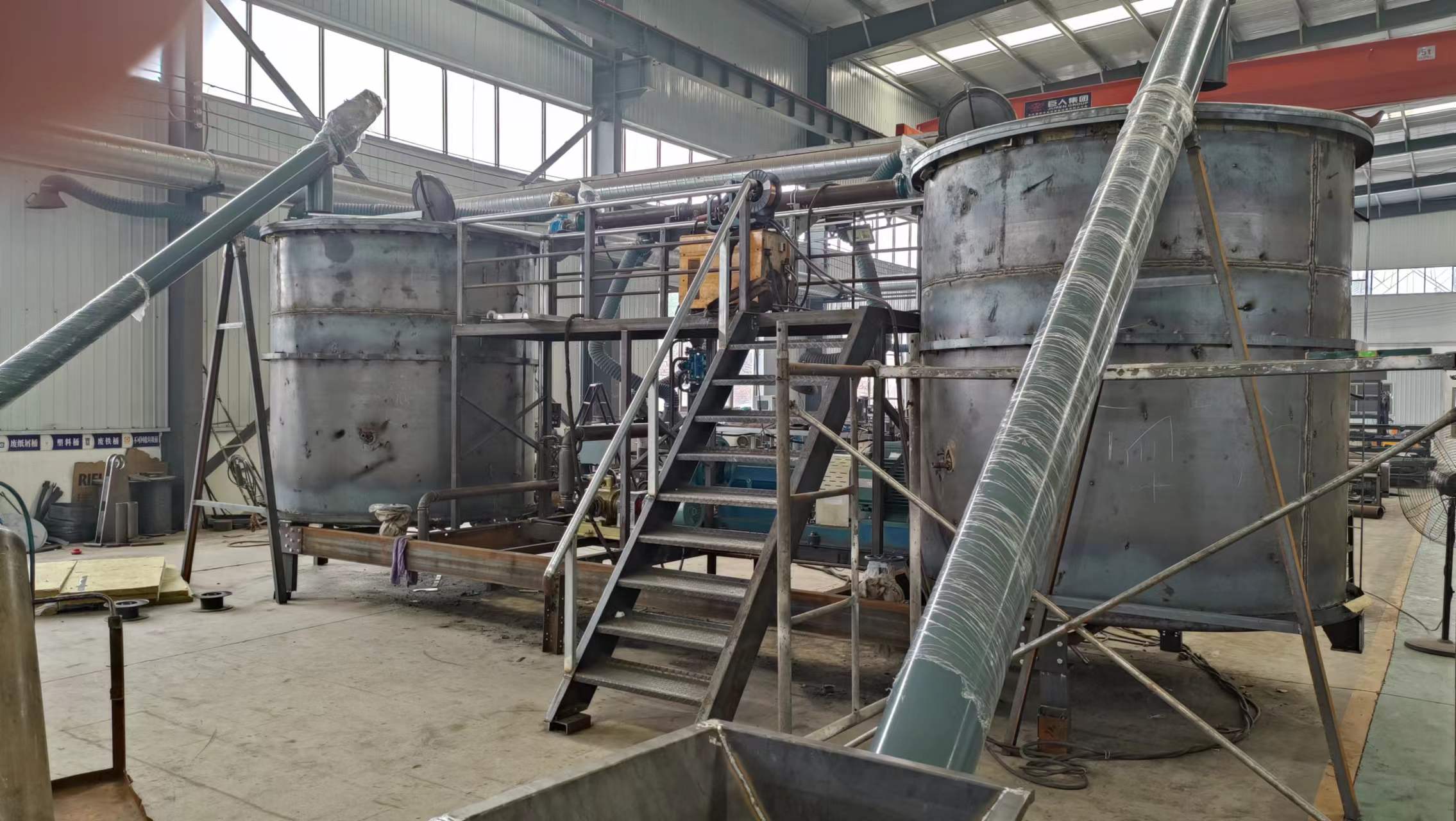
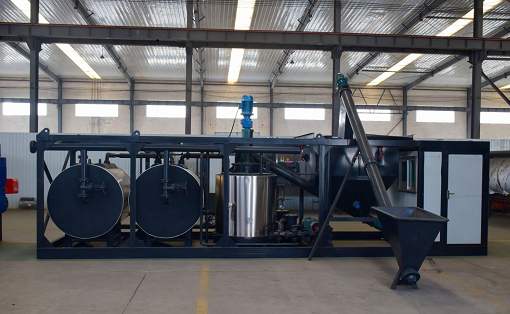
Emulsified asphalt is an emulsion that disperses asphalt into the water phase to form a liquid at room temperature. This determines that emulsified asphalt has many technical and economic advantages over hot asphalt and diluted asphalt. We know that modified asphalt equipment is a road engineering machinery. In order to better promote users’ understanding of it, today the editor will introduce its characteristics to you so that users can better understand that modified asphalt equipment is used for modified asphalt. It consists of a main machine, a modifier feeding system, a finished product tank, a heat transfer oil reheating furnace and a microcomputer control system. The main machine is equipped with a mixing tank, a dilution tank, a colloid mill and an electronic weighing device. The entire production process is controlled by a computer automatic program. In addition, it can be learned that the product has the advantages of reliable quality, stable performance, accurate measurement, and convenient operation. It is an indispensable new equipment in highway construction. The advantages of asphalt equipment are prominently reflected in its two-way modification effect, that is, while greatly increasing the softening point of asphalt, it also significantly enhances the low-temperature ductility, improves the temperature sensitivity, and has a particularly large elasticity and recovery rate. The modified asphalt equipment has a long service life and a safe and reliable production process. The rotor and stator are specially heat treated, and the service life of the equipment is more than 15,000 hours.

Rated 4.6/5 based on 358 customer reviews
Share:
Content

Emulsified asphalt is an emulsion that disperses asphalt into the water phase to form a liquid at room temperature. This determines that emulsified asphalt has many technical and economic advantages over hot asphalt and diluted asphalt. We know that modified asphalt equipment is a road engineering machinery. In order to better promote users’ understanding of it, today the editor will introduce its characteristics to you so that users can better understand that modified asphalt equipment is used for modified asphalt. It consists of a main machine, a modifier feeding system, a finished product tank, a heat transfer oil reheating furnace and a microcomputer control system. The main machine is equipped with a mixing tank, a dilution tank, a colloid mill and an electronic weighing device. The entire production process is controlled by a computer automatic program. In addition, it can be learned that the product has the advantages of reliable quality, stable performance, accurate measurement, and convenient operation. It is an indispensable new equipment in highway construction. The advantages of asphalt equipment are prominently reflected in its two-way modification effect, that is, while greatly increasing the softening point of asphalt, it also significantly enhances the low-temperature ductility, improves the temperature sensitivity, and has a particularly large elasticity and recovery rate. The modified asphalt equipment has a long service life and a safe and reliable production process. The rotor and stator are specially heat treated, and the service life of the equipment is more than 15,000 hours.

Inquiry


    More Road Maintenance

    In the field of road construction and maintenance, asphalt, as a core material, directly impacts project progress through efficient storage and transportation. The specialized equipment developed by asphalt drum unloading equipment companies is a key tool for the efficient conversion of asphalt from drums to a liquid state. This type of equipment rapidly transforms solid asphalt into a pumpable liquid state through precise temperature and pressure control, ensuring construction continuity while reducing material waste. This article will analyze the core advantages of this equipment from three dimensions: technical principles, application scenarios, and industry value.
    Technical Principles: Synergistic Effect of Heat Exchange and Pressure Control
    The core of asphalt drum unloading equipment lies in the precise coordination between the heat exchange system and the pressure control module. The equipment uses a built-in heat-conducting oil circulation system to uniformly heat the drummed asphalt to a melting temperature of 160-180℃, while simultaneously using a vacuum pump to remove air from the drum, creating a negative pressure environment. This dual action significantly shortens the asphalt melting time—traditional heating methods require 4-6 hours, while specialized equipment can complete the unloading process in just 1-2 hours. Furthermore, the equipment’s intelligent temperature control system monitors asphalt temperature in real time, preventing material degradation due to localized overheating and ensuring asphalt quality meets construction standards.

    Fine-grained asphalt road is a type of road surface constructed using fine-grained asphalt mixtures.
    I. Material Composition
    Asphalt Binder: Typically, road petroleum asphalt or modified asphalt conforming to relevant standards is selected. For general urban roads and highways, No. 70 or No. 90 road petroleum asphalt is commonly used; in some special sections, such as heavy-duty traffic roads or roads in high-temperature areas, modified asphalt may be used to improve pavement performance.
    The quality of the asphalt directly affects the pavement’s durability, aging resistance, and crack resistance. High-quality asphalt should have appropriate viscosity, softening point, and ductility, maintaining good performance under different climatic conditions.
    Fine Aggregate: Generally, natural sand, manufactured sand, or stone chips are used. The particle shape, gradation, and mud content of the fine aggregate have a significant impact on the performance of the asphalt mixture.
    The particle shape should be as close to cubic as possible to improve the stability and density of the mixture. The gradation should meet design requirements. A reasonable gradation allows fine aggregates to form a good interlocking structure in the mixture, improving pavement strength and durability. The mud content should be strictly controlled within the specified range; excessive mud content will reduce the adhesion between asphalt and aggregates, affecting pavement quality.
    Coarse Aggregate: Commonly used coarse aggregates include crushed stone and crushed gravel. The strength, hardness, and abrasion resistance of coarse aggregates are key indicators and should meet certain technical requirements to ensure the pavement can withstand vehicle loads and wear during use.
    Its particle size is generally above 4.75mm, playing a skeletal supporting role in the asphalt mixture. A reasonable coarse aggregate gradation can increase pavement stability and load-bearing capacity.

    Emulsified asphalt is an emulsion that disperses asphalt into the water phase to form a liquid at room temperature. This determines that emulsified asphalt has many technical and economic advantages over hot asphalt and diluted asphalt. We know that modified asphalt equipment is a road engineering machinery. In order to better promote users’ understanding of it, today the editor will introduce its characteristics to you so that users can better understand that modified asphalt equipment is used for modified asphalt. It consists of a main machine, a modifier feeding system, a finished product tank, a heat transfer oil reheating furnace and a microcomputer control system. The main machine is equipped with a mixing tank, a dilution tank, a colloid mill and an electronic weighing device. The entire production process is controlled by a computer automatic program. In addition, it can be learned that the product has the advantages of reliable quality, stable performance, accurate measurement, and convenient operation. It is an indispensable new equipment in highway construction. The advantages of asphalt equipment are prominently reflected in its two-way modification effect, that is, while greatly increasing the softening point of asphalt, it also significantly enhances the low-temperature ductility, improves the temperature sensitivity, and has a particularly large elasticity and recovery rate. The modified asphalt equipment has a long service life and a safe and reliable production process. The rotor and stator are specially heat treated, and the service life of the equipment is more than 15,000 hours.

    Cold-mix colored asphalt, this new type of colored asphalt pavement, is truly a great product! It’s not only anti-skid, noise-reducing, and anti-fogging, but also particularly environmentally friendly, significantly improving road surface smoothness. In comparison, hot-mix asphalt seems more traditional. So, what are the differences between them? Let’s take a look!
    Major Differences in Raw Materials
    First, the binder in cold-mix colored asphalt is a modified cold-mix binder, which is liquid under normal conditions. Hot-mix colored asphalt oil, on the other hand, is solid and only becomes liquid after heating. This determines the differences in their production processes and usage methods.
    Differences in Production Processes
    Modified cold-mix binder is liquid and can be directly mixed with cold aggregates. Hot-mix asphalt oil and aggregates, however, need to be heated to a certain temperature before mixing. This heating process requires specialized equipment and time!
    Major Differences in Construction Methods
    The construction of cold-mix colored asphalt is not limited by temperature; it can be mixed, spread, and leveled on-site, and finally polished with a grinder. Hot-mix asphalt construction is limited by temperature and time, requiring compaction with pavers and rollers. This process demands a professional team!
    Cure Time Differs Significantly
    Cold-mix asphalt pavements typically require only 1-3 hours of curing time, after which they can be opened to traffic. Hot-mix asphalt pavements, however, require 24 hours of curing time, and traffic should be avoided for at least one day. Therefore, if you are in a hurry, cold-mix asphalt may be more suitable!
    Service Life Differs Significantly
    Cold-mix asphalt pavements generally last 1-3 years. Hot-mix colored asphalt, due to the addition of colorants, will fade after six months. Therefore, if you prioritize aesthetics and durability, hot-mix asphalt may be more suitable.
    In summary, both cold-mix and hot-mix asphalt have their advantages and disadvantages; the choice depends on your specific needs and environmental conditions. Hopefully, this article has helped you better understand the differences between these two types of asphalt!

    Cold asphalt patching compound is a special mixture used to repair damaged road surfaces. It is composed of modified asphalt, polymer additives, and selected aggregates, and can be applied at room temperature without heating. The core advantage of this material lies in its adhesion and compressive strength. It can quickly integrate with the original road surface in both wet and dry environments, effectively preventing crack propagation and water penetration. It is widely used in urban roads, community sidewalks, and parking lots.
    Cold asphalt patching compound allows you to directly fill potholes by opening the bag, simply compact it, and then drive on it. It’s completely stable by the next day! The most surprising thing is that the surface color is very close to the original asphalt, making the repair almost invisible. Its particle distribution is very uniform, preventing loosening and falling off. Even with frequent vehicle traffic, it’s fine, readily handling minor damage – truly reassuring and convenient.
    All-weather repair material: Cold patch material has a wide applicable temperature range, suitable for application in rain, snow, or sunshine; Low repair cost: Not limited by weather or the size and number of potholes, you can use as needed; Simple application: Can be applied using impact compaction, manual compaction, or tire rolling, depending on the road surface repair requirements; Excellent repair results: Repaired potholes are less prone to peeling or cracking, eliminating the need for repeated repairs; Cold asphalt patch material possesses excellent adhesion and self-leveling properties, quickly filling cracks and potholes, adapting to various weather conditions, and is especially suitable for emergency repairs and small-area renovations. Its core advantages are convenient application, rapid reopening to traffic, and long-term pressure resistance and crack resistance.

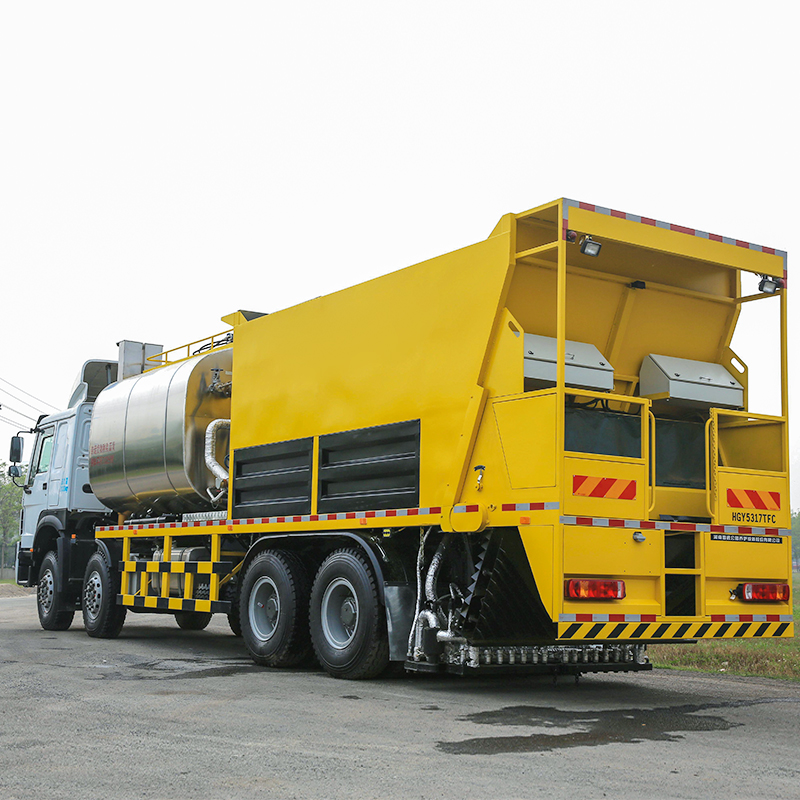
    Gravel Synchronized seal Trucks are essential road construction equipment. Regular maintenance and care are essential to ensure proper operation and extend their service life. This article provides a maintenance and care guide for Gravel Synchronized seal Trucks to help users manage their equipment correctly on a daily basis.
    Cleaning and Lubrication:
    Gravel Synchronized seal Trucks accumulate dust, sand, and other impurities during use, so regular cleaning is crucial. Use a high-pressure water jet or detergent to thoroughly clean the vehicle, especially the hydraulic system and feed mechanism.
    Regularly check the hydraulic system fluid to ensure cleanliness and proper fill level. Replace the hydraulic fluid according to the manufacturer’s recommendations and regularly check the fluid viscosity and pressure.
    Inspection and Repair:
    Regularly inspect key components of the gravel truck, such as the hydraulic cylinder, conveyor belt, and vibrator. Ensure they are in good working condition and free of leaks, looseness, or wear.
    Inspect the feed port and distribution mechanism to ensure even discharge and distribution of gravel. Repair or replace any damaged, clogged, or loose components. Check the vehicle’s tires and brake system to ensure they are in good condition. Replace tires as needed and adjust and maintain the brake system.
    Regular Maintenance:
    Develop a regular maintenance schedule based on the equipment manufacturer’s maintenance manual. This includes replacing filters, cleaning or replacing the air filter, and inspecting and adjusting the drive chain.
    Regularly check the electrical system and instrument panel to ensure the accuracy and display of the instruments.
    Cooperate with professionals for regular comprehensive inspections and maintenance, including pressure testing the hydraulic system and inspecting and adjusting the drive system.
    Proper maintenance and care can keep your gravel truck in good working condition, improving construction efficiency and extending its lifespan. Users should follow the manufacturer’s requirements and instructions to develop a reasonable maintenance schedule. During use, be aware of any abnormalities and promptly address and repair them.

    Energy conservation and environmental protection are also excellent ways for Chinese companies to break down foreign trade barriers. By the end of 2011, the annual fuel consumption of my country’s construction machinery products exceeded the total annual output value of construction machinery. Currently, market entry barriers in countries like the United States and Japan are rising, and emission standards are a primary concern among these trade barriers. Industry experts believe that energy conservation and emission reduction in the construction machinery industry are challenging, often hindered by technical bottlenecks. Therefore, increasing research and development efforts is an effective way to address this situation. Energy conservation and environmental protection are the inevitable trends in the development of China’s construction machinery industry.
    Whether it is to reduce environmental burdens or break down foreign trade barriers, energy conservation and environmental protection will become the mainstream trend in the development of construction machinery. The future development of China’s construction machinery industry will place greater emphasis on transformation and upgrading, and energy conservation and environmental protection will be a key focus in its implementation strategies. Currently, construction machinery manufacturers are incorporating more energy-saving and environmental protection elements into their new products. At the just-concluded biennial Shanghai Bauma Show, renowned international construction machinery companies like Komatsu, Hyundai, and Volvo Construction Equipment, as well as Chinese construction machinery giants like Sany, XCMG, Zoomlion, and Liugong, showcased their latest equipment, all boasting enhanced energy-saving and environmental performance. This demonstrates that the future of construction machinery will inevitably be dominated by energy conservation and environmental protection. Construction machinery companies must prioritize their own efforts to achieve higher product efficiency and superior energy-saving and consumption-reduction performance.

    Asphalt is widely used in road construction, primarily for paving. Its advantages include the following:
    Good adhesion: It bonds firmly with aggregate, tightly binding aggregate particles together to form a stable pavement structure that effectively resists damage from vehicle loads and natural factors.
    Good waterproofing: Asphalt is impermeable, preventing rainwater from penetrating the pavement structure, protecting the roadbed and base layer from water erosion, and extending the service life of the road.
    High smoothness: The paved road surface has good smoothness, providing a smooth driving surface for vehicles, reducing bumps and vibrations during driving, and improving driving comfort.
    -Excellent skid resistance: Through the appropriate selection of aggregates and mix design, asphalt pavements can achieve excellent skid resistance, ensuring sufficient friction for vehicles in both wet and dry conditions, ensuring safe driving.
    Easy to repair: Local damage is easy to repair, and can be repaired using hot or cold patching methods. The repaired pavement adheres well to the original surface and can be quickly restored to service. Convenient Construction: Asphalt pavement construction is relatively simple and can be quickly paved using mechanical equipment such as pavers. Traffic can be reopened relatively quickly after construction, minimizing impact on traffic.
    Good Noise Reduction: Compared to cement concrete pavement, asphalt pavement effectively absorbs vehicle noise, reducing traffic noise pollution and improving the surrounding environment.