Products

I. Choosing the Right Heating Tools
Want to soften asphalt quickly? Tool selection is crucial. There are three common heating methods:
Hot Air Gun: Suitable for small-area work, allowing precise control of the heating area.
Infrared Heater: The first choice for large-area construction, providing uniform and efficient heating.
Dedicated Asphalt Heating Pot: Professional-grade equipment that maintains the asphalt in a liquid state.
Choose tools according to the workload to avoid energy waste.
II. Mastering Temperature Control
Temperature is the core factor in melting asphalt, but higher isn’t always better:
Ideal Heating Range: 150-180℃ (Above 200℃ will produce harmful gases)
Layered Heating Method: Heate the surface first, then the bottom layer, to avoid scorching the outer layer.
Temperature Monitoring: Use an infrared thermometer for real-time monitoring.
In summer, direct sunlight may cause the asphalt to soften naturally to a workable state, saving up to 30% of heating time.
III. Safety During Operations Cannot Be Ignored
High-Temperature Work Requires Proper Protective Measures:
Personal Protective Equipment: Heat-resistant gloves + goggles + non-slip shoes
Environmental Ventilation: Outdoor work is preferred; forced ventilation is necessary for indoor operations.
Emergency Preparedness: Have fire-extinguishing sand/fire extinguishers readily available; keep away from flammable materials.
Cooling Process: Set up warning signs after construction; do not step on the work area before it cools naturally.

I. Introduction to Colored Slurry Top Seal Coating Technology
Colored slurry top seal coating is an innovative road surface treatment technology. It uses a special colored slurry material and a professional construction process to form a strong, wear-resistant, and anti-slip colored coating on the road surface. This technology not only significantly improves the aesthetics of roads but also effectively extends the service life of the road surface and improves driving safety.
II. Technical Characteristics of Colored Slurry Top Seal Coating
Aesthetics: Colored slurry top seal coatings offer a variety of color options, allowing for personalized customization according to urban planning and design needs, making urban roads more beautiful and aesthetically pleasing.
Wear Resistance: This seal material has high wear resistance, capable of withstanding long-term wear from vehicles and pedestrians, maintaining the stability of the road surface color and texture.
Anti-slip Performance: Colored slurry top seal coating increases the road surface’s coefficient of friction, improving its anti-slip performance and reducing the risk of vehicle skidding in rainy or snowy weather.
III. Construction Method of Colored Slurry Top Seal Coating
Constructing colored slurry top seal coating requires professional equipment and technicians. First, the existing road surface must be thoroughly cleaned and treated to ensure it is dry and smooth. Then, the colored slurry material is mixed evenly in a specific ratio and sprayed evenly onto the road surface using professional spraying equipment. Finally, after a period of curing, the colored slurry top seal will fully harden, forming a durable road surface coating.
IV. Application of Colored Slurry Top Seal in Actual Road Construction
Colored slurry top seal technology has been widely used in modern urban transportation construction. It not only enhances the aesthetics of urban roads but also improves driving safety by increasing the road surface’s wear resistance and anti-skid properties. Furthermore, this technology can also be applied to the construction of pedestrian walkways, bicycle lanes, and other slow-traffic systems, providing citizens with a more comfortable and safer travel environment.
In conclusion, colored slurry top seal, as an innovative road surface treatment technology, plays an increasingly important role in modern urban transportation construction. Through continuous improvement of technical levels and construction quality, we believe this technology will bring more possibilities and opportunities for future urban transportation development.

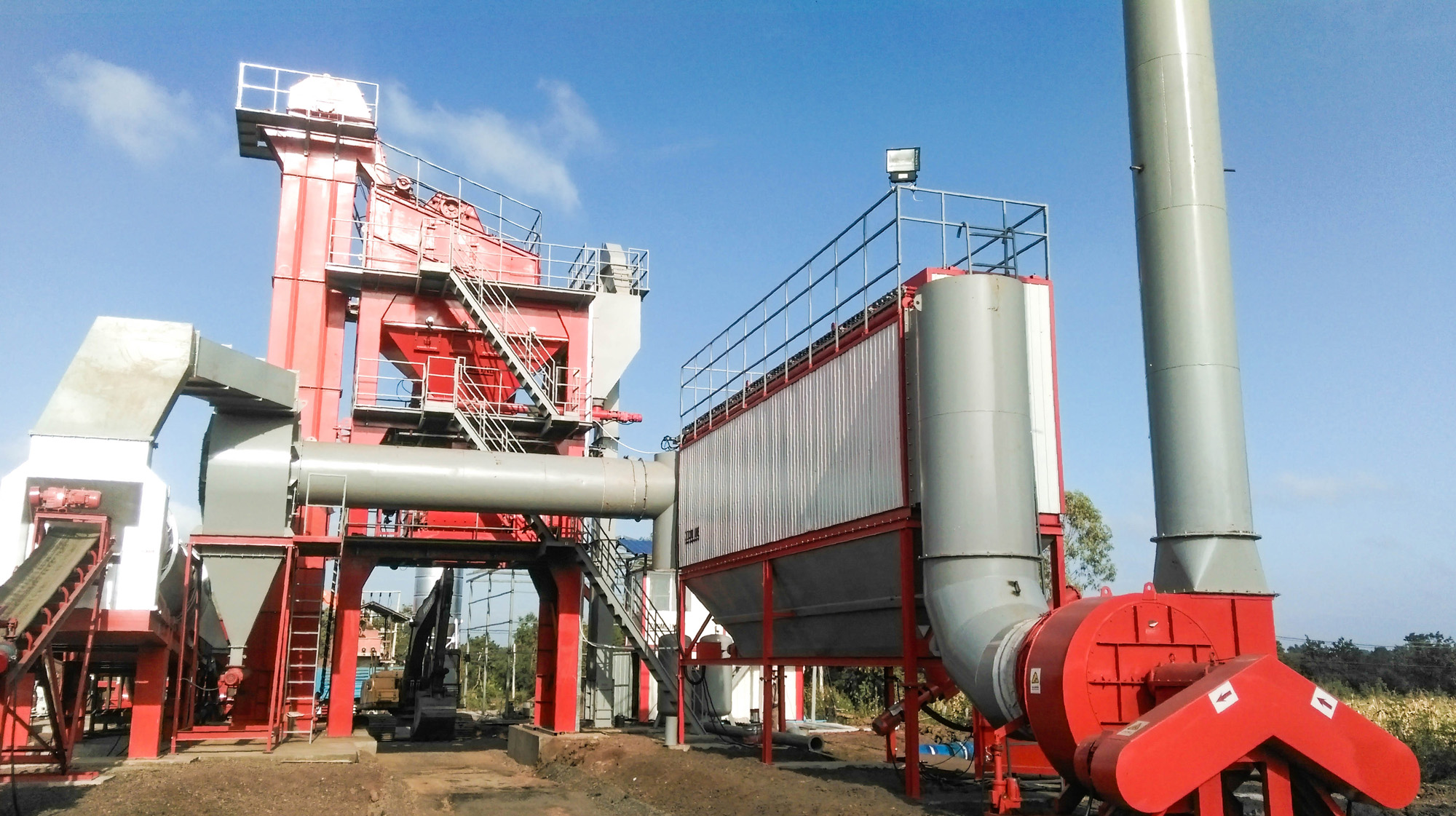
I. Cold Aggregate Drum: The “Granary” of Asphalt Mixing
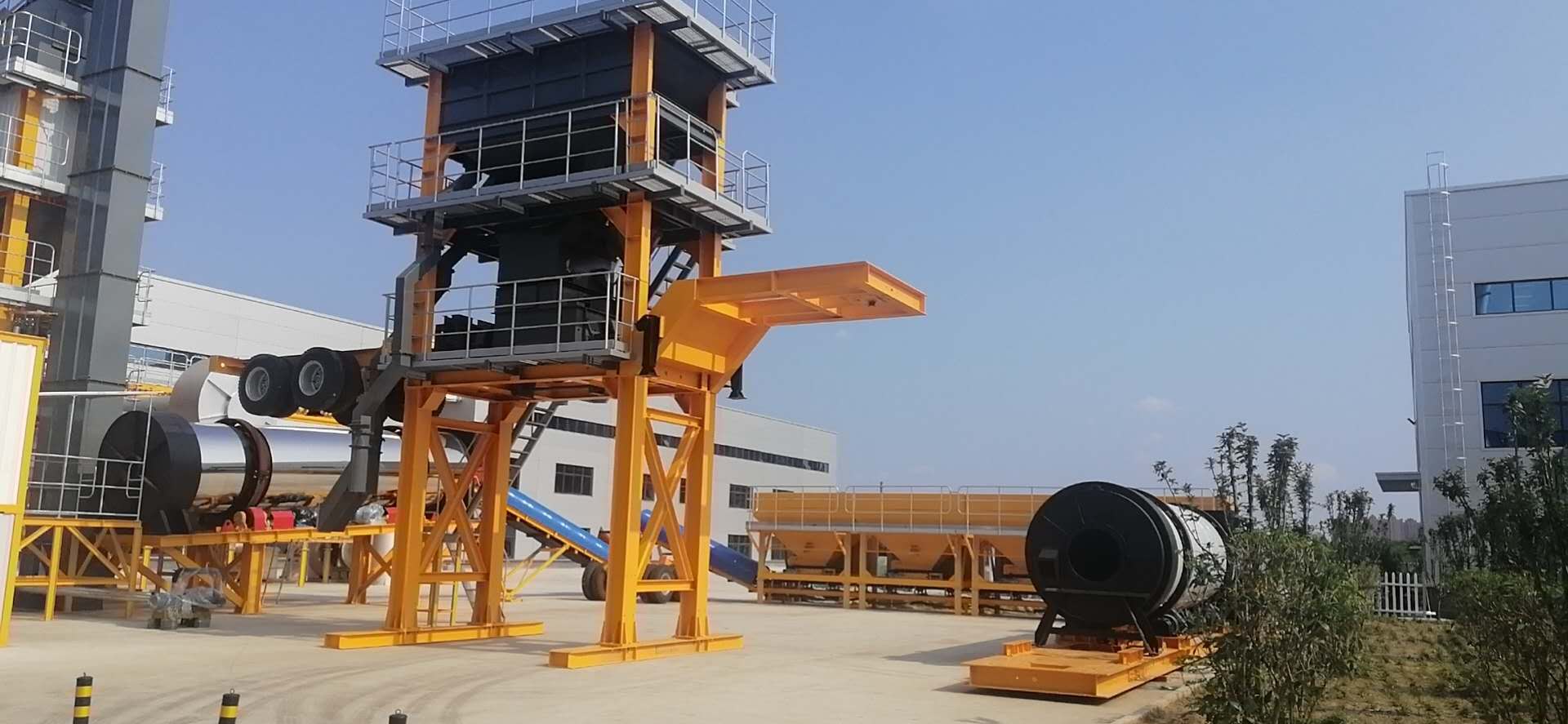
Imagine an asphalt mixing plant as a super kitchen, and the cold aggregate drum is that enormous “granary.” Its main task is to store and pre-process various cold aggregates—such as crushed stone and gravel. These cold aggregates are fed into the drum via conveyor belt, undergoing preliminary screening and weighing to ensure the perfect proportion of each aggregate. Just as a chef needs to precisely weigh each ingredient, the cold aggregate drum is the silent “weighing master,” laying a solid foundation for the subsequent mixing process.
II. Drying Drum: The “Heating Furnace” of Asphalt Mixing
Next, the drying drum takes center stage. This drum acts like a giant “heating furnace,” responsible for heating the cold aggregates to a suitable mixing temperature. After entering the drying drum, the cold aggregates come into full contact with the high-temperature air generated by the burner, rapidly evaporating moisture and gradually increasing the aggregate temperature. This process is similar to heating the pan before adding ingredients for stir-frying. The precise temperature control of the drying drum ensures that the aggregate reaches the ideal temperature before entering the mixing stage, creating conditions for a perfect bond between asphalt and aggregate.
III. Mixing Drum: The “Magic Pot” of Asphalt Mixing
Finally, we arrive at the most crucial component—the mixing drum, the “magic pot” of the asphalt mixing plant. Here, heated aggregate is thoroughly mixed with asphalt, mineral powder, and other additives to form a homogeneous asphalt mixture. The mixing drum is equipped with special mixing blades that, like a magician’s hands, constantly tumble and stir the mixture, ensuring that every grain of aggregate is evenly coated with asphalt. This process is like mixing a perfect cocktail; precise proportions and thorough mixing are required to achieve the best taste and effect. And the mixing drum is the “magic pot” that creates this “perfect taste.”

01 Functional Integration: From Linear Process to Closed-Loop System
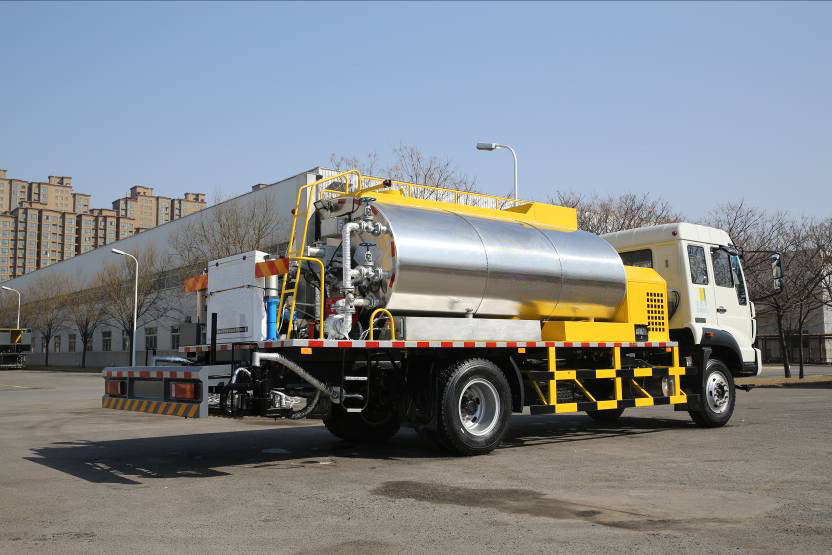
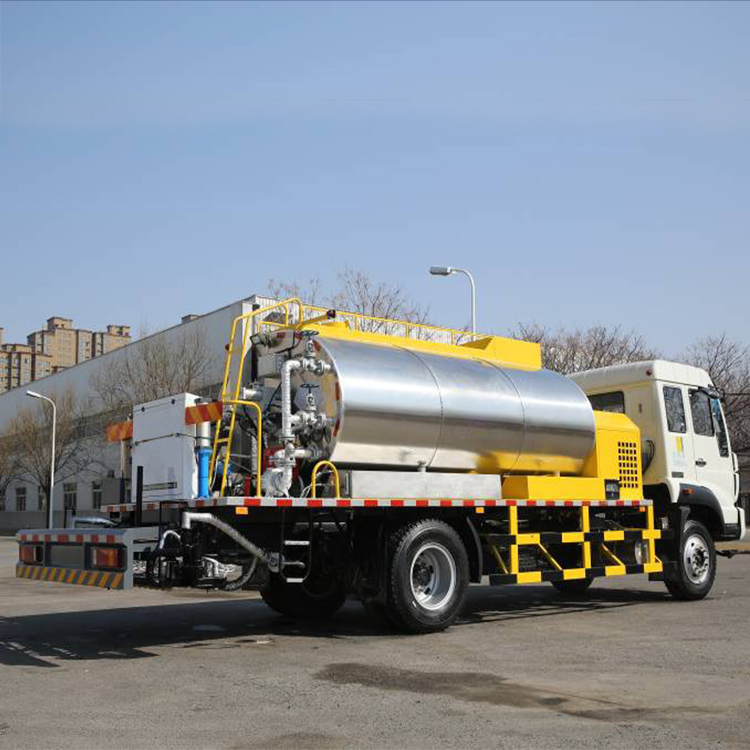
Traditional asphalt spraying and maintenance in road construction follows a linear open-loop process: materials are produced at fixed sites, transported to the site, and then sprayed by a sprayer truck. Residual materials and waste are often handled independently. The multi-functional emulsified asphalt sprayer truck, however, constructs a highly integrated closed-loop system. This system mainly integrates three functional modules.
The first is the on-board emulsification preparation module. The core of this module is a high-speed shear colloid mill, which can instantly mix hot asphalt, water, and emulsifier under precisely controlled temperature, flow rate, and pressure to form emulsified asphalt with uniform and stable particle size. This means that the construction team can adjust the emulsified asphalt formula and output in real time according to the site climate and aggregate characteristics, achieving on-site customization of material performance.
The second is the intelligent precision spraying module. This module simplifies the simple pumping and spraying of traditional sprayer trucks. It typically integrates multiple nozzles and an independently controlled solenoid valve spraying boom, controlled by an onboard computer system. The system can automatically adjust the on/off state and flow rate of each nozzle based on preset spraying amounts (e.g., kilograms per square meter) and vehicle speed, ensuring extreme uniformity of longitudinal and lateral spraying. For special areas such as bridge decks and curves, patterned spraying can be performed to avoid material waste and pollution of non-construction areas.
The third is the waste recycling and regeneration module. This is a key environmental feature that distinguishes it from ordinary sprayers. Some high-end models are equipped with suction devices that can recover excess emulsified asphalt, wastewater from cleaning equipment, and even residual asphalt mixture milled from old road surfaces generated during construction. These recyclables can be temporarily stored or preliminarily processed in specific containers inside the vehicle, creating conditions for subsequent resource utilization and achieving a closed loop from “production-application-recycling”.

Cold-mix colored asphalt, this new type of colored asphalt pavement, is truly a great product! It’s not only anti-skid, noise-reducing, and anti-fogging, but also particularly environmentally friendly, significantly improving road surface smoothness. In comparison, hot-mix asphalt seems more traditional. So, what are the differences between them? Let’s take a look!
Major Differences in Raw Materials
First, the binder in cold-mix colored asphalt is a modified cold-mix binder, which is liquid under normal conditions. Hot-mix colored asphalt oil, on the other hand, is solid and only becomes liquid after heating. This determines the differences in their production processes and usage methods.
Differences in Production Processes
Modified cold-mix binder is liquid and can be directly mixed with cold aggregates. Hot-mix asphalt oil and aggregates, however, need to be heated to a certain temperature before mixing. This heating process requires specialized equipment and time!
Major Differences in Construction Methods
The construction of cold-mix colored asphalt is not limited by temperature; it can be mixed, spread, and leveled on-site, and finally polished with a grinder. Hot-mix asphalt construction is limited by temperature and time, requiring compaction with pavers and rollers. This process demands a professional team!
Cure Time Differs Significantly
Cold-mix asphalt pavements typically require only 1-3 hours of curing time, after which they can be opened to traffic. Hot-mix asphalt pavements, however, require 24 hours of curing time, and traffic should be avoided for at least one day. Therefore, if you are in a hurry, cold-mix asphalt may be more suitable!
Service Life Differs Significantly
Cold-mix asphalt pavements generally last 1-3 years. Hot-mix colored asphalt, due to the addition of colorants, will fade after six months. Therefore, if you prioritize aesthetics and durability, hot-mix asphalt may be more suitable.
In summary, both cold-mix and hot-mix asphalt have their advantages and disadvantages; the choice depends on your specific needs and environmental conditions. Hopefully, this article has helped you better understand the differences between these two types of asphalt!

I. Necessary Preparations Before Start-up
Before using a small asphalt crack sealing machine, these preparations will make your work much more efficient:
Equipment Inspection: Confirm that the power cord is undamaged, the crack sealing nozzle is not clogged, and the heating system is working properly.
Material Preparation: The asphalt needs to be preheated to 160-180℃ to maintain its fluidity.
Site Cleaning: Remove gravel, dust, and moisture from the cracks to ensure good adhesion.
Safety Protection: Wear heat-resistant gloves, goggles, and non-slip work shoes.
II. Detailed Operating Procedures
Following this procedure, even beginners can quickly get started:
Preheating the Equipment: Preheat for 10 minutes after connecting the power supply. Maintain ideal asphalt temperature.
Trial spray adjustment: Perform a trial spray in an inconspicuous area to adjust the discharge speed and pressure.
Uniform speed grouting: Maintain the grouting gun at a 45° angle to the ground and move it at a uniform speed of 1m/min.
Finishing treatment: Immediately after grouting, use a scraper to smooth the surface to avoid material waste.
III. Daily maintenance points
Performing these maintenance tasks can extend the equipment’s service life:
After each use: Immediately clean up any residual asphalt to prevent pipe blockage after cooling.
Weekly inspection: Tighten loose screws and lubricate moving parts.
Long-term storage: Empty the fuel tank, disconnect the power supply, and store in a dry, ventilated place.
Abnormal handling: If oil leaks or abnormal noises are found, immediately stop the machine for repair.

Bitumen drum decanter plant is commonly used in road construction projects. Its operation involves several steps, and the following is a detailed user guide:
Equipment Preparation and Inspection: Before use, ensure the Bitumen drum decanter plant is in good condition. Check all components for damage, especially the clamping device and transmission system.
Place the bitumen drum in the designated stable position on the equipment, ensuring the drum is stable and preventing tipping or slippage during operation.
Bitumen Drum Inspection and Temperature Control: Open the sealed cap of the bitumen drum and carefully check the quality and temperature of the bitumen. The temperature of the bitumen has a significant impact on its fluidity and drum unloading effect.
Use a professional thermometer to measure the temperature of the bitumen, ensuring it is within the safe operating range. Excessive bitumen temperature may damage the equipment and pose a risk of burns to operators.
Equipment Adjustment and Matching: Adjust the height and angle of the drum decanter machine according to the diameter and height of the bitumen drum to achieve a perfect match. This step is crucial for ensuring a smooth drum unloading process.
Ensure the drum unloader’s clamping device fits snugly against the edge of the bitumen drum to provide sufficient clamping force.
Clamping and Unloading Operation: Open the drum unloader’s clamping device and carefully place the jaws into the bitumen drum. Ensure the jaws make full contact with the drum wall for a stable clamping effect.
Slowly move the drum unloader’s jaws upwards until they firmly grip the edge of the bitumen drum. Maintain even force during clamping to avoid damaging the bitumen drum.
Activate the drum unloader’s transmission system to slowly raise the bitumen drum. When the bitumen drum is completely off the ground, continue raising it to an appropriate height for subsequent bitumen pouring or processing.

Construction Condition Assessment
Base Layer Moisture Control
1. The base layer surface must be completely dry, without standing water or water accumulation.
After rain, the base layer must be drained to ensure no standing water.
The moisture content of the base layer must be controlled below 5%. Drying can be accelerated using a blower or natural air drying.
Low-lying areas with standing water must be filled to prevent the mixture from coming into contact with water and causing delamination.
Ambient Temperature Requirements
1. The ambient temperature for construction must meet the specifications.
The construction temperature for expressways and Class I highways must not be lower than 10℃.
The construction temperature for other highway grades must not be lower than 5℃. Paving should not be carried out during cold seasons or when rapid compaction cannot be guaranteed due to strong winds and temperature drops.
Weather Condition Assessment
1. Ensure there is no rainfall during construction.
Closely monitor the weather forecast before construction and schedule construction during periods without rain.
Construction should not be carried out within 24 hours after rain; wait until the base surface is completely dry.
Special measures must be taken when the relative humidity is higher than 80%.
Key Points for Construction Preparation
Material Selection and Treatment
1. Select water-resistant materials
Preferably use modified emulsified asphalt-based cold mix
Cement (1%–2%) can be added to improve water stability
Aggregates must be clean, dry, and have a moisture content ≤3%
2. Material Storage Requirements
Cold mixes should be stored in sealed containers to prevent moisture absorption and clumping. Emulsified asphalt in drums must be protected from rainwater infiltration. Sufficient rainproof materials such as plastic sheeting and rain shelters should be stocked. Equipment Commissioning and Preparation

I. The Impact of Temperature on Asphalt Laying
Temperature is a crucial parameter in asphalt laying. Generally, the laying temperature should be between 5-35 degrees Celsius to ensure surface quality. If the temperature is too low, the following problems will occur:
1. Asphalt will not flow easily. At low temperatures, the asphalt will solidify and become difficult to flow, affecting the uniformity of the laying process.
2. Reduced construction quality. The asphalt surface will be rough, leading to cracks and potholes, which will affect road use.
3. Increased waste. Lower temperatures increase the hardness of the asphalt, making construction more difficult, increasing the amount of asphalt needed, and raising construction costs.
II. How low is “too low”?
So, how cold is considered “too cold”? Actually, the specific value for “too low” depends on different situations. Generally, the following are some common situations:
1. The temperature of the asphalt mixture should be between 120-165 degrees Celsius. If the temperature is below this range, the fluidity of the mixture will decrease, increasing the difficulty of construction.
2. The construction temperature for asphalt pavement should be between 10-30 degrees Celsius. If the temperature is below this range, the asphalt will harden, making it difficult to lay properly and easily causing pavement cracking.
Therefore, the specific temperature will vary depending on the specific asphalt paving situation. If you need to pave asphalt, please consult a professional construction company in advance and understand the local temperature conditions.

Emulsified asphalt is a special asphalt product with many unique properties and advantages. Here are some of its main characteristics:
High fluidity and good wetting properties:
Emulsified asphalt has excellent fluidity and strong wetting properties. This allows for precise control of the application rate during tack coat, primer coat, layering, and spraying, resulting in good penetration and adhesion.
The asphalt content of emulsified asphalt can be adjusted arbitrarily, up to 67%, resulting in more uniform mixing and a thinner asphalt film. Furthermore, due to the surface charge of emulsified asphalt, asphalt particles can tightly adhere to the aggregate surface, and the emulsifier also acts as an anti-stripping agent, enhancing the bond between asphalt and aggregate.
Expanded application range:
With the continuous development of emulsified asphalt technology, many functions that hot asphalt cannot achieve can be accomplished with emulsified asphalt. This greatly expands the application range of emulsified asphalt. Energy Saving and Environmentally Friendly: Emulsified asphalt requires only one heating step during production, and the asphalt temperature is only 120-140℃, which is much lower than the heating temperature of hot asphalt. Although the emulsifier solution requires heating and the emulsification machinery consumes electricity, statistical calculations show that using emulsified asphalt for road construction and maintenance can save more than 50% of heat energy compared to using hot asphalt. Furthermore, the production and construction process of emulsified asphalt avoids prolonged high-temperature heating, reducing environmental pollution and burn accidents.

Slurry seal and micro-surfacing technologies play a crucial role in road construction. These two technologies not only effectively extend the service life of pavements but also significantly improve road safety. By understanding the principles and applications of these technologies, we can better grasp the key aspects of pavement maintenance and contribute to road safety and smooth traffic flow.
1. Construction Standards
1.1 > Material Standards
In the field of road construction, slurry seal and micro-surfacing technologies are widely used in pavement maintenance to extend pavement service life and improve road safety. Slurry seal typically uses unmodified emulsified asphalt, such as BC-1 and BA-1 types, with a residue content of no less than 60%. Micro-surfacing uses cationic polymer-modified emulsified asphalt, model CQS-1h fast-setting type, with a residue content of no less than 62% and a modifier dosage of no less than 3%. The aggregate sand equivalent used in slurry seal should be no less than 45%, and the abrasion loss should not exceed 35%. Microsurfacing requires an aggregate sand equivalent of over 65% and an abrasion loss of no more than 30% to ensure the material is clean, hard, and wear-resistant.
1.2 > Performance Standards Slurry seal is often used as a surface overlay for road surfaces; if used as a sub-seal, it has no special requirements for skid resistance. Microsurfacing, however, requires good skid resistance to handle high traffic volumes and provides a rough, skid-resistant surface. Both should bond firmly to the existing pavement to ensure good water sealing and prevent water damage. Under suitable temperature (24℃) and humidity (less than 50%), a 12.7mm thick microsurfacing can be opened to traffic within one hour after application. In contrast, slurry seal takes longer to open to traffic; fast-opening types typically require several hours, while slow-opening types can take up to 12 hours. The surface should be smooth, straight, without any slippage, and dense and firm, free from scratches, wheel tracks, cracks, or areas with excessive or insufficient coverage. Longitudinal and transverse joints should be smooth, tight, and uniform in color. The mixture must not overflow the road surface, and waste materials should be cleaned up promptly to keep the road clean.

Among the many stages of road paving, the application of tack coat is a fundamental yet crucial step. It acts like applying a uniform layer of “glue” between the subgrade and the asphalt surface layer, ensuring a strong bond between the structural layers and preventing moisture intrusion and interlayer slippage. Traditional manual or semi-mechanized spreading methods face numerous challenges in terms of precision, uniformity, and the working environment. The emergence of the multifunctional automatic asphalt spreader represents a technological innovation specifically addressing this process. It doesn’t simply mechanize manual operations; rather, through an integrated control system, it transforms asphalt spreading from an experience-dependent “craft” into a precisely controllable “industrial process.”
01 From Fuzzy Experience to Precise Parameters: The Shift in Control Logic
The quality of traditional spreading operations largely depends on the operator’s experience. Their judgment of vehicle speed, pump pressure, and nozzle operation directly determines whether the asphalt spreading amount meets standards and whether the distribution is uniform. This experience-based model inherently contains uncertainties and is easily affected by personnel condition and environmental changes, leading to fluctuations in the spreading amount and localized over- or under-thickening of the asphalt.
The core innovation of the multi-functional automatic spraying truck lies in the establishment of a closed-loop feedback control logic. The vehicle is no longer a simple actuator, but an intelligent unit with sensing, decision-making, and execution capabilities. Its workflow can be broken down into three interconnected stages: parameter presetting, real-time monitoring, and dynamic adjustment.

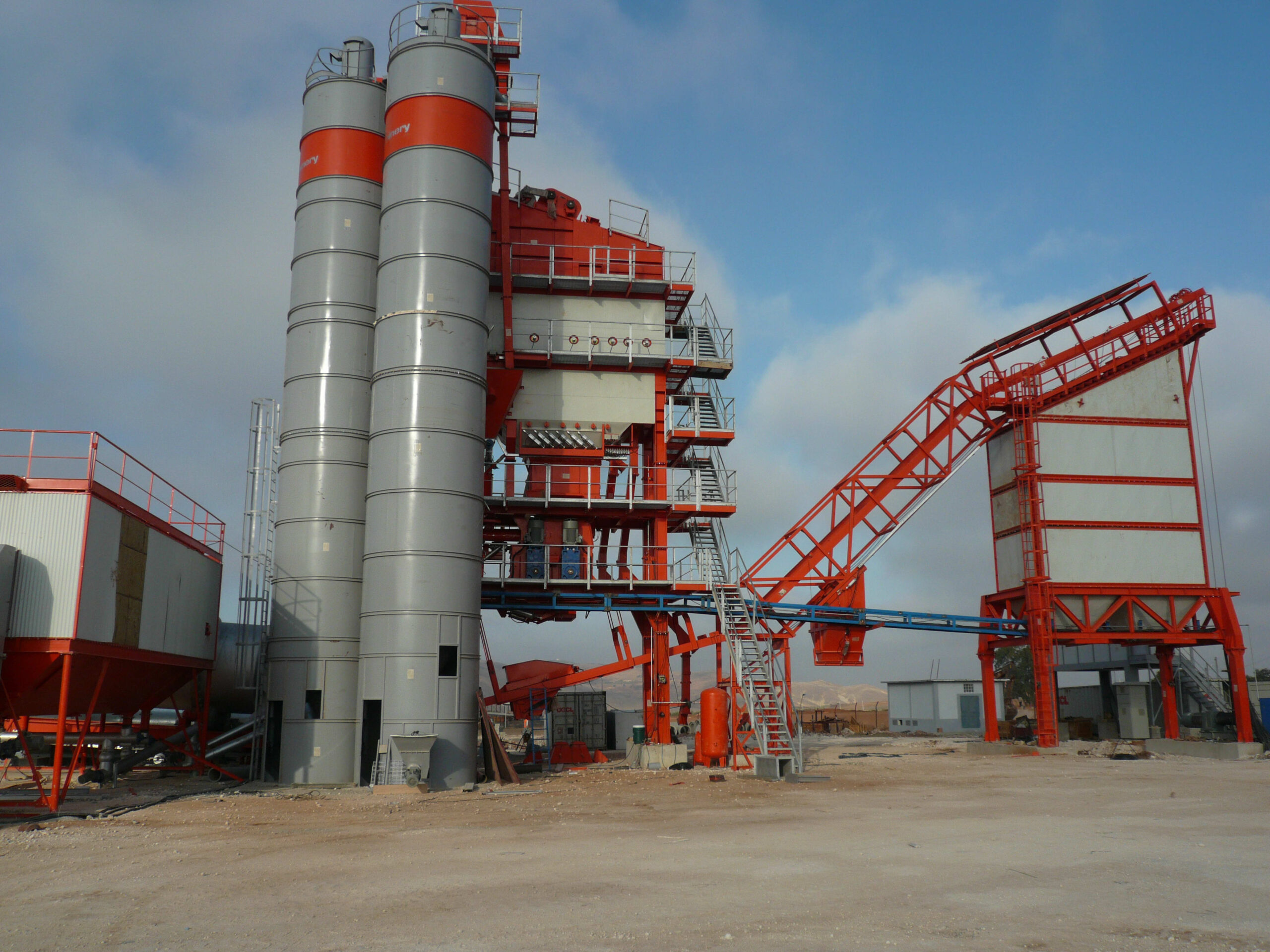
01 Overview of Large Asphalt Mixing Plants
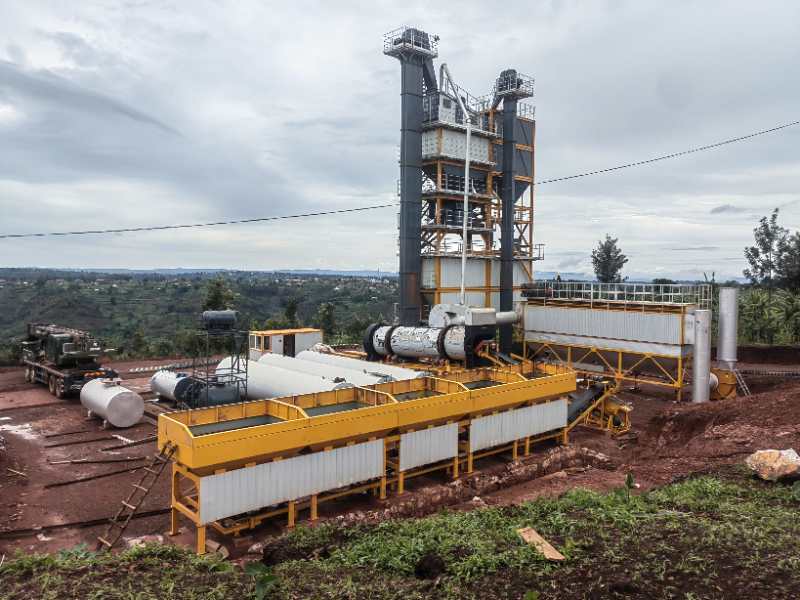
In the field of high-grade highway construction, the assembly and installation technology of large asphalt concrete mixing equipment has become increasingly mature. To further improve work efficiency, we must conduct a detailed selection and matching analysis of large mixing equipment and its auxiliary equipment, and clarify the installation and commissioning process of the asphalt plant. Improving the efficiency of the mixing plant requires optimization of the selection and matching of mature equipment and the installation process; intermittent equipment has become the mainstream due to its advantages.
02 Installation Key Points
> Foundation and Equipment Installation
In the installation process of a large asphalt mixing plant, site selection and application technology are the primary considerations. At the same time, mastering the installation methods of the foundation and equipment is also crucial. Site selection and technology application are key during installation; comprehensive equipment commissioning and geological condition adaptation are the focus of foundation construction; and reasonable installation procedures help save costs.
When installing a large asphalt mixing plant, the first thing to focus on is the installation of the foundation and equipment. When selecting a site, ensure that the asphalt mixing plant is far away from residential areas and farmland to avoid interference. Before installation, comprehensive commissioning of the equipment is essential, including checking for scratches or wear, and lubricating the bearings according to regulations. Comprehensive equipment commissioning and geological condition adaptation are key aspects of foundation construction. Simultaneously, technicians must carefully inspect the equipment and electrical systems to ensure they are in good working order and promptly identify and eliminate potential safety hazards.
Furthermore, considering the large amount of materials involved in the mixing plant, surrounding resources must be comprehensively considered. Based on geological conditions, appropriate foundation types, such as solid foundations and soft soil foundations, must be selected. For solid foundations, appropriate treatment of the bottom layer is required after excavation, and attention must be paid to the construction procedure of the foundation concrete. For soft soil foundations, after layout and excavation, techniques such as staggered piles and vibratory retaining walls must be used to reinforce the foundation bottom.
During foundation construction, close monitoring of the pouring of the foundation for the main building and the dry aggregate section is necessary to ensure that the same horizontal plane does not exceed the standard height, thereby minimizing the risk of resonance. Through a reasonable installation procedure, equipment installation should radiate outwards from the main building on three sides, while efficiently completing the basic tasks of large cranes to achieve cost savings.
> Cable Installation With the increase in the number of mixing plants, the power consumption of the motors also increases accordingly, typically in the range of 500-1000 kW. Due to the large cross-sectional area of ??the power supply lines, cable trenches and concealed channels must be used for proper planning during installation. Cable layout must be rationally planned, emphasizing insulation and protection to avoid electromagnetic interference.
Cable surfaces must be carefully inspected to ensure there are no open circuits, and self-adhesive high-voltage tape should be used for secure connections. When controlling system circuits, signals should be shielded first, and then the layout should be carried out as required. To prevent external electromagnetic interference, the wiring must be concealed and protected, and safety warnings must be installed. This effectively ensures power supply and equipment safety.

I. What is a Synchronous Chip Seal Truck?
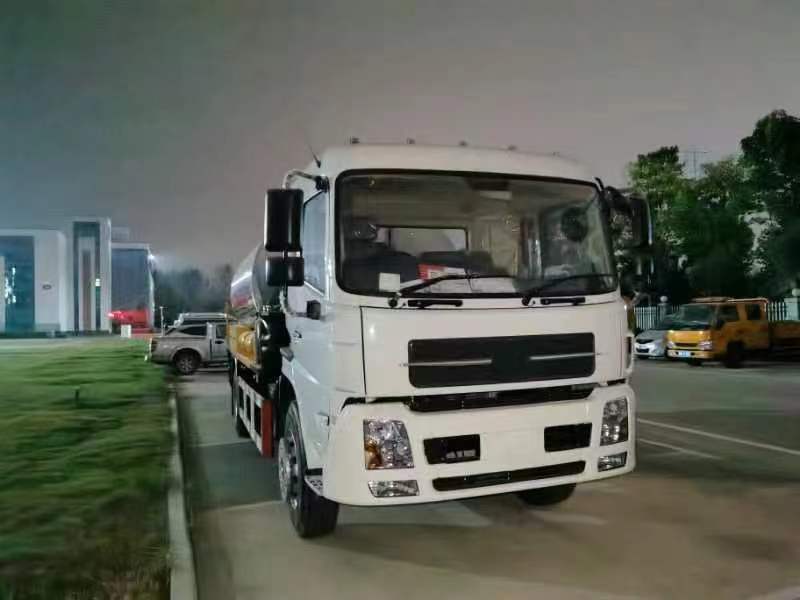
This engineering vehicle, resembling a Transformer, is actually a “grout sealer” for road construction. It can simultaneously complete two key processes while in motion: spraying emulsified asphalt and evenly spreading chipped aggregate. Compared to traditional step-by-step construction, efficiency is increased by approximately 40%, and the adhesion effect is more ideal. Currently, the mainstream models can be divided into two types based on chassis structure: self-propelled and towed.
II. Practical Comparison of Two Vehicle Types
Self-propelled: Self-powered, highly maneuverable, suitable for urban roads and small-scale projects; turning radius is typically within 8 meters.
Trailer-mounted: Requires a tractor unit, but has a larger loading capacity; the crushed stone bin can reach 15 cubic meters, designed specifically for large projects such as highways.
Hybrid: An emerging modular design that allows for quick replacement of asphalt tanks or crushed stone bins according to project needs.
III. The New Trend of Intelligentization
Modern vehicles are transforming into ‘thinking’ construction robots:
Laser ranging systems automatically adjust spray volume
BeiDou positioning achieves centimeter-level path tracking
Touchscreen control replaces traditional mechanical joysticks
Real-time cloud-based analysis of construction data
These upgrades reduce material waste per square meter by approximately 12%, while improving construction accuracy by 30%.