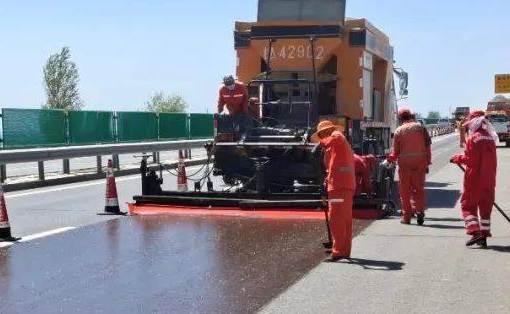
Among the many stages of road paving, the application of tack coat is a fundamental yet crucial step. It acts like applying a uniform layer of “glue” between the subgrade and the asphalt surface layer, ensuring a strong bond between the structural layers and preventing moisture intrusion and interlayer slippage. Traditional manual or semi-mechanized spreading methods face numerous challenges in terms of precision, uniformity, and the working environment. The emergence of the multifunctional automatic asphalt spreader represents a technological innovation specifically addressing this process. It doesn’t simply mechanize manual operations; rather, through an integrated control system, it transforms asphalt spreading from an experience-dependent “craft” into a precisely controllable “industrial process.”
01 From Fuzzy Experience to Precise Parameters: The Shift in Control Logic
The quality of traditional spreading operations largely depends on the operator’s experience. Their judgment of vehicle speed, pump pressure, and nozzle operation directly determines whether the asphalt spreading amount meets standards and whether the distribution is uniform. This experience-based model inherently contains uncertainties and is easily affected by personnel condition and environmental changes, leading to fluctuations in the spreading amount and localized over- or under-thickening of the asphalt.
The core innovation of the multi-functional automatic spraying truck lies in the establishment of a closed-loop feedback control logic. The vehicle is no longer a simple actuator, but an intelligent unit with sensing, decision-making, and execution capabilities. Its workflow can be broken down into three interconnected stages: parameter presetting, real-time monitoring, and dynamic adjustment.

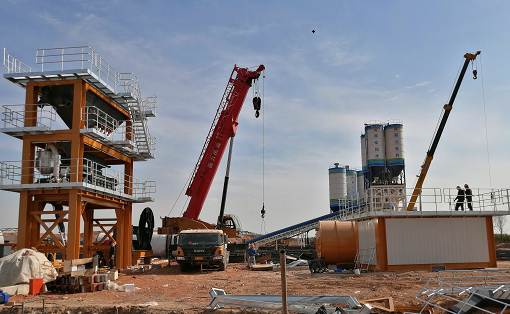
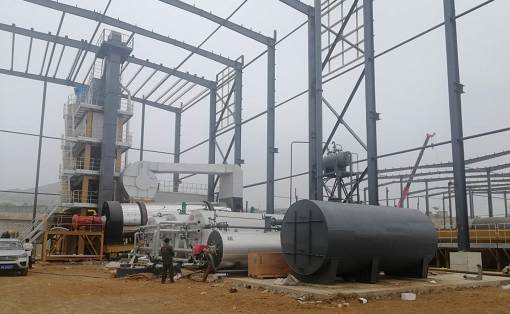
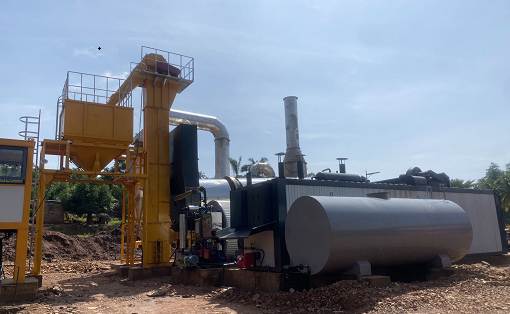
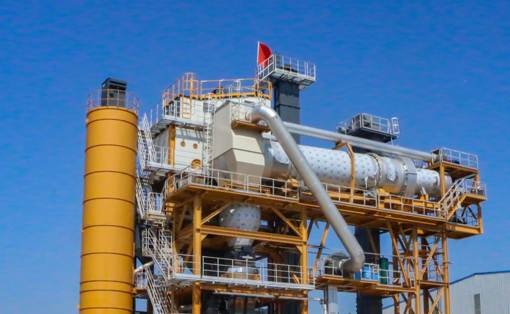
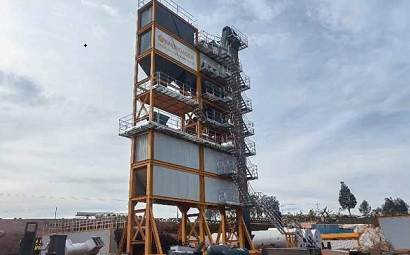
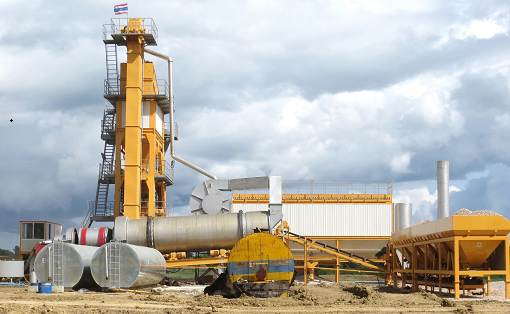
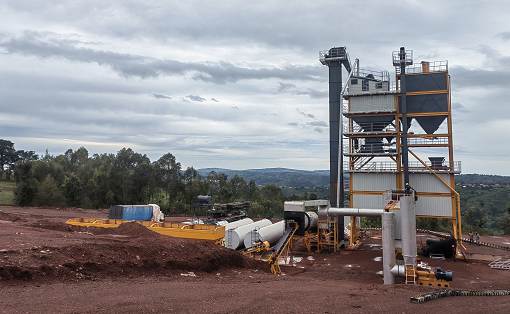
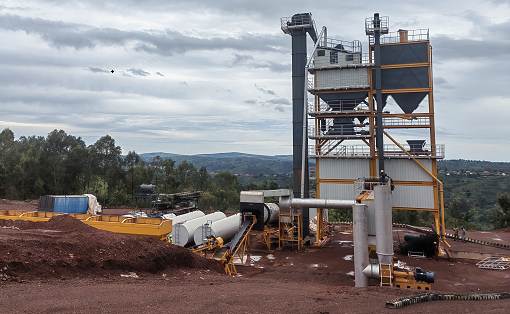
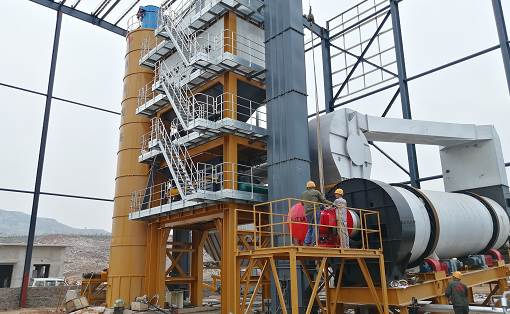
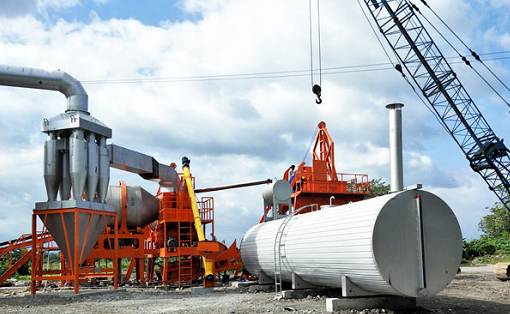
01 Overview of Large Asphalt Mixing Plants
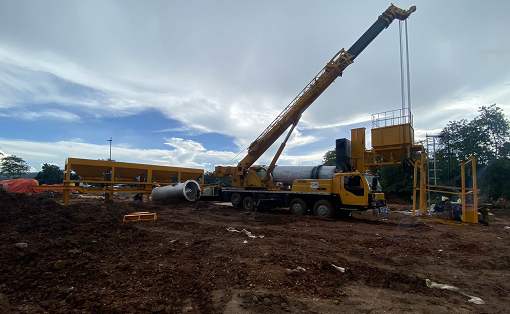
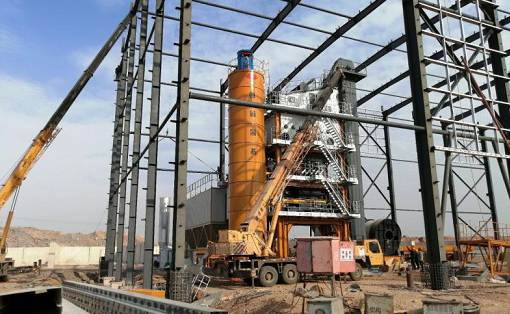
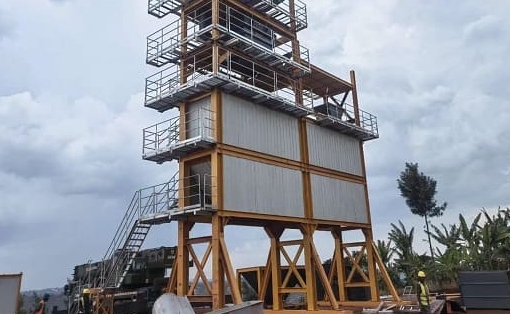
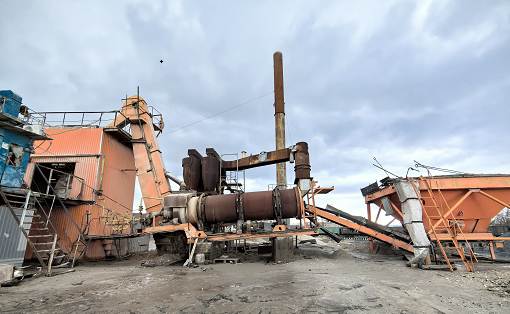
In the field of high-grade highway construction, the assembly and installation technology of large asphalt concrete mixing equipment has become increasingly mature. To further improve work efficiency, we must conduct a detailed selection and matching analysis of large mixing equipment and its auxiliary equipment, and clarify the installation and commissioning process of the asphalt plant. Improving the efficiency of the mixing plant requires optimization of the selection and matching of mature equipment and the installation process; intermittent equipment has become the mainstream due to its advantages.
02 Installation Key Points
> Foundation and Equipment Installation
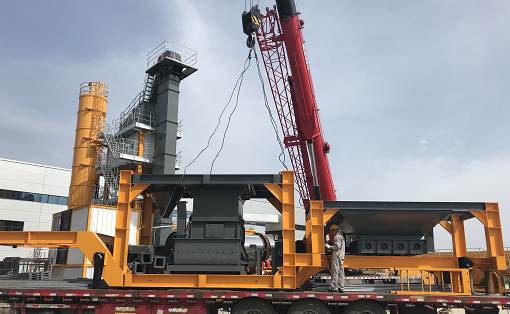
In the installation process of a large asphalt mixing plant, site selection and application technology are the primary considerations. At the same time, mastering the installation methods of the foundation and equipment is also crucial. Site selection and technology application are key during installation; comprehensive equipment commissioning and geological condition adaptation are the focus of foundation construction; and reasonable installation procedures help save costs.
When installing a large asphalt mixing plant, the first thing to focus on is the installation of the foundation and equipment. When selecting a site, ensure that the asphalt mixing plant is far away from residential areas and farmland to avoid interference. Before installation, comprehensive commissioning of the equipment is essential, including checking for scratches or wear, and lubricating the bearings according to regulations. Comprehensive equipment commissioning and geological condition adaptation are key aspects of foundation construction. Simultaneously, technicians must carefully inspect the equipment and electrical systems to ensure they are in good working order and promptly identify and eliminate potential safety hazards.
Furthermore, considering the large amount of materials involved in the mixing plant, surrounding resources must be comprehensively considered. Based on geological conditions, appropriate foundation types, such as solid foundations and soft soil foundations, must be selected. For solid foundations, appropriate treatment of the bottom layer is required after excavation, and attention must be paid to the construction procedure of the foundation concrete. For soft soil foundations, after layout and excavation, techniques such as staggered piles and vibratory retaining walls must be used to reinforce the foundation bottom.
During foundation construction, close monitoring of the pouring of the foundation for the main building and the dry aggregate section is necessary to ensure that the same horizontal plane does not exceed the standard height, thereby minimizing the risk of resonance. Through a reasonable installation procedure, equipment installation should radiate outwards from the main building on three sides, while efficiently completing the basic tasks of large cranes to achieve cost savings.
> Cable Installation With the increase in the number of mixing plants, the power consumption of the motors also increases accordingly, typically in the range of 500-1000 kW. Due to the large cross-sectional area of ??the power supply lines, cable trenches and concealed channels must be used for proper planning during installation. Cable layout must be rationally planned, emphasizing insulation and protection to avoid electromagnetic interference.
Cable surfaces must be carefully inspected to ensure there are no open circuits, and self-adhesive high-voltage tape should be used for secure connections. When controlling system circuits, signals should be shielded first, and then the layout should be carried out as required. To prevent external electromagnetic interference, the wiring must be concealed and protected, and safety warnings must be installed. This effectively ensures power supply and equipment safety.

I. What is a Synchronous Chip Seal Truck?
This engineering vehicle, resembling a Transformer, is actually a “grout sealer” for road construction. It can simultaneously complete two key processes while in motion: spraying emulsified asphalt and evenly spreading chipped aggregate. Compared to traditional step-by-step construction, efficiency is increased by approximately 40%, and the adhesion effect is more ideal. Currently, the mainstream models can be divided into two types based on chassis structure: self-propelled and towed.
II. Practical Comparison of Two Vehicle Types
Self-propelled: Self-powered, highly maneuverable, suitable for urban roads and small-scale projects; turning radius is typically within 8 meters.
Trailer-mounted: Requires a tractor unit, but has a larger loading capacity; the crushed stone bin can reach 15 cubic meters, designed specifically for large projects such as highways.
Hybrid: An emerging modular design that allows for quick replacement of asphalt tanks or crushed stone bins according to project needs.
III. The New Trend of Intelligentization
Modern vehicles are transforming into ‘thinking’ construction robots:
Laser ranging systems automatically adjust spray volume
BeiDou positioning achieves centimeter-level path tracking
Touchscreen control replaces traditional mechanical joysticks
Real-time cloud-based analysis of construction data
These upgrades reduce material waste per square meter by approximately 12%, while improving construction accuracy by 30%.

As -20°C temperatures blanket northern China, an innovative practice integrating green materials and digital sensing is quietly reshaping highway maintenance in these areas. Industrial solid waste is being transformed into cold-resistant “smart patches,” which, combined with microchips embedded in the road surface, not only allow winter repairs to proceed smoothly but also mark a crucial step towards green and intelligent transportation infrastructure maintenance. This is not only a technological breakthrough but also a vivid illustration of the transformation of development methods.
It is understood that the core material used in this test is an environmentally friendly asphalt that “grows on solid waste.” Industrial solid waste such as fly ash and coal gangue account for 60%-65% of its raw materials. Through independently developed modification technology, it enables normal construction even in temperatures as low as -20°C.
“Traditional hot-mix asphalt requires temperatures of 130℃ to 160℃, while ordinary cold-mix asphalt basically stops working below 0℃. This new material breaks free from these temperature constraints,” explained on-site technicians. This not only solves the problem of road repair in cold regions during winter but also significantly reduces raw material costs—by 15%-20% compared to traditional materials, labor and energy costs are reduced by over 20%, and overall maintenance costs are reduced by approximately 20%-25%.
The repaired road surface can be opened to traffic 1-2 hours after compaction, reaches its design strength within 24 hours, and has a durability period of 3-5 years, three times that of ordinary cold-mix asphalt. This means that road “wounds” heal faster and more firmly, making repeated repairs a thing of the past.

I. Where Do Losses in Asphalt Production Come From? Asphalt production is like baking a cake; improper temperature control leads to wasted raw materials. During crude oil distillation, the volatilization of light components causes a 3-5% loss; in high-temperature oxidation processes, excessive reaction hardens the asphalt, resulting in a loss of approximately 2%. Adhesion residues during transportation are also significant—each tanker truck leaves an average of 0.8% asphalt behind.
II. The Hidden Secrets of Concrete Mixture Losses When asphalt meets aggregate, the loss story becomes even more intriguing: Aggregate Moisture Content: Wet aggregate needs to be dried, resulting in an additional 1.5% asphalt loss per ton. Uneven Mixing: Localized overheating can lead to 0.3% asphalt aging and failure. Transportation Bumps: 0.2% of the mixture will fall off every 10 kilometers the finished material truck travels.
III. Three Key Strategies for Controlling Losses
Precise Temperature Control: Segmented heating avoids localized overheating and carbonization of the asphalt.
Aggregate Pretreatment: Installing a vibrating screen removes excessively large particles, reducing mixing resistance.
Pipeline Insulation Design: Encasing the delivery pipeline with an insulation layer reduces adhesion by 40%.
Sinoroader offers thoughtful and practical functions, from parameter comparison to price analysis, helping you save time and effort. Dear business owners, log in to AiBuy now and discover a new purchasing experience!

I. Essential Attributes from a Functional Perspective
Asphalt distributor trucks are typical special-purpose engineering vehicles, their core function being the precise spraying of high-temperature asphalt. Equipped with specialized equipment such as asphalt tanks, heating systems, and spraying devices, they are designed specifically for road construction scenarios. This deep customization for a single operational scenario fundamentally differs from the multi-purpose transportation positioning of ordinary trucks.
II. Usage Scenarios Determine Classification
These vehicles only appear in specific situations: construction sites for new road paving, old road renovation, etc. Their working mode is fixed-point operation rather than long-distance transportation, with an average speed typically not exceeding 20 kilometers per hour. This limited usage scenario contrasts sharply with the cross-regional mobility of trucks, better aligning with the definition logic of a special-purpose vehicle.
III. Special Structural Design
Observing their physical characteristics reveals clues: the complete isolation between the cab and the work area ensures construction safety; the hydraulic control system achieves spraying precision; some models also have a stone chip spreading function. These designs optimized for a single operation make their overall structural complexity far exceed that of ordinary trucks, further confirming their special-purpose vehicle attributes.
From parameter comparison to price analysis, AiCaiGou offers thoughtful and practical features to save you time and effort. Business owners, log in to AiCaiGou now and discover a new purchasing experience!

I. Causes of Asphalt Pump Oil Pump Not Drawing Oil
The following are possible causes of an asphalt pump oil pump not drawing oil:
1. Pump Malfunction: Damaged gears, poor sealing, worn bearings, or loose drive gears can all cause the pump to stop operating or operate poorly.
2. Oil Circuit Blockage: Blockage in the oil circuit obstructs oil flow, preventing smooth entry and exit from the pump, resulting in the pump not operating or operating poorly.
3. Air Leakage at the Pump Inlet: Air leakage at the asphalt pump inlet can also cause the pump to not draw oil. Causes of inlet air leakage may include aging seals, worn sealing surfaces, or misaligned sealing surfaces.
II. Solutions for Asphalt Pump Oil Pump Not Drawing Oil
To address the above problems, we can take the following steps:
1. Check the Pump: Inspect the pump gears, bearings, seals, and other components to ensure they are functioning properly. Check that the drive gears are properly engaged with the bearings.
2. Clean the Oil Circuit: Clean the oil circuit, including the pump inlet, outlet, air inlet, and oil tank, to ensure the oil circuit is unobstructed. 3. Repair or replace faulty components: Depending on the specific situation, repair or replace faulty components such as oil pump gears, seals, and reinforce bearing supports.
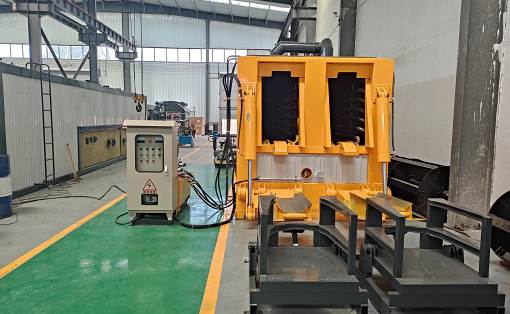
In general, there can be various reasons why an asphalt pump might not produce oil, requiring specific analysis based on the specific circumstances to find an effective solution. When using an asphalt pump, regular inspection and maintenance are necessary to ensure the equipment functions properly and improve work efficiency and quality.

More