Home » Products » Asphalt Mixing Plant » Function of emulsion bitumen equipment

Function of emulsion bitumen equipment

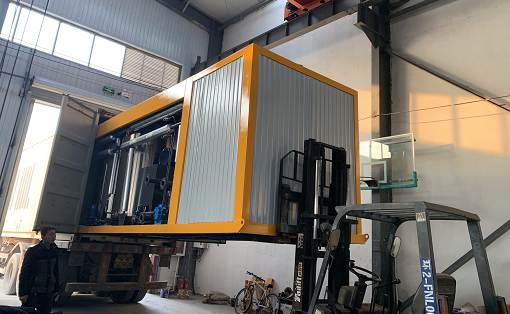
Emulsion bitumen equipment has stable product quality, closed material transmission, high degree of automation and civilized production, and is easy to standardize management. The double-mill configuration can be used to produce modified emulsified asphalt.
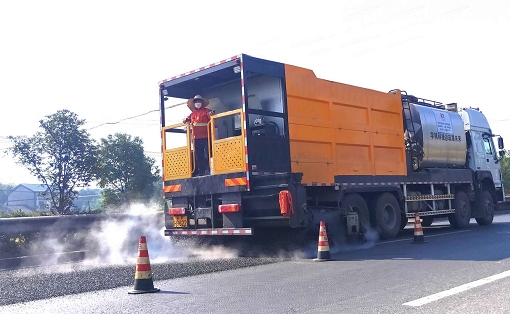
At present, emulsified asphalt equipment is widely used in new technologies and processes for preventive maintenance, such as fog seal, slurry seal, micro-surfacing, cold regeneration, crushed stone seal, cold mix and cold patch materials.
Emulsion bitumen equipment is an emulsion at room temperature formed by dispersing asphalt into the water phase. It is a new material for the use of elements. Compared with traditional hot asphalt, it saves more than 50% of energy and 10%-20% of asphalt, and has little pollution. The biggest feature of emulsified asphalt is that it can be stored at room temperature. It does not need to be heated during spraying and mixing, nor does it need to heat the stone. Therefore, it greatly simplifies the construction, avoids burns and scalds caused by hot asphalt, and avoids the fumigation of asphalt steam when paving high-temperature mixtures. It is very popular among road maintenance workers.
Rated 4.8/5 based on 398 customer reviews
Share:
Content

Emulsion bitumen equipment has stable product quality, closed material transmission, high degree of automation and civilized production, and is easy to standardize management. The double-mill configuration can be used to produce modified emulsified asphalt.
At present, emulsified asphalt equipment is widely used in new technologies and processes for preventive maintenance, such as fog seal, slurry seal, micro-surfacing, cold regeneration, crushed stone seal, cold mix and cold patch materials.
Emulsion bitumen equipment is an emulsion at room temperature formed by dispersing asphalt into the water phase. It is a new material for the use of elements. Compared with traditional hot asphalt, it saves more than 50% of energy and 10%-20% of asphalt, and has little pollution. The biggest feature of emulsified asphalt is that it can be stored at room temperature. It does not need to be heated during spraying and mixing, nor does it need to heat the stone. Therefore, it greatly simplifies the construction, avoids burns and scalds caused by hot asphalt, and avoids the fumigation of asphalt steam when paving high-temperature mixtures. It is very popular among road maintenance workers.

Inquiry


    More Asphalt Processing

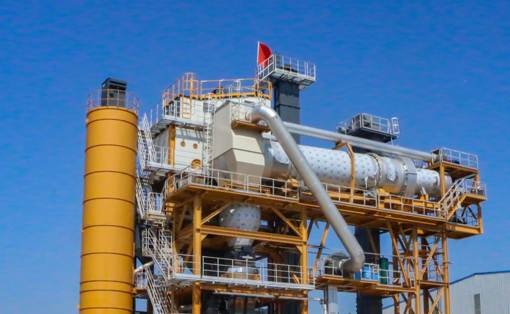
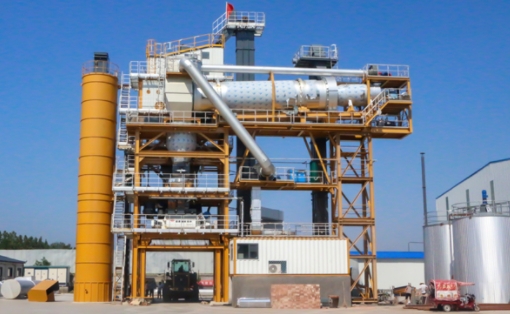
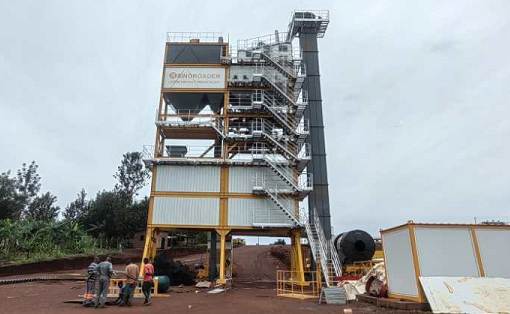
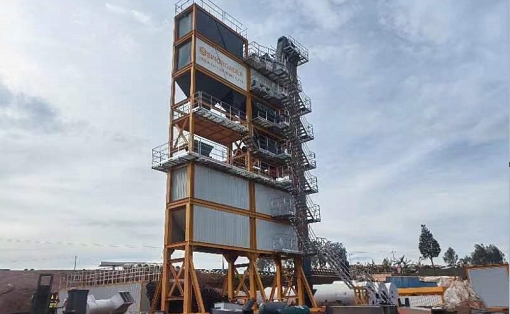
    The asphalt mixing equipment mentioned here may also refer to an asphalt concrete mixing plant. At present, asphalt mixing equipment generally uses a complete set of equipment for mixing. So what are the benefits of using a complete set of equipment?
    1. More effective.
    In today’s industrial production, a complete set of asphalt mixing equipment can help improve production efficiency and ensure product quality. This is why even in a mixing plant, the equipment used is a complete set of equipment.
    2. Ensure quality.
    When mixing asphalt, a certain ratio is set. For this type of asphalt liquid used in different occasions, its ratio control has strict requirements. It is necessary to determine its mixing method and mixing time to ensure that the asphalt liquid is consistent with the production site. One of the advantages of a mixing plant is that the quality can be effectively controlled.
    3. It can be sampled.
    After mixing at the mixing plant, the quality inspector can sample and inspect to ensure that the mixed asphalt liquid meets the use requirements.
    In short, asphalt mixing equipment will use a complete set of equipment, mainly to facilitate the later asphalt to meet production needs. Through the mixing plant, the mixing time and feeding sequence can be better controlled, so that the mixed product can meet different use requirements. And after using the archiving equipment, effective spot checks can be carried out, which can better ensure that the quality meets the construction requirements.

    The asphalt mixing equipment mentioned here may also refer to an asphalt concrete mixing station. At present, asphalt mixing equipment generally uses a complete set of equipment for mixing. So what are the benefits of using a complete set of equipment?
    1. More effective.
    In today’s industrial production, a complete set of asphalt mixing equipment can help improve production efficiency and ensure product quality. This is why even in a mixing station, the equipment used is a complete set of equipment.
    2. Ensure quality.
    When mixing asphalt, a certain ratio is set. For this type of asphalt liquid used in different occasions, its ratio control has strict requirements. It is necessary to determine its mixing method and mixing time to ensure that the asphalt liquid is consistent with the production site. One of the advantages of a mixing station is that the quality can be effectively controlled.
    3. It can be sampled.
    After mixing at the mixing station, the quality inspector can sample and inspect to ensure that the mixed asphalt liquid meets the use requirements.
    In short, asphalt mixing equipment will use a complete set of equipment, mainly to facilitate the later asphalt to meet production needs. Through the mixing station, the mixing time and feeding sequence can be better controlled, so that the mixed product can meet different use requirements. And after using the archiving equipment, effective spot checks can be carried out, which can better ensure that the quality meets the construction requirements.

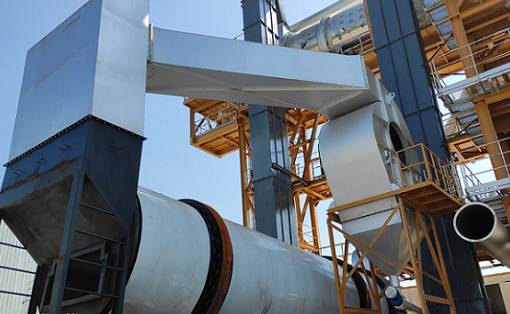
    The drying cylinder is a cylindrical device in asphalt concrete mixing equipment specifically designed for heating and drying aggregates. Proper use and maintenance of the drying cylinder can maximize its performance, extend its service life, and reduce operating costs. Below are the specific operating methods.
    1. Emphasize Routine Inspections
    The asphalt mixing equipment drying cylinder has been tested and inspected before leaving the factory, but it will be subjected to bumps and vibrations during transportation to the construction site. A comprehensive inspection should be performed before use: check if the bolts are tightened; if the key pins are reliably driven in; if the drive unit is adjusted according to the manufacturer’s instructions; if the pipe connections are correct and the pipe joints are safe and reliable; if the entire machine is thoroughly lubricated; start the motor and check if the machine parts can rotate smoothly in the correct direction; if the pressure gauge is working properly and the safety valve is adjusted to the correct pressure; if the burner ignition mechanism is working properly and the valves are open.
    2. Correct Operating Methods
    After starting the machine, it is recommended to operate the equipment manually at the beginning. After reaching the specified production capacity and unloading temperature, then switch to automatic control mode. Aggregates should be dried and have a consistent moisture content to maintain a constant temperature as they flow through the drying drum. If the aggregates supplied to the drying drum change frequently, and the moisture content of each batch varies, the burners should be adjusted regularly to compensate for these variations.
    Aggregates directly from crushed stone have an almost constant moisture content, while aggregates from open stockpiles have a higher moisture content, and the moisture content varies greatly between different stockpiles. Therefore, it is best to source aggregates from the same source.

    The main principle of asphalt hot recycling technology is to process and recycle the aged and damaged materials of the asphalt pavement to be repaired. In this process, the old material is transformed into new material, thus achieving the repair of asphalt pavement materials. The advantage of this technology is that it enables the recycling of existing materials.
    With the rapid development of my country’s highway industry, the proportion of asphalt concrete pavement is increasing. In recent years, the development of the transportation industry has led to a significant increase in large, overloaded, and overweight vehicles. Asphalt concrete pavements in most parts of my country have developed numerous road defects such as cracks, ruts, loosening, subsidence, and potholes, increasing the difficulty of highway maintenance and raising maintenance costs year by year, while also compromising pedestrian safety. To reduce costs and minimize environmental pollution from used asphalt, the widespread adoption of asphalt hot recycling technology will yield significant economic benefits in preventing pollution, protecting the environment, reducing stone mining, and saving money.
    In recent years, the continuous development of road engineering in my country and the increase in transportation volume have accelerated the aging and damage of roads. Therefore, to ensure the necessity of people’s travel and production transportation, we must address these road problems in a timely manner. Simply replacing the road surface is detrimental to energy conservation. Therefore, with the joint efforts of relevant departments, we have explored a new method for repairing old asphalt pavements: hot asphalt recycling technology. The main working principle of hot asphalt recycling is to utilize existing asphalt materials available on the road, fill and modify them according to their intended use, and then combine these two materials to complete the reconstruction of the old pavement’s asphalt structure.
    The advantage of hot asphalt recycling technology is that it achieves environmental protection and resource conservation during the reconstruction process. This is also an important manifestation of meeting the requirements of today’s road industry development.

    In our daily lives and work, many equipment malfunctions not due to inherent quality issues, but rather due to improper use or lack of proper maintenance. Maintenance is a crucial aspect often overlooked. Sometimes, proper maintenance can at least double the lifespan of equipment. Below, we introduce some maintenance techniques for asphalt mixing plants, hoping to be helpful to our workers!
    1. Promptly Clean Up Residue and Waste After Operation
    Often, after using an asphalt mixing plant, workers simply turn off the power and turn it back on for the next use. This practice poses a significant risk: residue and waste will accumulate inside after operation, eventually damaging the equipment.
    2. Pay Attention to Lubrication of Tracks and Rolling Shafts
    Sometimes, asphalt mixing plants will make a “creaking” sound during operation. This indicates that the tracks and rolling shafts need lubrication. Regularly add lubricant to ensure smoother operation.
    3. Regularly Replace Wear-Prone Parts
    All industrial equipment has wear-prone parts. Regular replacement is essential to prevent damage to the entire system. Workers can easily check these parts while cleaning up residue; it’s a quick and convenient process that extends the lifespan of the asphalt mixing plant.
    These may seem like small things, but they are crucial for asphalt mixing plants. Treat the equipment like you would your own child to ensure it operates smoothly and efficiently.
    For asphalt mixing plants, asphalt mixing equipment, asphalt hot recycling, stabilized soil mixing plants, and asphalt mixing stations, choose Sinoroader.

    The renovation of the combustion-supporting system of the asphalt mixing plant and the use of DC frequency conversion CNC machining technology are all renovations of the original system. In addition to the above renovation plans, with the existing equipment and personnel, what other measures can be taken in the application to reduce the operating costs of concrete mixing plants?
    At present, China has no mandatory national industry standards for heavy residual oil, and the quality of fuel oil varies greatly. Even from the same dealer, the quality difference between batches is very large, and it contains more residues. Therefore, bridge inspection equipment should be installed on the construction site, and professional personnel should inspect various performance parameters of gasoline and diesel to strictly control quality.
    When the burner is working, if the flame of the combustion aid is red and the smoke from the ash removal chimney is black, this is the manifestation of poor atomization of gasoline and diesel and insufficient combustion aid. At this time, the following measures should be taken to deal with it: properly adjust the distance between the nozzle and the vortex plate, generally push it inward to a suitable distance, the purpose is to prevent the atomized oil cone sprayed from the nozzle from spraying into the vortex plate; effectively adjust the ratio of gasoline and diesel to gas, so that the gasoline and diesel increase the mass conversion law slowly, or the gas increase the mass conversion law quickly; promptly remove the carbon deposits and coke around the nozzle to prevent the flame from deflecting; heavy residual oil contains more residues, which can easily cause serious damage to the high-pressure oil pump and increase the working pressure, affecting the actual effect of atomization and the shape of the flame, so the high-pressure oil pump must be repaired or replaced in time; install metal filter devices in front of the first and second high-pressure oil pumps, and clean them frequently to prevent the residues in the gasoline and diesel from blocking the nozzle.
    The operators should be trained in professional skills on a regular basis to strengthen their job responsibilities and moral education, so that they can establish their respective job responsibilities, understand the importance of their positions, understand the content of their work, and improve their professional level. Skilled operators can properly control the temperature of the asphalt mixing plant mixture to avoid gasoline and diesel waste.
    In order to improve the combustion-supporting effect and effectively reduce the operating costs of asphalt mixing stations, Sinoroader Group kindly reminds that the following issues should be noted when using the burner in the asphalt mixing station: To improve the maintenance of the burner, the burner nozzle should be cleaned of charred materials and carbon deposits on the ignition electrode regularly. The nozzle can be disassembled according to the atomization status; the air-oil ratio of the burner is generally not adjusted, and the fuel pump pressure can be adjusted according to the smoke status and the temperature of the asphalt mixture; the sulfur dioxide generated by the combustion of light fuel oil has a strong corrosion to the bag, so the bag should be maintained regularly and the air pressure changes in the bag should be paid close attention to; water deashing will produce more foam, causing the sand settling tank to flow out, so the sand settling tank should be cleaned in time, and a watering design should be carried out to settle the foam; when the steam pressure decreases or the gear oil pump noise increases, the gear oil pump must be replaced.
    When the burner is started, the fuel oil circulation system should be completed through the valve, and then the burner control box should be opened to start the burner. If the electronic ignition of the fuel oil fails, you can change the inlet tee and use the diesel engine for ignition. After the ignition is successful for 2 minutes, you can convert it into fuel oil. In this way, even the light fuel oil of lower quality can ensure combustion.

    The actual operation steps of drying drum of asphalt mixing equipment: 1. Pay attention to routine inspection; 2. Proper operation steps; 3. Effective maintenance.
    Drying drum is a cylindrical device specially used for heating and drying stones in asphalt mixing equipment. Proper application and maintenance of drying drum can maximize the performance of drying drum, increase its service life and reduce application cost. Let’s take a look at the actual operation steps below.
    1. Pay attention to routine inspections
    The asphalt mixing equipment drying drum has been tested and inspected before leaving the factory, but it will be subjected to vibration and vibration during transportation to the construction site. A comprehensive inspection should be carried out before use: check whether all anchor bolts are tightened; whether all key pins are properly driven; whether all drive devices are adjusted according to the manufacturer’s instructions; whether all pipe connections are appropriate and whether the three-way joints are reliable; whether the entire equipment is fully lubricated; start the motor and check whether all parts can rotate steadily in the correct rotation direction; whether the pressure gauge can work normally and whether the valve is adjusted to the correct working pressure; whether the burner ignition mechanism is available and whether the gate valve is open.
    2. Correct operation steps
    After the equipment is started, it is recommended to control the machine manually at the beginning, and then switch to the automatic control mode after achieving the required production volume and pouring temperature. The stone should be dried and have a stable moisture content as much as possible so that the stone can maintain a stable final temperature when passing through the drying drum. If the stones delivered to the drying drum change frequently and the moisture content changes each time, the burner should be adjusted frequently to compensate for these changes.
    The stones directly from the crushed stone have a relatively constant moisture content, while the stones from the outdoor storage yard have a higher moisture content, and the moisture content of different piles varies greatly. Therefore, it is best for the stones to come from the same source.

    1. Environmental Requirements
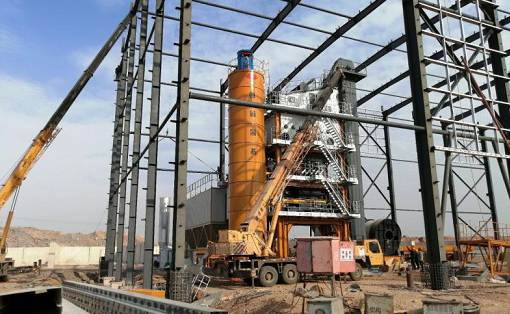
    Asphalt mixing plant construction must consider environmental factors to minimize environmental pollution. According to relevant laws and regulations, asphalt mixing plants must undergo site selection assessments to avoid construction in sensitive areas such as residential areas and water source protection zones. Furthermore, asphalt mixing plants must implement effective environmental protection measures, such as installing dust removal equipment and recycling and treating exhaust gases, to minimize environmental impact.
    2. Technical Requirements
    Asphalt mixing plant construction must strictly adhere to relevant national technical standards and specifications. These primarily cover production capacity, raw material selection, equipment requirements, and process flow. Construction companies must select and install equipment in accordance with national standards to ensure the production capacity and quality of the asphalt mixing plant.
    3. Safety Requirements
    Asphalt mixing plant construction requires safety considerations to ensure safe operation. Construction companies must implement scientific designs based on process flow and equipment requirements to minimize the possibility of accidents. Professional maintenance engineers must be deployed during operation to ensure safe equipment operation. Construction companies must also conduct necessary safety training to enhance employee safety awareness. IV. Asphalt Mixing Plant Operation and Maintenance
    Asphalt mixing plant operations must strictly adhere to relevant national standards and regulations to ensure production quality and safety. Furthermore, a professional maintenance team is required to regularly inspect and maintain the equipment to ensure proper operation. Damaged or malfunctioning equipment must be promptly repaired or replaced to avoid disrupting production.
    [Conclusion]
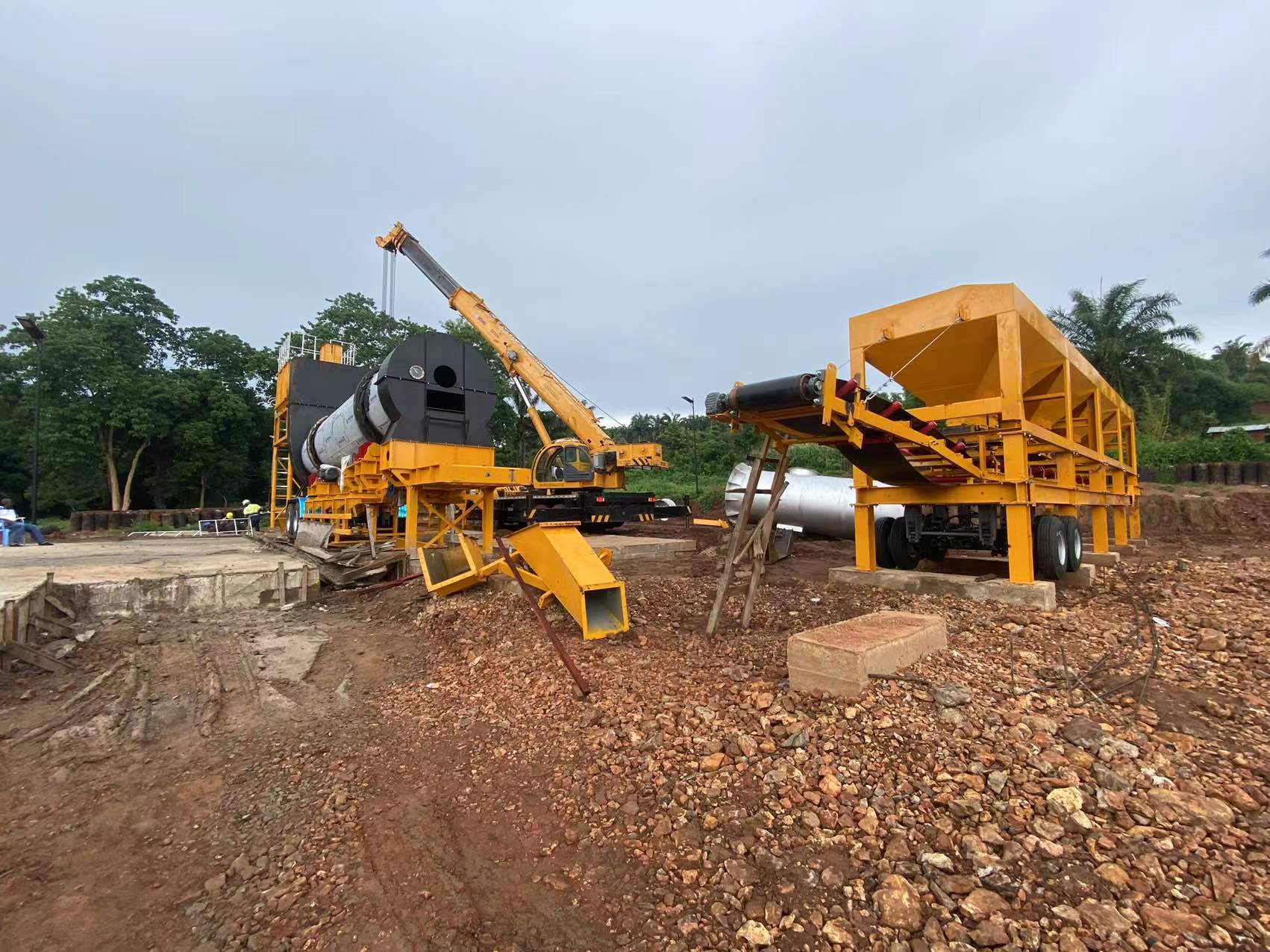
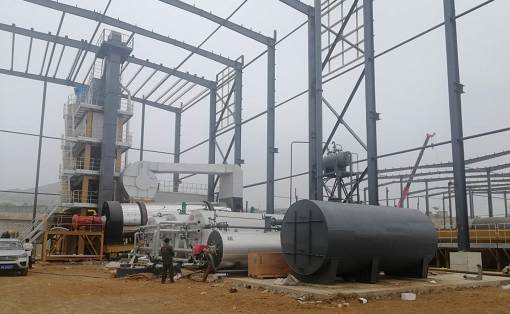
    Asphalt mixing plants, as crucial supporting equipment for construction sites, have extremely high construction requirements and standards. Environmental, technical, and safety considerations must be taken into account during construction to ensure the plant’s production capacity and quality. Furthermore, the operation and maintenance of asphalt mixing plants must adhere to national standards and regulations to ensure proper equipment operation and production quality.