Home » Products » Asphalt Mixing Plant » Application and maintenance of drying drum of asphalt mixing equipment

Application and maintenance of drying drum of asphalt mixing equipment

The actual operation steps of drying drum of asphalt mixing equipment: 1. Pay attention to routine inspection; 2. Proper operation steps; 3. Effective maintenance.
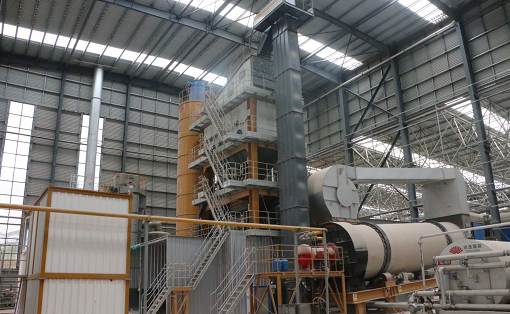
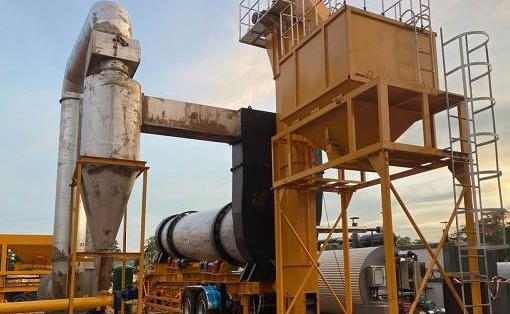
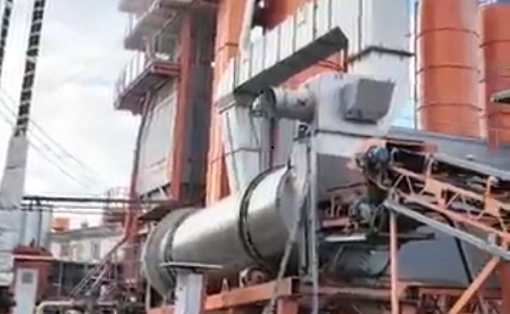
Drying drum is a cylindrical device specially used for heating and drying stones in asphalt mixing equipment. Proper application and maintenance of drying drum can maximize the performance of drying drum, increase its service life and reduce application cost. Let’s take a look at the actual operation steps below.
1. Pay attention to routine inspections
The asphalt mixing equipment drying drum has been tested and inspected before leaving the factory, but it will be subjected to vibration and vibration during transportation to the construction site. A comprehensive inspection should be carried out before use: check whether all anchor bolts are tightened; whether all key pins are properly driven; whether all drive devices are adjusted according to the manufacturer’s instructions; whether all pipe connections are appropriate and whether the three-way joints are reliable; whether the entire equipment is fully lubricated; start the motor and check whether all parts can rotate steadily in the correct rotation direction; whether the pressure gauge can work normally and whether the valve is adjusted to the correct working pressure; whether the burner ignition mechanism is available and whether the gate valve is open.
2. Correct operation steps
After the equipment is started, it is recommended to control the machine manually at the beginning, and then switch to the automatic control mode after achieving the required production volume and pouring temperature. The stone should be dried and have a stable moisture content as much as possible so that the stone can maintain a stable final temperature when passing through the drying drum. If the stones delivered to the drying drum change frequently and the moisture content changes each time, the burner should be adjusted frequently to compensate for these changes.
The stones directly from the crushed stone have a relatively constant moisture content, while the stones from the outdoor storage yard have a higher moisture content, and the moisture content of different piles varies greatly. Therefore, it is best for the stones to come from the same source.

Rated 4.9/5 based on 250 customer reviews
Share:
Content

The actual operation steps of drying drum of asphalt mixing equipment: 1. Pay attention to routine inspection; 2. Proper operation steps; 3. Effective maintenance.
Drying drum is a cylindrical device specially used for heating and drying stones in asphalt mixing equipment. Proper application and maintenance of drying drum can maximize the performance of drying drum, increase its service life and reduce application cost. Let’s take a look at the actual operation steps below.
1. Pay attention to routine inspections
The asphalt mixing equipment drying drum has been tested and inspected before leaving the factory, but it will be subjected to vibration and vibration during transportation to the construction site. A comprehensive inspection should be carried out before use: check whether all anchor bolts are tightened; whether all key pins are properly driven; whether all drive devices are adjusted according to the manufacturer’s instructions; whether all pipe connections are appropriate and whether the three-way joints are reliable; whether the entire equipment is fully lubricated; start the motor and check whether all parts can rotate steadily in the correct rotation direction; whether the pressure gauge can work normally and whether the valve is adjusted to the correct working pressure; whether the burner ignition mechanism is available and whether the gate valve is open.
2. Correct operation steps
After the equipment is started, it is recommended to control the machine manually at the beginning, and then switch to the automatic control mode after achieving the required production volume and pouring temperature. The stone should be dried and have a stable moisture content as much as possible so that the stone can maintain a stable final temperature when passing through the drying drum. If the stones delivered to the drying drum change frequently and the moisture content changes each time, the burner should be adjusted frequently to compensate for these changes.
The stones directly from the crushed stone have a relatively constant moisture content, while the stones from the outdoor storage yard have a higher moisture content, and the moisture content of different piles varies greatly. Therefore, it is best for the stones to come from the same source.
3. Effective maintenance
(1) When the asphalt mixing equipment is not in operation, the stones must not stay in the drying drum. At the end of each working day, the equipment should be operated to unload the stones in the drying drum. After the stones in the drum are unloaded, the burner should be turned off and allowed to run at high speed for about 30 minutes to cool down, so as to minimize its deformation or the impact on the parallel operation of the equipment.
(2) The support rings of the drying drum should be evenly located on all support rollers. The bearings should be adjusted when they are damaged or misaligned.
(3) Check the alignment of the drum frequently. First loosen the thrust roller and check how far it can move within the length of the slot on the support bracket. Then start the drying drum. If it moves back and forth, check whether all the support rollers are adjusted straight. If the support rollers are adjusted straight and the drum section slowly approaches the feeding end, the thrust rollers are temporarily moved forward and backward (so that the drying drum is at the correct working angle) until the correct adjustment is achieved. If the drum section slowly approaches the discharge end, adjust the thrust rollers in the opposite direction.
(4) If the roller track only touches one of the two thrust rollers, fill the gap under the support roller rubber bearing until they can be evenly loaded over the entire support ring surface width.
(5) The thrust rollers are required to maintain the position of the drum section, but they must not be used to compensate for misalignment.
(6) If equipped with a chain drive, a small amount of lubricant is required. The way to adjust the tension of the transmission chain is to use the adjustment extruder screw on the rubber support to adjust.
Sinoroader Group’s main products: asphalt mixing plants, asphalt mixing equipment, asphalt mixing plants, asphalt mixers and other road construction machinery mixing equipment
Inquiry


    More Asphalt Processing

    The asphalt mixing plant is a complete set of equipment for mass production of asphalt concrete. The whole machine of the equipment consists of multiple systems, such as batching system, drying system, combustion system, powder supply system and dust prevention system. Each system is an important part of the asphalt mixing plant.
    The working condition of the combustion system of the asphalt mixing plant has a great impact on the whole system, which is related to the economic efficiency of the whole system, temperature control accuracy and flue gas emission indicators. This article will briefly introduce how to judge the working condition of the combustion system of the asphalt mixing plant.
    Generally speaking, due to the complexity of the detection equipment and methods, there are no conditions to achieve in the working process of most asphalt mixing plants. Therefore, it is more convenient to judge the working condition by a series of relatively intuitive factors such as the color, brightness and shape of the flame. This method is very simple and effective.
    When the combustion system of the asphalt mixing plant is working, when the fuel is burning normally in the drying cylinder, the user can observe the flame through the front of the cylinder. At this time, the center of the flame should be in the center of the drying cylinder, and the flame is evenly distributed around it and will not touch the cylinder wall. The flame is full. The whole outline of the flame is relatively clear, and there will be no black smoke tail.
    The abnormal working state of the combustion system includes, for example, the diameter of the flame is too large, which will cause serious carbon deposits on the furnace tube and affect the subsequent working state of the combustion system.

    Asphalt mixing plants, as key equipment for producing high-quality asphalt mixtures, play an indispensable role in civil engineering. Their advanced production processes and automated features provide stable and reliable material support for construction projects. In this article, we will explore the various functions of asphalt mixing plants to effectively support your construction projects.
    Producing High-Quality Asphalt Mixtures
    Asphalt mixing plants utilize advanced production processes and equipment to significantly improve the quality of asphalt mixtures. Through precise proportioning and consistent mixing, asphalt mixtures are strong and durable, effectively meeting the material requirements of road construction projects. Therefore, selecting a high-quality asphalt mixing plant is crucial for ensuring project quality.
    For engineering projects, pursuing high-quality materials is crucial to ensuring the sustainable development of projects. Of course, cost savings and maximizing corporate profits are also essential.
    Saving Labor and Material Costs
    Asphalt mixing plants feature automated production, utilizing computer control systems for automated operation. From raw material distribution to mixing, the entire process requires no human intervention.
    This not only reduces labor and operating costs but also significantly improves production efficiency. It’s worth noting that asphalt mixing plants utilize thermal recycling technology, effectively reusing waste asphalt mixture and reducing the need for new materials, thereby saving material costs and effectively utilizing resources.
    In the current economic downturn, reducing production costs remains a core concern for businesses. Of course, improving construction efficiency is also a benefit.
    Improving Construction Efficiency
    Asphalt mixing plants have a large production capacity that can meet the needs of diverse projects. Automated systems monitor and adjust the asphalt mixture production process in real time to maintain consistent quality. This not only speeds up construction and shortens project schedules, but also improves overall project efficiency.
    In a highly competitive market, efficient construction often seizes opportunities and wins more orders. Furthermore, among the various advantages of asphalt mixing plants, their application range is also extensive. Let’s explore them together!

    Environmental protection has become a topic of great concern in modern industrial production, especially in the construction industry, which has stricter environmental requirements. Effectively managing dust emissions from asphalt mixing plants has always been a key issue. To address this issue, bag filters for asphalt plants have emerged. Bag filters improve the dust removal efficiency of asphalt mixing plants and, to a certain extent, reduce production costs.
    One of the unique features of asphalt mixing plants is their multi-stage dust removal system.
    This system recycles dust based on particle size, effectively ensuring the utilization of raw materials.
    Recycling waste dust not only reduces production costs but also generates additional revenue for businesses.
    Thus, maximizing raw material utilization while ensuring product gradation is undoubtedly a boon.
    This approach not only reduces production costs but also helps customers better comply with environmental regulations, contributing to the sustainable development of their businesses. Furthermore, asphalt mixing plants equipped with bag filter systems can also meet environmental requirements.
    High-pressure pulse bag filters are essential equipment in asphalt mixing plant dust removal systems.
    Compared to traditional methods, high-pressure pulse bag filters remove dust more thoroughly and efficiently.
    Their efficient dust removal capabilities not only meet local government environmental protection requirements but also effectively avoid environmental complaints.
    The asphalt mixing plant’s flue is equipped with an over-temperature shutoff device and a cold air valve, effectively ensuring the safe operation of the bag filters. These devices effectively prevent damage to the bags due to high temperatures, further reducing the frequency of replacement parts and maintenance costs, saving customers significant money.

    To extend the service life of the dust collector bag in the asphalt mixing plant, maintenance can be carried out from the following aspects:
    Daily operation and maintenance
    Control operating parameters: strictly control the operating temperature, pressure and air volume of the dust collector to avoid excessively high or low temperature, excessive pressure fluctuations and air volume overload. Generally speaking, the operating temperature of the dust collector in the asphalt mixing plant should be controlled between 120℃-180℃.
    Regularly check the cleaning system: ensure the normal operation of the cleaning device, such as the pulse valve, cylinder and other components are fault-free, and the cleaning time and cycle are set reasonably. Regularly check the pressure of the pulse injection system to ensure that the injection pressure is between 0.4-0.6MPa to achieve the best cleaning effect.
    Timely deal with leakage problems: Regularly check the sealing of the dust collector, promptly discover and repair leakage points in pipes, flanges, inspection doors and other parts, and prevent dust-containing gas from short-circuiting and wearing the bags.
    Regular maintenance
    Check the appearance of the bag: Open the dust collector inspection door regularly to check whether the bag is damaged, deformed, blocked or stuck. If a small area of individual bags is found to be damaged, they can be repaired in time; if the damage is serious, new bags need to be replaced.
    Clean the surface of the bag: According to the blockage of the bag, compressed air can be used regularly for reverse blowing and cleaning, or special cleaning equipment can be used to clean the surface of the bag to remove dust.
    Replace wearing parts: Other wearing parts of the dust collector, such as the filter bag frame, venturi, etc., should also be checked and replaced regularly to ensure the overall performance of the dust collector.
    Storage and installation
    Proper storage: Unused bags should be stored in a dry and ventilated environment to avoid moisture, rain and direct sunlight to prevent aging of the bag material.
    Standard installation: When installing the bag, be careful to avoid contact between the bag and sharp objects to prevent scratches. At the same time, ensure that the bag is firmly installed and well sealed with the flower plate hole to prevent the bag from being worn or falling off due to looseness.

    An asphalt mixing plant, also known as an asphalt concrete mixing plant or asphalt concrete mixing plant, is a set of machinery designed specifically for the large-scale production of asphalt concrete. Based on their mixing method, these plants can be categorized as forced batch and continuous production. Based on their handling method, they can be further divided into fixed, semi-fixed, and mobile types.
    I. Main Application Areas of Asphalt Mixing Plants
    An asphalt mixing plant, also known as an asphalt concrete mixing plant, is a piece of machinery designed specifically for the large-scale production of asphalt concrete. It can produce asphalt mixtures, modified asphalt mixtures, and colored asphalt mixtures, and is an indispensable key piece of equipment in the construction of infrastructure such as expressways, graded highways, municipal roads, airports, and ports.
    II. Overall Structure of an Asphalt Mixing Plant
    The key equipment of an asphalt mixing plant includes a batching system, drying system, combustion system, hot material elevator, vibrating screen, hot material storage silo, weighing and mixing system, asphalt supply system, powder supply system, dust removal system, finished product silo, and control system, among other components. These components work together to ensure efficient and high-quality production of asphalt mixtures.
    III. Classification of Asphalt Mixing Plants.
    (I) Based on production capacity, asphalt mixing plants can be divided into small, medium, and large categories. Small mixing plants have a production capacity of less than 40 tons/hour, medium mixing plants have a production capacity between 40 and 400 tons/hour, and large mixing plants have a production capacity exceeding 400 tons/hour.
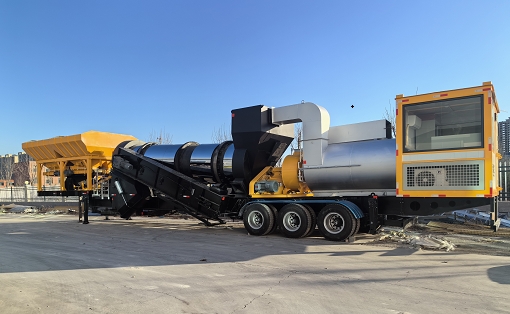
    (II) In addition, asphalt mixing plants can be divided into mobile, semi-stationary, and fixed types based on their transportation method. Mobile mixing plants have silos and mixing pots equipped with tires, making them easy to move with the construction site. They are mainly suitable for county and township roads and low-grade highway projects. Semi-stationary mixing plants have equipment mounted on trailers and assembled at the construction site. They are mostly used in highway construction. Stationary mixing plants, also known as asphalt concrete processing plants, have equipment located in a fixed location and are suitable for centralized projects and urban road construction.

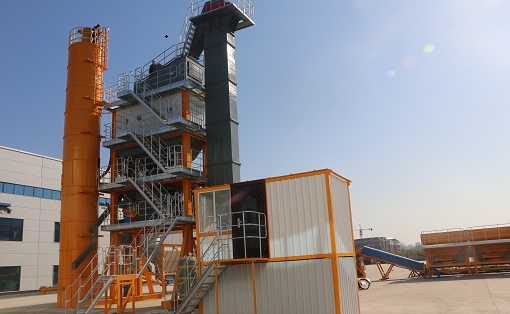
    The drying cylinder is a cylindrical device in asphalt concrete mixing equipment specifically designed for heating and drying aggregates. Proper use and maintenance of the drying cylinder can maximize its performance, extend its service life, and reduce operating costs. Below are the specific operating methods.

    1. Emphasize Routine Inspections
    The asphalt mixing equipment drying cylinder has been tested and inspected before leaving the factory, but it will be subjected to bumps and vibrations during transportation to the construction site. A comprehensive inspection should be performed before use: check if the bolts are tightened; if the key pins are reliably driven in; if the drive unit is adjusted according to the manufacturer’s instructions; if the pipe connections are correct and the pipe joints are safe and reliable; if the entire machine is thoroughly lubricated; start the motor and check if the machine parts can rotate smoothly in the correct direction; if the pressure gauge is working properly and the safety valve is adjusted to the correct pressure; if the burner ignition mechanism is working properly and the valves are open.
    2. Correct Operating Methods
    After starting the machine, it is recommended to operate the equipment manually at the beginning. After reaching the specified production capacity and unloading temperature, then switch to automatic control mode. Aggregates should be dried and have a consistent moisture content to maintain a constant temperature as they flow through the drying drum. If the aggregates supplied to the drying drum change frequently, and the moisture content of each batch varies, the burners should be adjusted regularly to compensate for these variations.
    Aggregates directly from crushed stone have an almost constant moisture content, while aggregates from open stockpiles have a higher moisture content, and the moisture content varies greatly between different stockpiles. Therefore, it is best to source aggregates from the same source.

    The drive unit is one of the important components of the asphalt mixing plant, so whether it can be reliably operated must be highly valued to avoid adverse effects on the entire asphalt mixing plant. In order to ensure that the drive unit in the asphalt mixing plant is indeed complete and reliable, the following maintenance measures are essential.
    The first thing to pay attention to is the universal rotating part of the drive unit of the asphalt mixing plant. This part has always been a fault-prone part. In order to reduce the occurrence of faults, grease should be added on time, and the wear should be checked frequently, and repaired and replaced in time. Users should also prepare the universal shaft assembly to avoid affecting the working process of the entire asphalt mixer.
    Secondly, the cleanliness of the hydraulic oil used in the asphalt mixing plant must be ensured. After all, the working environment of the equipment is relatively harsh, so it is necessary to prevent sewage and mud from entering the hydraulic system. The hydraulic oil should also be replaced regularly according to the requirements of the manual. Once water or mud is found mixed in the hydraulic oil during inspection, the hydraulic system should be stopped immediately to clean the hydraulic system and replace the hydraulic oil.
    Since there is a hydraulic system, of course, a matching cooling device is also required, which is also an important focus in the drive system of the asphalt mixing plant. To ensure that its function can be fully exerted, on the one hand, the hydraulic oil radiator should be cleaned regularly to prevent the radiator from being blocked by cement; on the other hand, the radiator electric fan should be checked to see if it is running normally to prevent the hydraulic oil temperature from exceeding the standard.
    In general, as long as the hydraulic oil of the asphalt mixing plant drive device is kept clean, there are generally few faults; but the service life varies from manufacturer to manufacturer, so pay attention to its alkalinity observation and replace it in real time.