Home » Products » Asphalt Mixing Plant » Design plan of mobile asphalt mixing equipment

Design plan of mobile asphalt mixing equipment

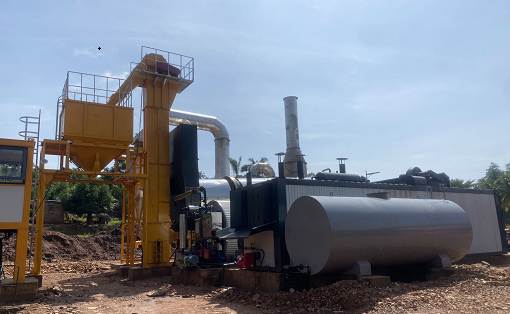
Asphalt mixing equipment is also divided into fixed and mobile types. There are still big differences between the two to a certain extent. Let’s take a look at the design of mobile asphalt mixing equipment. What advantages can bring to the equipment?

Rated 4.8/5 based on 498 customer reviews
Share:
Content

Asphalt mixing equipment is also divided into fixed and mobile types. There are still big differences between the two to a certain extent. Let’s take a look at the design of mobile asphalt mixing equipment. What advantages can bring to the equipment?
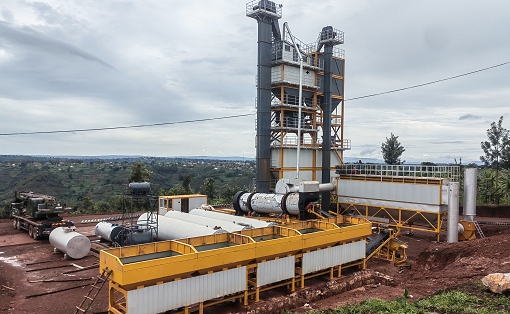
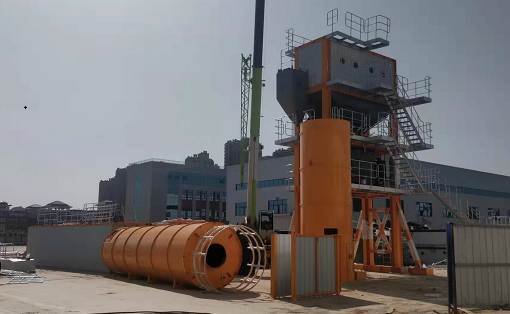
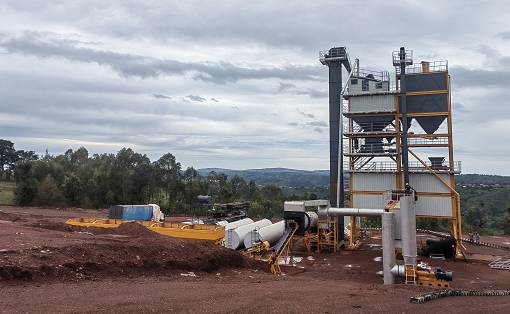
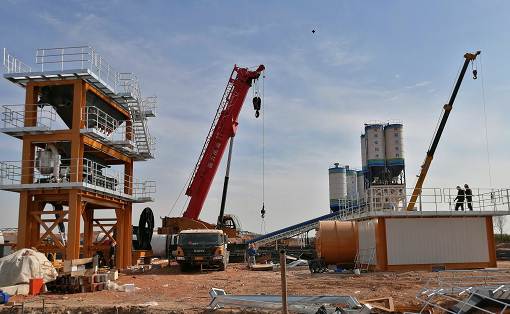
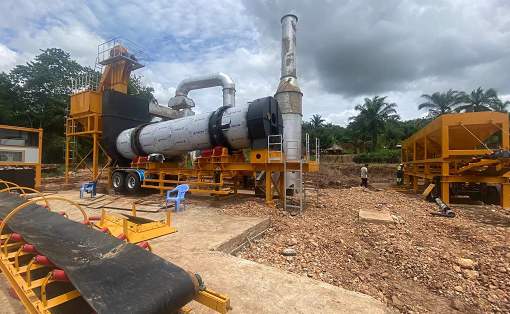
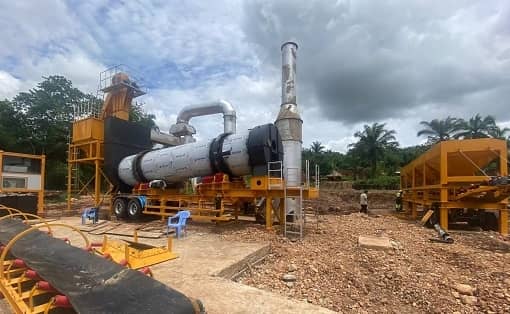
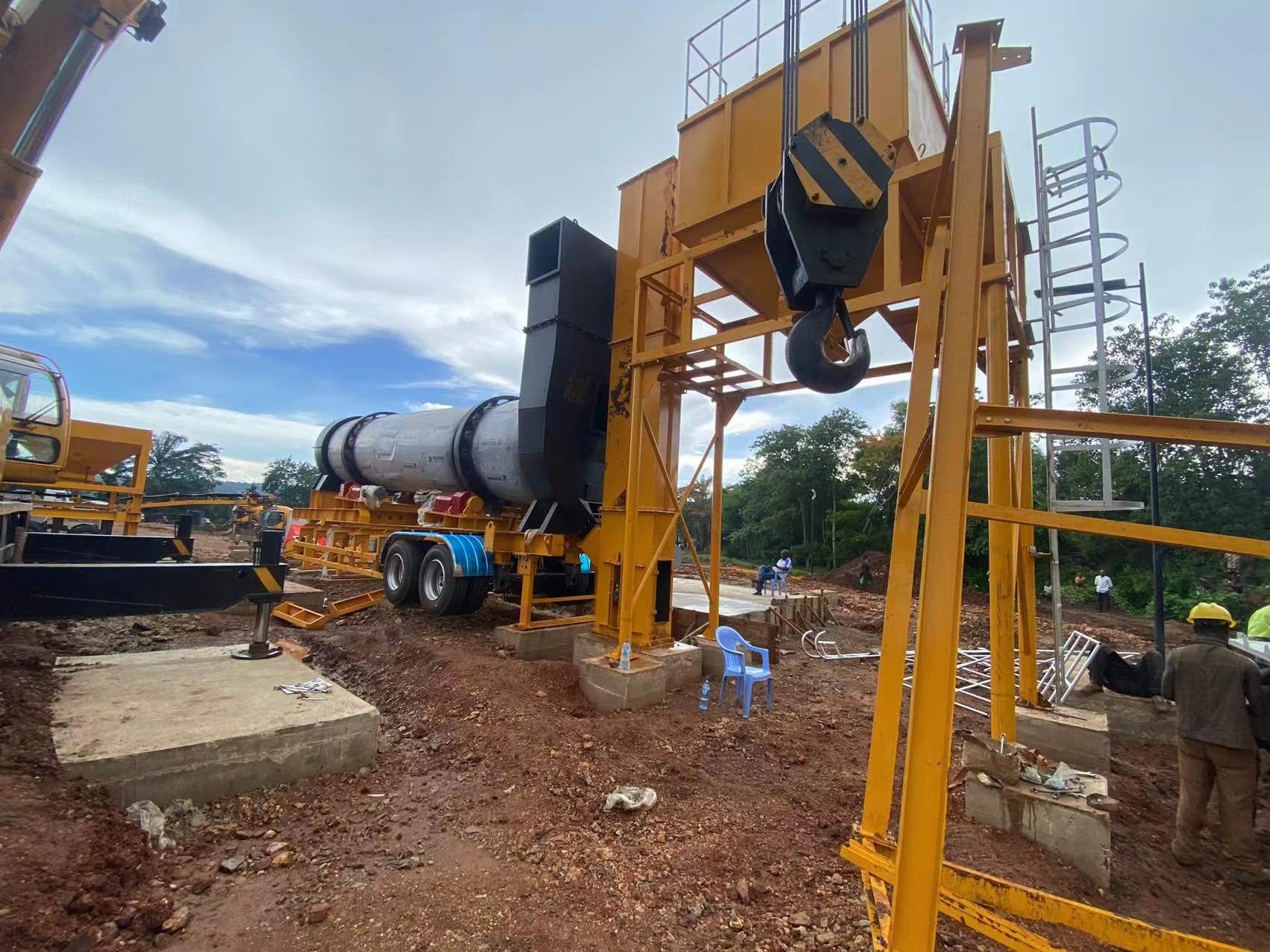
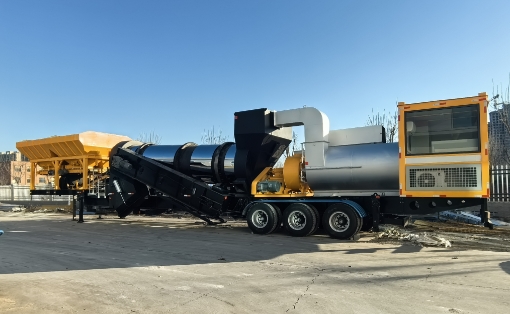
The mobile asphalt mixing equipment adopts a modular design. This method can make the transportation and safety of the equipment more convenient and faster. The attention turns to its mixing blades, which are also very unique. At the same time, it is equipped with a power-driven mixing cylinder, making the asphalt The mixing process is more efficient and reliable.
Because the vibrating screen is driven by an imported vibration motor, the production efficiency has been significantly improved, and the failure rate of the entire equipment has been reduced. In order to meet the needs of mobility, the structure of the mixer is designed to be very compact, which greatly reduces its floor space. What is worth mentioning is its dual-machine fully automatic control computer system with automatic fault diagnosis program, which is both simple and safe to operate.

Inquiry


    More Asphalt Processing

    Bitumen is a polymer mixture composed of asphaltene, colloid, aromatic hydrocarbons and saturated hydrocarbons. Asphaltene is dispersed in aromatic hydrocarbons and saturated hydrocarbons with the help of colloid to form a colloidal structure. When the asphaltene content is low, the bitumen has good adhesion, plasticity and fluidity, but poor temperature stability and elasticity
    Bitumen modification principle:
    Bitumen is a polymer mixture composed of asphaltene, colloid, aromatic hydrocarbons and saturated hydrocarbons. Asphaltene is dispersed in aromatic hydrocarbons and saturated hydrocarbons with the help of colloid to form a colloidal structure. When the asphaltene content is low, the bitumen has good adhesion, plasticity and fluidity, but poor temperature stability and elasticity. The polymer modifier is similar to the asphaltene in bitumen. Its addition, after fully swelling with bitumen, absorbs the aromatic hydrocarbons and colloid in bitumen to form a new colloid, which not only retains or increases the adhesion, plasticity and fluidity of the original bitumen, but also improves the temperature stability and elasticity of bitumen, thereby achieving the purpose of improving the road performance of bitumen.
    Bitumen modification process:
    The modifier and additive are evenly and finely dispersed into the matrix bitumen, and the contact area between the original bitumen and the modifier is increased as much as possible to ensure full swelling and development, which not only improves the utilization rate of the modifier but also makes the original bitumen performance the most perfect improvement.
    The modified bitumen complete production equipment has the following advantages:
    1. It is suitable for a variety of modifiers, such as SBS, EVA, PE, etc.;
    2. The ratio of modifier to bitumen can be set at any time according to user needs;
    3. The production volume of each cycle can be set arbitrarily within the maximum productivity;
    4. The modified bitumen has high quality, and the modifier has a small particle size and uniform distribution after emulsification;
    5. The production process is fully automatically controlled, and the production records can be queried at any time;
    6. The weighing system is accurate in measurement, and the weighing error is less than 1%;

    Mobile asphalt plants are asphalt mixture production equipment that can be quickly moved between sites. They are widely used in road, bridge, and airport construction. Their core function is to heat, dry, meter, and mix raw materials such as aggregates and asphalt into qualified asphalt mixtures.
    Common Classifications:
    By Relocation Method: Divided into mobile and semi-fixed types. Mobile plants are equipped with tires or trailer chassis and can be moved with the construction site.
    By Working Process: Divided into intermittent and continuous types. Intermittent metering is more accurate, while continuous production has higher efficiency.
    By Structural Form: Common types include mobile double-roller series, mobile forced-roller series, and finished product silo bottom-mounted series.
    Core Advantages and Application Scenarios:
    Convenient Relocation: Utilizing a modular trailer design, no complex infrastructure construction is required. Installation and dismantling time is short, making it suitable for projects requiring frequent site changes.
    Wide Applicability: Primarily used for the construction and maintenance of airport runways, ports, roads, bridges, national highways, and urban roads, especially suitable for emergency repairs or small to medium-sized projects. Environmental Performance: Modern equipment typically features multi-stage baghouse dust collection and blue smoke treatment technology, reducing dust emissions to less than 20 mg/Nm³. Some models support thermal recycling technology, allowing the addition of recycled road materials.
    Intelligent Control: Integrated PLC programmable controller and computer enable automatic and manual control. Some high-end equipment supports remote diagnostics and fault feedback.

    Judging from the situation of highways in our country, asphalt pavement is the most used, which is one of the reasons why asphalt mixing plants have developed so rapidly. Under the situation of rapid economic development, the quality problems of asphalt pavement are gradually increasing, which puts forward higher and higher requirements for the quality of asphalt. It is understood that the primary factor that affects the quality of asphalt is the ratio of raw materials. This is also covered in the introduction of asphalt mixing stations. You can discuss it together.
    In order to obtain high-quality asphalt products, in addition to the asphalt mixing equipment meeting the requirements, selecting the appropriate asphalt mixture gradation type is also a top priority. According to my country’s current regulations, the maximum particle size of the asphalt mixture in the upper layer of the highway should not exceed half of the layer thickness; while the maximum particle size of the aggregate in the middle surface layer of asphalt mixture should not exceed two-thirds of the layer thickness; and the asphalt layer should not exceed half of the layer thickness. The maximum nominal aggregate size of the pavement structural layer mixture should not exceed one-third of the layer thickness.
    Based on this analysis, if an asphalt surface layer with a certain thickness is selected according to the above specifications, the particle size of the asphalt mixture aggregates will generally be larger, which will inevitably bring insurmountable construction difficulties to the construction of asphalt concrete pavement. After investigation, testing, analysis, and comparison, it can be seen that the lower layer has a wider choice, so the AG-201 gradation type can be used; while the selection of the upper layer mixture type is more difficult, and it is necessary to achieve a reasonable choice of this mix ratio. , on the one hand, we must examine as many aggregate resources as possible, and on the other hand, we must also consider the model of the mixing equipment.
    In order to ensure the quality of the project, strict selection and inspection of engineering materials must be carried out. Therefore, the selection and determination of raw materials should be based on the requirements for pavement structure and use quality, combined with the supply of floor materials, and inspection in accordance with the requirements of relevant test procedures, and then Select the best materials so that all technical indicators of the materials meet the specified technical requirements.

    The asphalt mixing plant is a complete set of equipment for mass production of asphalt concrete. The whole machine of the equipment consists of multiple systems, such as batching system, drying system, combustion system, powder supply system and dust prevention system. Each system is an important part of the asphalt mixing plant.
    The working condition of the combustion system of the asphalt mixing plant has a great impact on the whole system, which is related to the economic efficiency of the whole system, temperature control accuracy and flue gas emission indicators. This article will briefly introduce how to judge the working condition of the combustion system of the asphalt mixing plant.
    Generally speaking, due to the complexity of the detection equipment and methods, there are no conditions to achieve in the working process of most asphalt mixing plants. Therefore, it is more convenient to judge the working condition by a series of relatively intuitive factors such as the color, brightness and shape of the flame. This method is very simple and effective.
    When the combustion system of the asphalt mixing plant is working, when the fuel is burning normally in the drying cylinder, the user can observe the flame through the front of the cylinder. At this time, the center of the flame should be in the center of the drying cylinder, and the flame is evenly distributed around it and will not touch the cylinder wall. The flame is full. The whole outline of the flame is relatively clear, and there will be no black smoke tail.
    The abnormal working state of the combustion system includes, for example, the diameter of the flame is too large, which will cause serious carbon deposits on the furnace tube and affect the subsequent working state of the combustion system.

    The mobile forced asphalt mixing equipment adopts intermittent drying cylinder, double forced mixer, the main machine can be towed, small footprint, short installation cycle, convenient operation and maintenance, good stability, high degree of automation, high degree of standardization, and high quality of finished products, and the technology of continuous improvement. The mobile forced asphalt mixing plant is suitable for high-grade road asphalt paving and maintenance.
    1. The combined structure of the drum dryer and the batching machine is installed on a movable bracket for easy movement.
    2. The asphalt mixing plant is equipped with a double horizontal shaft to boil the aggregate and ensure uniform mixing.
    3. In the densely arranged hanging barrels, the hot aggregate rises vertically. This lifting tool is easy to use and reliable.
    4. For accurate weighing of aggregates, asphalt and powder ore, a measuring scale is used, which contains a weighing sensor for electronic measurement.
    5. The movement of the power material follows a closed spiral path, which ensures little material loss and provides safe transfer.
    6. On the cyclone burner, high-pressure oil is sprayed out and quickly atomized. In the combustion chamber, the material is fed in a spiral manner and automatically ignited by the oil mist, which ensures combustion efficiency. The cylindrical barrel of the burner is separated from the burner head. The furnace cavity can be pushed in and pulled out, which is convenient for replacing the damaged side column bricks inside the burner. The entire burner has a large heat capacity and high thermal strength. This is cost-effectiveness.

    In our daily lives and work, many equipment malfunctions not due to inherent quality issues, but rather due to improper use or lack of proper maintenance. Maintenance is a crucial aspect often overlooked. Sometimes, proper maintenance can at least double the lifespan of equipment. Below, we introduce some maintenance techniques for asphalt mixing plants, hoping to be helpful to our workers!
    1. Promptly Clean Up Residue and Waste After Operation
    Often, after using an asphalt mixing plant, workers simply turn off the power and turn it back on for the next use. This practice poses a significant risk: residue and waste will accumulate inside after operation, eventually damaging the equipment.
    2. Pay Attention to Lubrication of Tracks and Rolling Shafts
    Sometimes, asphalt mixing plants will make a “creaking” sound during operation. This indicates that the tracks and rolling shafts need lubrication. Regularly add lubricant to ensure smoother operation.
    3. Regularly Replace Wear-Prone Parts
    All industrial equipment has wear-prone parts. Regular replacement is essential to prevent damage to the entire system. Workers can easily check these parts while cleaning up residue; it’s a quick and convenient process that extends the lifespan of the asphalt mixing plant.
    These may seem like small things, but they are crucial for asphalt mixing plants. Treat the equipment like you would your own child to ensure it operates smoothly and efficiently.
    For asphalt mixing plants, asphalt mixing equipment, asphalt hot recycling, stabilized soil mixing plants, and asphalt mixing stations, choose Sinoroader.

    The drive unit is one of the important components of the asphalt mixing plant, so whether it can be reliably operated must be highly valued to avoid adverse effects on the entire asphalt mixing plant. In order to ensure that the drive unit in the asphalt mixing plant is indeed complete and reliable, the following maintenance measures are essential.
    The first thing to pay attention to is the universal rotating part of the drive unit of the asphalt mixing plant. This part has always been a fault-prone part. In order to reduce the occurrence of faults, grease should be added on time, and the wear should be checked frequently, and repaired and replaced in time. Users should also prepare the universal shaft assembly to avoid affecting the working process of the entire asphalt mixer.
    Secondly, the cleanliness of the hydraulic oil used in the asphalt mixing plant must be ensured. After all, the working environment of the equipment is relatively harsh, so it is necessary to prevent sewage and mud from entering the hydraulic system. The hydraulic oil should also be replaced regularly according to the requirements of the manual. Once water or mud is found mixed in the hydraulic oil during inspection, the hydraulic system should be stopped immediately to clean the hydraulic system and replace the hydraulic oil.
    Since there is a hydraulic system, of course, a matching cooling device is also required, which is also an important focus in the drive system of the asphalt mixing plant. To ensure that its function can be fully exerted, on the one hand, the hydraulic oil radiator should be cleaned regularly to prevent the radiator from being blocked by cement; on the other hand, the radiator electric fan should be checked to see if it is running normally to prevent the hydraulic oil temperature from exceeding the standard.
    In general, as long as the hydraulic oil of the asphalt mixing plant drive device is kept clean, there are generally few faults; but the service life varies from manufacturer to manufacturer, so pay attention to its alkalinity observation and replace it in real time.

    The actual operation steps of drying drum of asphalt mixing equipment: 1. Pay attention to routine inspection; 2. Proper operation steps; 3. Effective maintenance.
    Drying drum is a cylindrical device specially used for heating and drying stones in asphalt mixing equipment. Proper application and maintenance of drying drum can maximize the performance of drying drum, increase its service life and reduce application cost. Let’s take a look at the actual operation steps below.
    1. Pay attention to routine inspections
    The asphalt mixing equipment drying drum has been tested and inspected before leaving the factory, but it will be subjected to vibration and vibration during transportation to the construction site. A comprehensive inspection should be carried out before use: check whether all anchor bolts are tightened; whether all key pins are properly driven; whether all drive devices are adjusted according to the manufacturer’s instructions; whether all pipe connections are appropriate and whether the three-way joints are reliable; whether the entire equipment is fully lubricated; start the motor and check whether all parts can rotate steadily in the correct rotation direction; whether the pressure gauge can work normally and whether the valve is adjusted to the correct working pressure; whether the burner ignition mechanism is available and whether the gate valve is open.
    2. Correct operation steps
    After the equipment is started, it is recommended to control the machine manually at the beginning, and then switch to the automatic control mode after achieving the required production volume and pouring temperature. The stone should be dried and have a stable moisture content as much as possible so that the stone can maintain a stable final temperature when passing through the drying drum. If the stones delivered to the drying drum change frequently and the moisture content changes each time, the burner should be adjusted frequently to compensate for these changes.
    The stones directly from the crushed stone have a relatively constant moisture content, while the stones from the outdoor storage yard have a higher moisture content, and the moisture content of different piles varies greatly. Therefore, it is best for the stones to come from the same source.

    In fact, don’t be misled by the name. The asphalt mixing plant we are talking about here does not necessarily refer to simple asphalt mixing, but may also refer to asphalt concrete mixing, so it is actually a mixing plant. At present, asphalt mixing plants generally use complete sets of equipment for mixing purposes. The benefits of using complete sets of equipment are as follows.
    1. Higher efficiency
    For the current industrial production, complete sets of equipment can help improve production efficiency and ensure production quality. This is why even in mixing plants, the equipment used is mainly complete sets of equipment.
    2. Ensure quality
    When mixing asphalt, a certain ratio will be set. For this type of asphalt liquid used in different occasions, its ratio control has strict requirements. Only by ensuring its mixing method and mixing time can the asphalt liquid be ensured to be used in the production site. One of the benefits of a mixing station is that the quality can be effectively controlled.
    3. Ability to perform random inspections
    After mixing at the mixing station, relevant quality inspection personnel can conduct random inspections to ensure that the mixed asphalt liquid meets the use requirements.
    In short, asphalt mixing plants use complete sets of equipment, mainly to facilitate the asphalt to meet production needs in the later stage. Using a mixing plant, it can better control the mixing time and the order of feeding, so as to ensure that the mixed products meet different usage requirements. And after using the archived equipment, effective sampling can also be carried out, which can better ensure that the quality meets the construction.

    1. Environmental Requirements
    Asphalt mixing plant construction must consider environmental factors to minimize environmental pollution. According to relevant laws and regulations, asphalt mixing plants must undergo site selection assessments to avoid construction in sensitive areas such as residential areas and water source protection zones. Furthermore, asphalt mixing plants must implement effective environmental protection measures, such as installing dust removal equipment and recycling and treating exhaust gases, to minimize environmental impact.
    2. Technical Requirements
    Asphalt mixing plant construction must strictly adhere to relevant national technical standards and specifications. These primarily cover production capacity, raw material selection, equipment requirements, and process flow. Construction companies must select and install equipment in accordance with national standards to ensure the production capacity and quality of the asphalt mixing plant.
    3. Safety Requirements
    Asphalt mixing plant construction requires safety considerations to ensure safe operation. Construction companies must implement scientific designs based on process flow and equipment requirements to minimize the possibility of accidents. Professional maintenance engineers must be deployed during operation to ensure safe equipment operation. Construction companies must also conduct necessary safety training to enhance employee safety awareness. IV. Asphalt Mixing Plant Operation and Maintenance
    Asphalt mixing plant operations must strictly adhere to relevant national standards and regulations to ensure production quality and safety. Furthermore, a professional maintenance team is required to regularly inspect and maintain the equipment to ensure proper operation. Damaged or malfunctioning equipment must be promptly repaired or replaced to avoid disrupting production.
    [Conclusion]
    Asphalt mixing plants, as crucial supporting equipment for construction sites, have extremely high construction requirements and standards. Environmental, technical, and safety considerations must be taken into account during construction to ensure the plant’s production capacity and quality. Furthermore, the operation and maintenance of asphalt mixing plants must adhere to national standards and regulations to ensure proper equipment operation and production quality.